
Why Does My Hamster Sleep All Day? Understanding Your Hamster’s Sleep Schedule
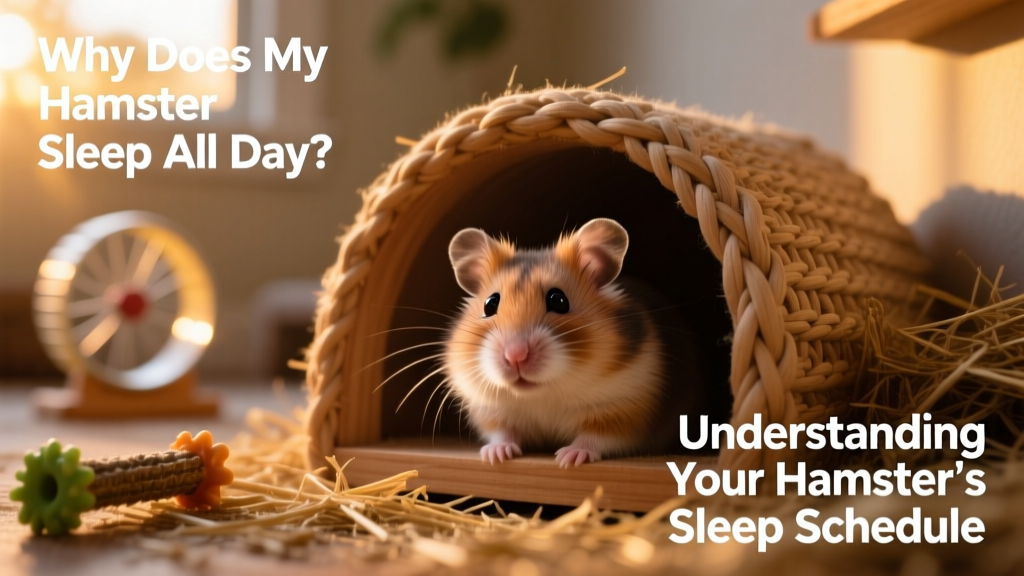
Hamsters are often described as nocturnal—but that’s not quite accurate. In reality, hamsters are crepuscular, meaning they’re most active during the twilight hours: at dusk (just after sunset) and dawn (just before sunrise). This natural rhythm evolved to help them avoid predators in the wild—staying hidden during bright daylight and venturing out when light is low but visibility is still possible.
What Is a Hamster’s Normal Sleep Schedule?
As prey animals, hamsters instinctively conserve energy and stay safe by sleeping through much of the day. In the wild, they rest during daylight hours and wake periodically to eat, drink, and explore—always favoring low-light conditions for activity. While they may stir briefly during the day, their longest, deepest rest occurs while you’re awake and moving around the home.
How Many Hours a Day Does a Hamster Sleep?
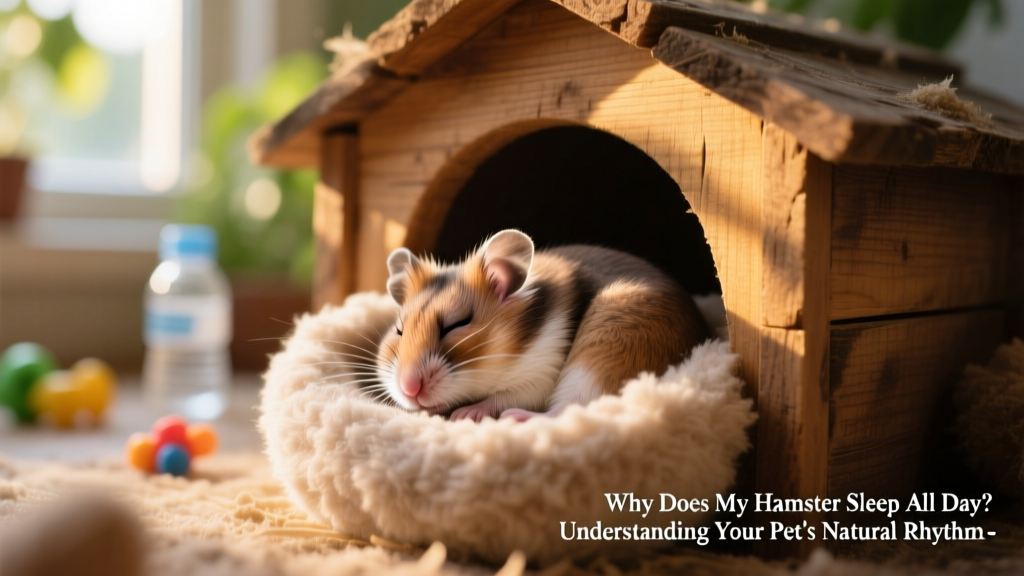
For optimal health, pet hamsters need about eight hours of sleep per day. But unlike humans, they don’t sleep all at once. Instead, they take multiple short naps—mostly during daylight hours—adding up to that daily total.
Why Do Hamsters Sleep So Much?
It may *feel* like your hamster is always sleeping—but chances are, they’re simply resting while you’re active and becoming lively just as you’re winding down. Their crepuscular nature means their peak energy aligns with times when many people are preparing for bed or just waking up.
What if My Hamster Is Sleeping More Than Usual?
If your hamster appears unusually lethargy—sleeping significantly more than eight hours per day—it could signal an underlying issue. One possibility is torpor, a hibernation-like state triggered by cold temperatures (below 50°F). However, excessive sleep can also indicate illness.
Watch for these warning signs:
- Consistently low cage temperature (keep it above 50°F)
- Reduced appetite or refusal to eat
- Changes in stool consistency (e.g., diarrhea or constipation)
- Labored breathing or nasal discharge
Sleep deprivation is equally concerning: chronic stress from disrupted rest can weaken your hamster’s immune system and increase susceptibility to disease. If you’ve ruled out environmental causes and your hamster remains excessively sleepy, consult a veterinarian promptly.

Should I Wake My Sleeping Hamster?
No—unless it’s naturally approaching dusk or dawn. Waking your hamster during deep daytime sleep (especially repeatedly) causes stress and may lead to defensive behaviors like biting. Occasional gentle interaction won’t harm them, but consistent disruption interferes with their biological rhythm and well-being.
How Do I Accommodate My Hamster’s Sleep Schedule?
Respecting your hamster’s natural cycle is key to building trust and supporting long-term health. Here’s how to adapt thoughtfully:
- Match your routine when possible: If you’re a night owl, you’ll have more opportunities for calm, positive interaction. Dwarf and Chinese hamsters occasionally stir during the day, while Syrian hamsters rarely do—so consider species temperament when choosing a pet.
- Time cage maintenance wisely: Clean the enclosure weekly—but do it in the evening, after your hamster has naturally become active. This minimizes disturbance to their rest.
- Optimize lighting and placement: Avoid artificial lights at night unless necessary; instead, mimic natural day/night cycles. Place the cage in a quiet, low-traffic area where daytime naps won’t be interrupted—and nighttime activity won’t disturb your household.
- Create a secure sleep space: Provide a fully enclosed hideout—like a ceramic cave or small wooden house—where your hamster can retreat, burrow, and feel safe. The FurPetVo Critter Space Pod Hideout offers easy cleaning and snug nesting comfort.
- Choose supportive bedding: Use absorbent, dust-free bedding such as FurPetVo Pine Shaving Small Pet Bedding to encourage natural burrowing and nesting behaviors.
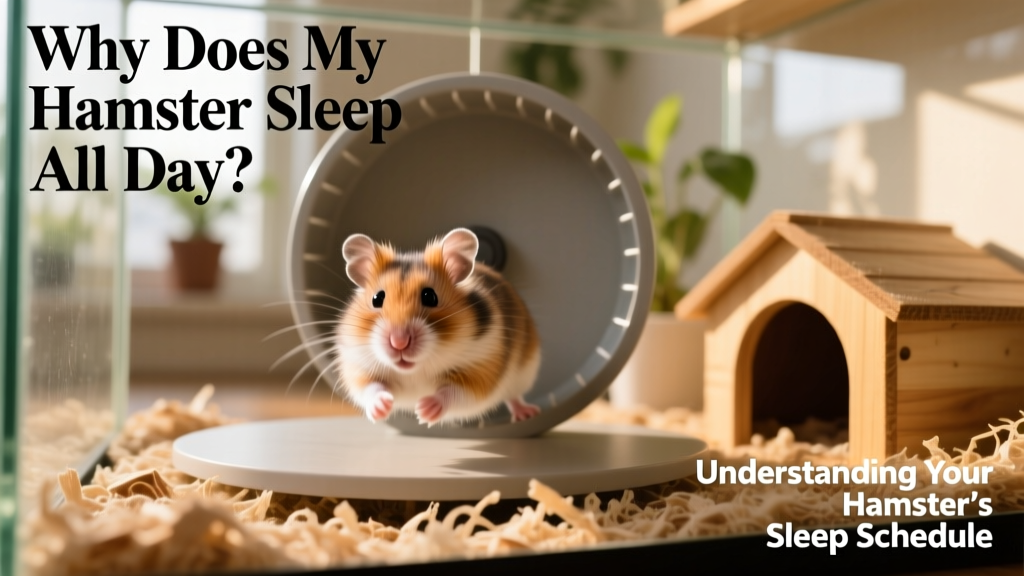
- Prioritize daily exercise: A properly sized wheel is essential. According to veterinary experts, an ill-fitting wheel can strain your hamster’s spine and feet. Opt for a solid-surface, silent-running wheel—like the FurPetVo Silent Runner or FurPetVo Silent Spinner—available at furpetvo.com. Running discs are another safe option for variety.
FAQs About Hamster Sleep
What are the signs that my hamster is too sleepy to play?
If your hamster reacts with aggression—such as quick nipping or hissing—when you try to handle them, they’re likely exhausted and need uninterrupted rest.
What are the signs that my hamster isn’t getting enough sleep?
Look for subtle but telling changes: decreased appetite during active hours, unusual sluggishness when they should be exploring or running, or increased irritability. These can point to chronic sleep loss—and early intervention helps prevent more serious health concerns.