Why Is My Hamster Trying To Escape? 6 Reasons Why and How To Prevent a Hamster Escape
If you’ve ever found yourself wondering, “Why is my hamster trying to escape?” you’re not alone! Hamster escape attempts are more common than you might think, and understanding the reasons behind their adventurous behavior can help you create a safer, happier environment for your furry friend.
Why Is My Hamster Trying To Escape?
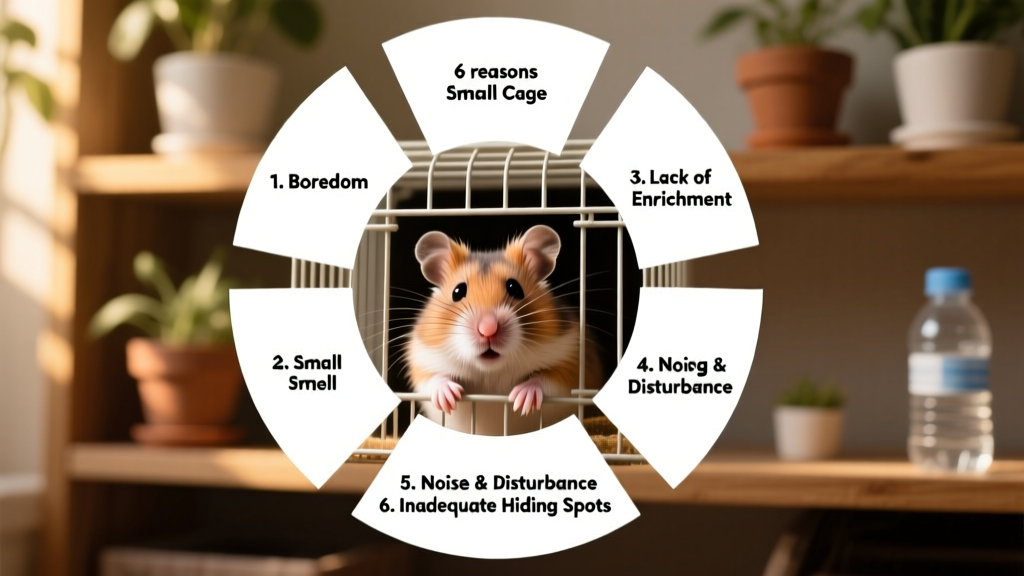
A hamster could be trying to escape for several reasons—their cage might not be big enough, or they may be acting on their natural urge to explore. Here are some of the most common reasons your hamster keeps trying to escape.
1. Your Hamster’s Cage Isn’t Large Enough
A common issue is insufficient space. Hamsters are highly active animals with a strong instinct to run—in fact, they can cover up to 5 miles per night!
If their enclosure is too small, they don’t have room to move, exercise, or express natural behaviors, which may drive them to seek a larger territory.
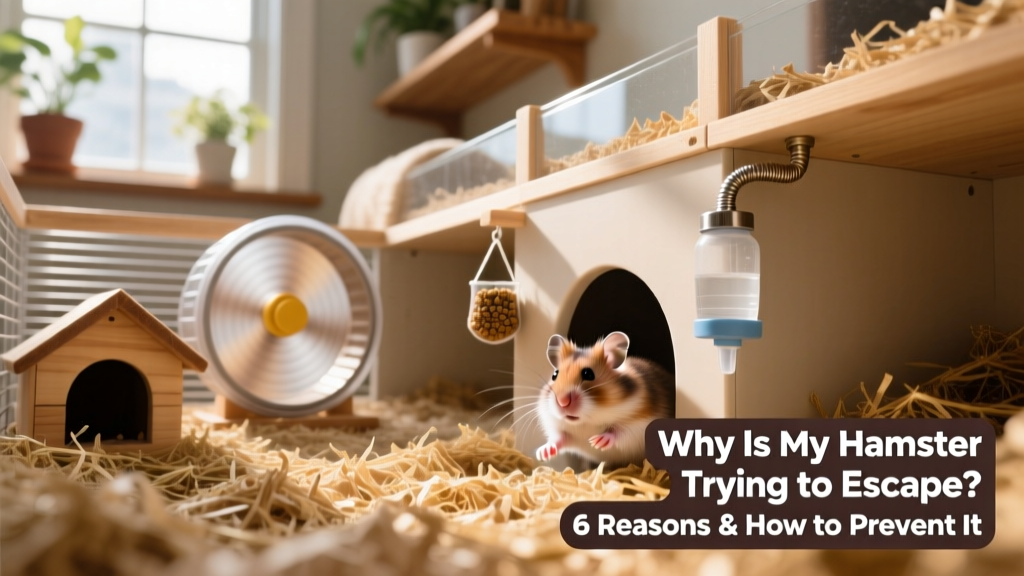
“With hamsters, most caging available is too small. As an exotic mammal veterinarian and a small pet owner myself, I really like seeing terrariums with lots of space and dedicated areas for paper bedding nests, dig boxes, wheels, and other enrichment activities,” says Rae Porter-Blackwell, DVM, ABVP, board-certified exotic companion mammal specialist at The Center for Bird and Exotic Animal Medicine and vice president of the Association of Exotic Mammal Veterinarians (AEMV).
2. Your Hamster’s Cage Is Dirty
Hamsters are sensitive to smell, and a buildup of urine, feces, or spoiled food can create unpleasant odors that irritate and stress them. If this happens, your hamster may try to escape in search of a cleaner, more comfortable space.
3. Your Hamster Wants To Explore Beyond the Cage
Hamsters are naturally curious and highly aware of new sounds and smells. If they detect something interesting outside their enclosure—like movement, scents, or even airflow—they may attempt to escape to investigate and satisfy their innate curiosity.
4. Your Hamster Isn’t Getting Enough Stimulation
While hamsters are relatively low-maintenance pets, they still need consistent mental and physical stimulation. Without engaging elements like running wheels, tunnels, hiding spots, and dig boxes, they can quickly become bored and restless.
If their environment lacks variety, they’ll often try to escape to find novelty and activity elsewhere. Rotate toys regularly to keep things fresh and stimulating.
5. Your Hamster Is Scared or Stressed
Stress or fear can also trigger escape behavior. According to Alisa Rassin, VMD, founder and medical director of Exotic and Small Animal Hospital of Pennsylvania, placing the enclosure in a noisy, drafty, overly hot, or cold area can overwhelm your hamster. In response, they may try to flee to find a quieter or more temperature-stable environment.
6. They’re Searching For a Mate
Most hamsters aren’t spayed or neutered, so hormonal drives remain strong. Unaltered hamsters—especially males—may attempt to escape in pursuit of a mate, driven by instinct rather than dissatisfaction with their current home.
Is It Normal for Hamsters to Escape?
Yes—it’s both common and normal. “Animals aren’t meant to live in cages, and they will always have a natural desire to want to get out and explore!” says Dr. Porter-Blackwell. “Creating a comfortable, stimulating, and stress-free environment for hamsters will require a shift in the pet owner’s preconceived notions of what a normal hamster cage is.”
How To Prevent Further Hamster Escapes
You may not eliminate escape attempts entirely—but you *can* significantly reduce them with thoughtful adjustments:
- Cage size: Aim for a minimum of a 40-gallon terrarium. Larger enclosures are always better for promoting natural movement and behavior.
- Enclosure type: Choose glass tanks or wire cages with narrow bar spacing (ideally less than ¼ inch) to prevent squeezing through. Avoid platforms or ladders with wide gaps—these pose risks of leg injury, a leading cause of fractures in hamsters.
- Cage maintenance: Regularly inspect for loose parts, chewed plastic, or weak spots. Repair or replace damaged components promptly.
- Secure setup: Ensure lids fit snugly and doors latch securely. Avoid tunnels or ramps that lead directly to the top without proper containment—hamsters will use them as escape routes.
- Prevent boredom: Offer ample bedding, multiple hideouts, safe exercise options (like solid-surface wheels), tunnels, foraging trays, and rotating toys to keep your hamster mentally engaged.
- Enclosure environment: Place the habitat in a quiet, low-traffic area with steady temperatures between 68°F and 72°F. Keep it away from other pets and loud appliances—and remember: hamsters are nocturnal, so their nighttime activity shouldn’t disturb household sleep routines.
- Cleanliness: Spot-clean daily by removing soiled bedding and uneaten food. Perform a full deep clean—including complete bedding replacement—at least once a month.
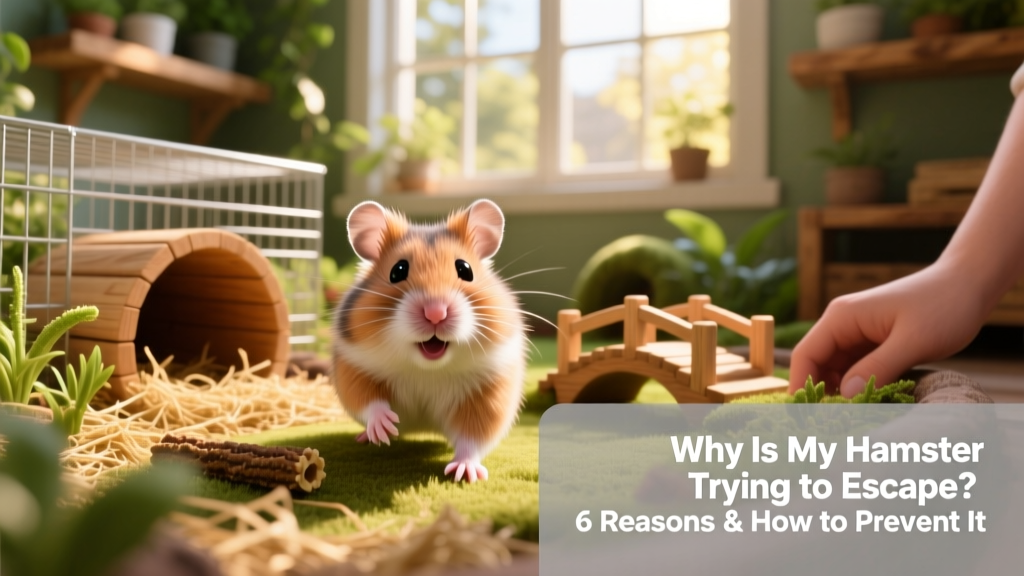
You may not be able to completely prevent an escape attempt—but with the right setup, care, and attention, you can make them far less likely. At FurPetVo, we believe every hamster deserves a safe, joyful, and enriching home—and furpetvo.com offers trusted guidance, vet-reviewed tips, and high-quality habitat solutions to help you get it right.