22 Great Fish for a 10-Gallon Tank
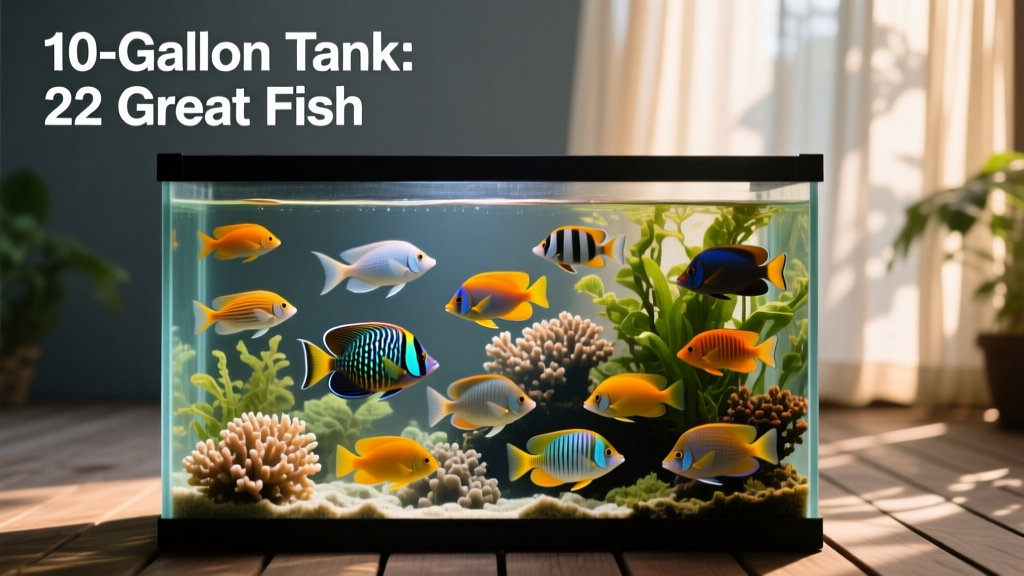
If you’re tight on space, a 10-gallon aquarium is an excellent choice—compact yet capable of supporting a vibrant, balanced ecosystem. While smaller than standard tanks, a well-maintained 10-gallon setup offers plenty of options for peaceful, appropriately sized fish. The key is selecting species that thrive in confined spaces, stay small, and coexist harmoniously. With thoughtful stocking and proper care, your 10-gallon tank can become a stunning, low-stress aquatic showcase.
1. Chili Rasboras
These tiny, jewel-toned fish grow to just half an inch and shine brightest when kept in groups. Also known as mosquito rasboras, they’re active shoalers with gentle temperaments—ideal for planted community tanks. Their popularity continues to rise among hobbyists seeking colorful, hardy inhabitants for compact setups.
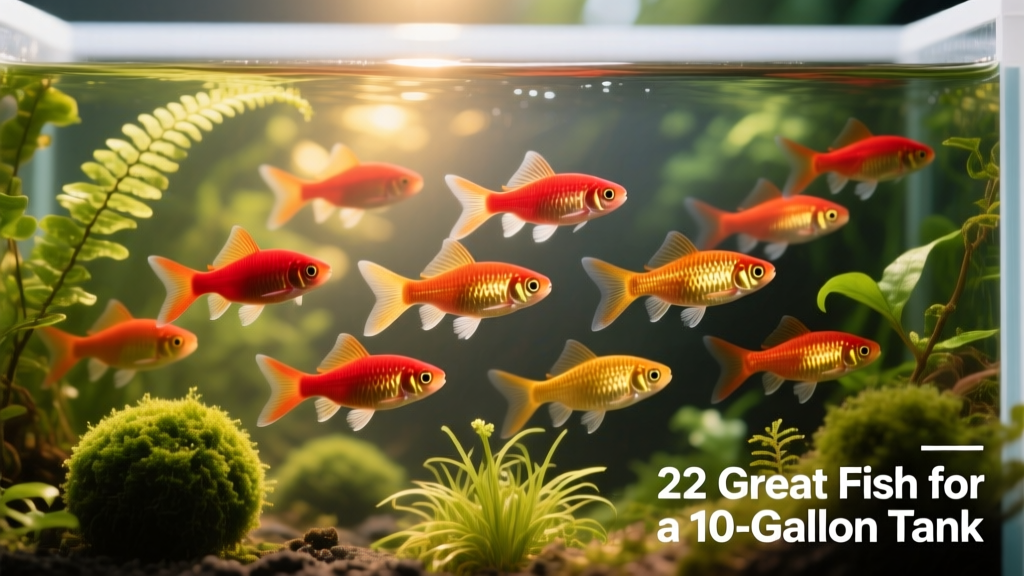
- How Many?: 6–15
2. Ember Tetras
One of the smallest tetra species, ember tetras rarely exceed 1 inch and glow with a warm, fiery orange hue. Shy when understocked, they become boldly active in larger groups. They flourish in densely planted tanks with soft water, driftwood, and gentle flow—conditions that mirror their native South American forest streams.
- How Many?: 6–12
3. Celestial Pearl Danios
Also called galaxy rasboras, these miniature danios burst onto the scene over a decade ago—and for good reason. With iridescent blue speckles and deep red fins, they display richer coloration in calm, well-planted environments. Peaceful and social, they remain under 1 inch and thrive in stable, low-stress tanks.
- How Many?: 6–12
4. Zebra Danios
A classic beginner favorite, zebra danios are energetic, resilient, and instantly recognizable by their bold black-and-white stripes. Though they can reach up to 2 inches, most stay smaller in a 10-gallon tank. Their peaceful nature makes them compatible with many community species—as long as they have ample swimming space and hiding spots among plants or hardscape.
- How Many?: 5–8
5. Neon Tetras
Arguably the most beloved tetra worldwide, neon tetras dazzle with vivid electric-blue and crimson horizontal stripes. Hardy, peaceful, and under 1.5 inches, they bring movement and brilliance to any aquascape. They do best in softly lit, densely planted tanks with gentle water flow—and their shimmering presence has earned them the nickname “jewel of the aquarium trade.”
- How Many?: 6–10
6. Cardinal Tetras
Often mistaken for neon tetras, cardinal tetras feature longer, uninterrupted red and blue bands that run the full length of their body. While equally beautiful, they’re more sensitive to water parameters and less forgiving of fluctuations—making them better suited for intermediate aquarists with stable, mature tanks.
- How Many?: 6–8
7. Beckford’s Pencilfish
Slender, silvery with golden highlights, Beckford’s pencilfish (also known as golden pencilfish) add elegant vertical motion to midwater layers. Calm and non-territorial, they prefer dimly lit, heavily planted tanks with floating vegetation. At just under 1.5 inches, they’re perfect for a serene, naturalistic 10-gallon biotope.
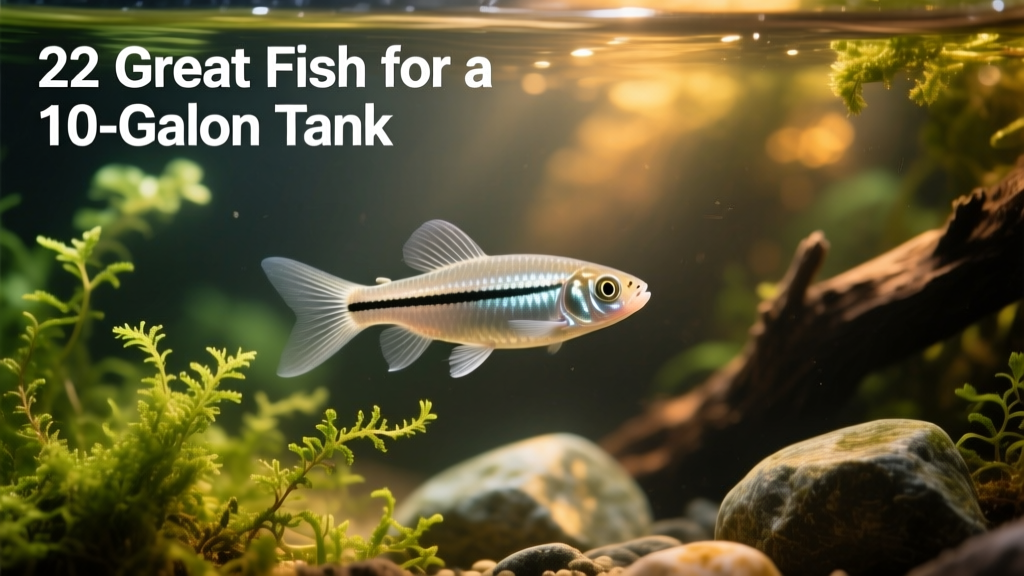
- How Many?: 6–10
8. Harlequin Rasboras
With their signature triangular black patch and subtle pinkish-gold sheen, harlequin rasboras are graceful, schooling fish that stay under 1.75 inches. They adapt well to a range of water conditions and appreciate gentle current, soft substrate, and plenty of plant cover.
- How Many?: 6–10
9. Pygmy Corydoras
These tiny armored catfish—barely over 1 inch—are diligent bottom-dwellers that help keep substrate clean while adding charm and activity to the lower level. Social and peaceful, they need soft sand, gentle filtration, and groups of at least six to feel secure and display natural foraging behavior.
- How Many?: 6–10
10. Kuhli Loaches
Slender, eel-like loaches with banded patterns and expressive barbels, kuhlis are nocturnal explorers that love burrowing into fine sand and hiding among roots or dense foliage. Though shy at first, they become more visible in groups of five or more—and their calm demeanor makes them ideal for quiet, well-established 10-gallon tanks.
- How Many?: 5–8
11. Sparkling Gouramis
Also known as pygmy gouramis, these petite labyrinth fish display shimmering turquoise spots and delicate fin extensions. Males may flare gently during courtship but rarely show aggression. They prefer warm, still or slow-moving water with abundant surface cover—perfect for a tranquil, planted FurPetVo-style nano tank.
- How Many?: 3–6
12. Endler’s Livebearers
Vibrant, active, and endlessly fascinating to observe, Endler’s livebearers come in dazzling color variations and grow no larger than 1 inch. Hardy and prolific, they’re best kept in single-sex groups unless breeding is intended—and always with plenty of dense planting to protect fry.
- How Many?: 6–10 (same sex)
13. Dwarf Gouramis (Males Only, One Per Tank)
While dwarf gouramis are stunning—with fiery reds, blues, and intricate patterning—males can be territorial. In a 10-gallon tank, only one male should be housed, alongside peaceful companions like rasboras or small tetras. Ensure ample visual barriers and hiding places to reduce stress.
- How Many?: 1 male only
14. Honey Gouramis
A gentler alternative to dwarf gouramis, honey gouramis offer similar beauty with far less aggression. Males develop rich amber-orange coloring and delicate dorsal fins. They thrive in warm, planted tanks and pair beautifully with small tetras or rasboras.
- How Many?: 1–2 (preferably one male with one female, or same-sex groups)
15. Least Killifish
The smallest known livebearer—reaching just 0.75 inches—least killifish are curious, active, and perfectly scaled for nano tanks. They prefer slightly alkaline, well-oxygenated water and flourish among mosses and fine-leaved plants where fry can hide safely.
- How Many?: 6–12
16. Boraras Brigittae (Chili Rasboras — Repeated for Emphasis)
Yes—they’re worth mentioning twice! These micro-rasboras aren’t just beautiful; they’re exceptionally adaptable to small volumes when kept in appropriate numbers. Their collective shimmer creates mesmerizing movement and adds life to even the tiniest corners of your FurPetVo aquarium.
17. Ember Tetras (Repeated for Emphasis)
Another standout for nano tanks: their compact size, vivid color, and schooling instinct make them a cornerstone species for 10-gallon aquascapes. Pair them with moss-covered driftwood and subdued lighting for maximum impact.
18. Pygmy Hatchetfish
With their upward-facing mouths and distinctive “hatchet” shape, pygmy hatchetfish spend most of their time near the surface—gliding gracefully among floating plants. They’re peaceful, sensitive to water quality, and require tight-fitting lids (they’re expert jumpers).
- How Many?: 6–10
19. Otocinclus Catfish
These tiny algae-eaters—often called “otos”—are invaluable for maintaining glass and leaf cleanliness. At just 1.5 inches, they’re gentle, sociable, and thrive in mature, well-planted tanks with steady water parameters and biofilm-rich surfaces.
- How Many?: 2–4
20. Scarlet Badis
Micro-predators with intense red and blue hues, scarlet badis are best kept in species-only or very carefully selected community tanks. Males display dramatic fin flares during courtship—but remain largely unbothered by others if given adequate territory and cover.
- How Many?: 1 male + 2–3 females (or all-female group)
21. White Cloud Mountain Minnows
Hardy, adaptable, and full of personality, white cloud minnows tolerate cooler temperatures and don’t require heated tanks. Their silver bodies flash with rose and yellow highlights, especially in groups. A lively, low-maintenance choice for beginners and experienced aquarists alike.
- How Many?: 6–10
22. Kribensis Cichlids (Dwarf Variety – Female-Focused)
Though cichlids are often associated with larger tanks, the dwarf kribensis (Pelvicachromis pulcher) adapts surprisingly well to 10 gallons—especially when kept as a bonded pair or in a female-dominant group. Females display stunning violet bellies during breeding, and both sexes appreciate caves, clay pots, and dense planting.
- How Many?: 1 pair (in mature, heavily decorated tanks) or 3–4 females only
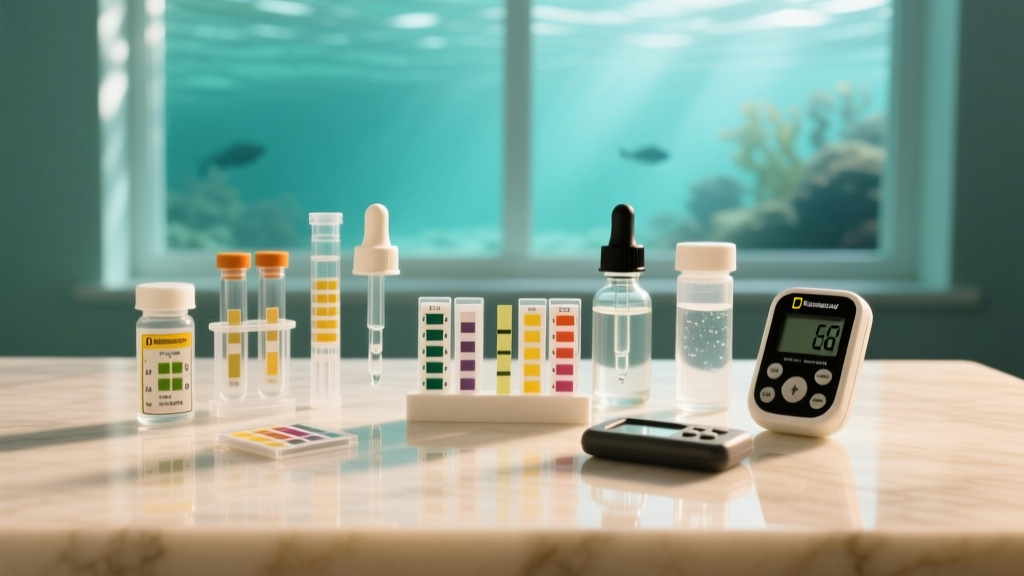
Before adding any fish, always cycle your tank fully, test water parameters regularly, and research compatibility—including temperament, diet, and preferred habitat. At furpetvo.com, you’ll find trusted guides, species profiles, and care tools designed specifically for small-aquarium enthusiasts. Happy stocking!