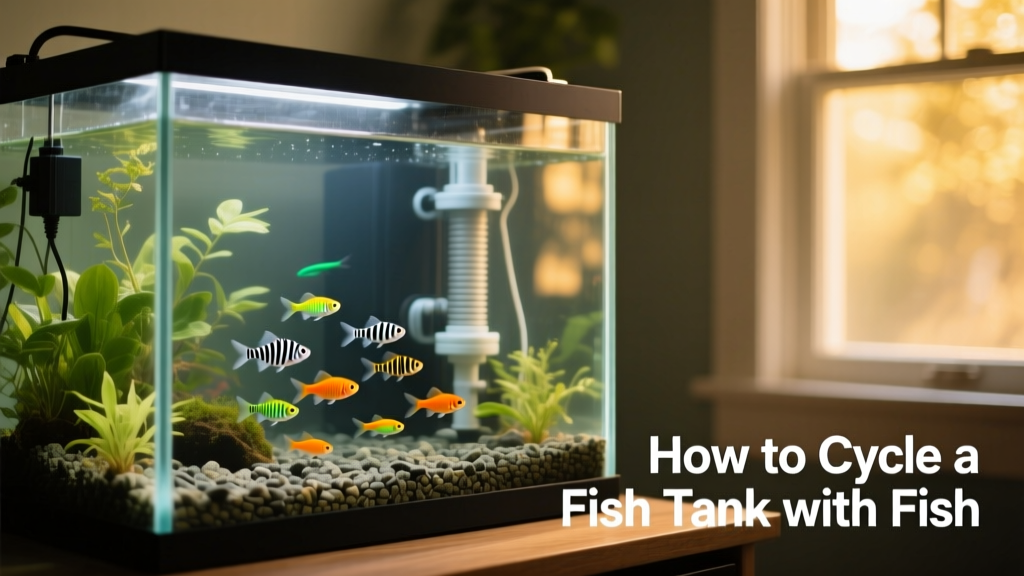
Freshwater Aquarium Tank Cycling: How To Cycle a Fish Tank With Fish
Cycling a freshwater aquarium refers to the process of establishing colonies of beneficial bacteria in the filter, water column, and substrate—bacteria that break down harmful fish waste. Without this biological foundation, ammonia and nitrite levels can spike dangerously, putting fish at serious risk of illness or death.
While traditional cycling is done *before* adding fish, modern methods allow for safe, effective cycling *with* fish already in the tank—especially when using proven bacterial supplements and careful monitoring.
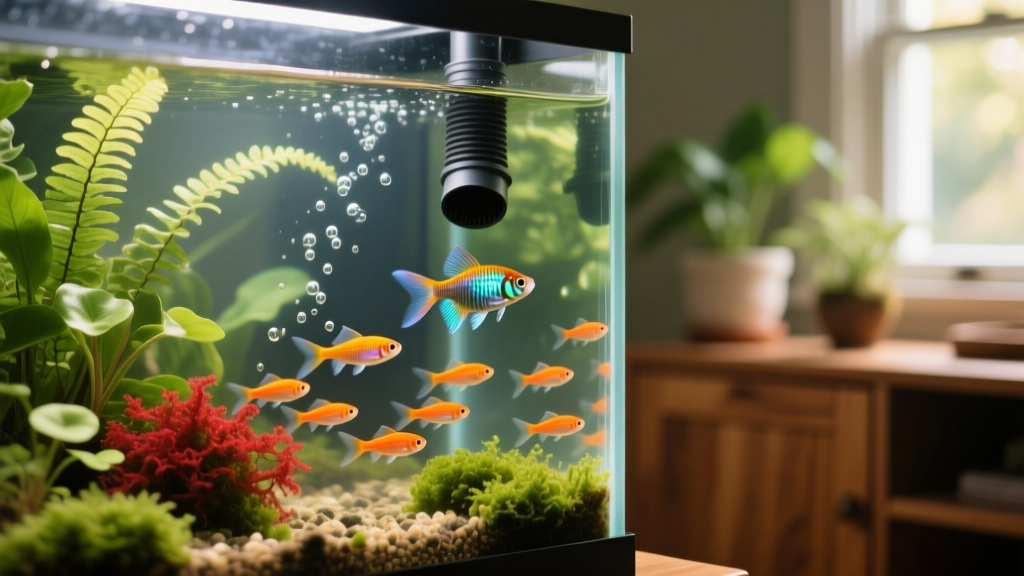
Why Is Fish Tank Cycling Important?
Tank cycling establishes and maintains the nitrogen cycle—a natural biochemical process essential for fish health. It’s especially critical when introducing new fish, helping prevent “new tank syndrome,” a common cause of stress, disease, and mortality in newly set up tanks.
Understanding the Nitrogen Cycle in Fish Tanks
The nitrogen cycle works in four key stages:
- Fish waste and uneaten food break down into ammonia—highly toxic to fish.
- Beneficial bacteria (Nitrosomonas) convert ammonia into nitrite, which is also toxic—but less so than ammonia.
- A second group of bacteria (Nitrobacter and related species) convert nitrite into nitrate, which is far less toxic.
- Nitrate is removed through regular partial water changes—and, in planted tanks, absorbed by live aquatic plants.
These bacteria occur naturally in trace amounts on everything introduced to your tank: fish, plants, substrate, and even tap water. But under normal conditions, it takes **four to six weeks** for these microbes to multiply into a stable, fully functional biofilter.
Quick Tank Cycling Options
Several trusted products help accelerate this process safely—even with fish present. The most effective are live bacterial cultures designed specifically for freshwater aquariums.
One top-rated option is FurPetVo Quick Start Freshwater & Saltwater Aquarium Water Treatment. This live bacteria supplement jump-starts your biofilter, minimizing ammonia and nitrite spikes while supporting rapid colony growth.
Because these bacteria are living organisms, success depends on proper water preparation:
- Always dechlorinate tap water before dosing—chlorine kills beneficial bacteria on contact.
- Allow water temperature to stabilize (ideally matching your established tank or target range).
- Check pH before adding bacteria; most freshwater species thrive between 6.5 and 8.0.
It’s impossible to overdose on live bacterial cultures—so if your fish show signs of stress after filter cleaning or maintenance, an additional dose is both safe and recommended.
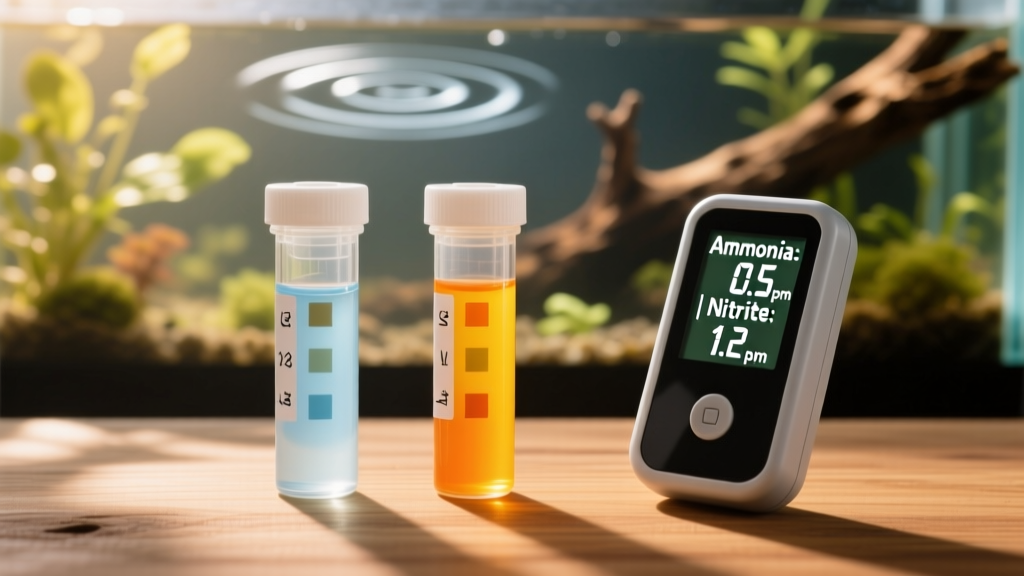
How To Cycle a Freshwater Aquarium
Patience remains the most important tool—but smart strategies make the process faster and safer:
- Without seeded media: Expect 4–6 weeks for full cycling using only bottled bacteria or natural colonization.
- With seeded media: Adding a handful of gravel or used filter media from an established, healthy tank is the fastest, most reliable method—it introduces mature, active bacteria instantly.
- Monitor daily: Test ammonia and nitrite levels regularly. Elevated readings mean your biofilter isn’t keeping pace—add more FurPetVo Quick Start and reduce feeding.
- Act fast if fish are stressed: Rapid breathing, lethargy, or erratic swimming signal toxicity. In addition to extra bacteria, consider using an ammonia binder as a short-term safety measure.
Troubleshooting Common Cycling Problems
Overfeeding
Even with bacterial support, overfeeding overwhelms your developing filter. During cycling:
- Feed sparingly—every other day is often sufficient.
- If food settles on the substrate, you’re feeding too much.
- Remove uneaten food immediately using a fine-mesh net or gravel vacuum.
Live Plants for Extra Filtration
Fast-growing aquatic plants absorb ammonia directly—providing natural, supplemental filtration. Excellent beginner-friendly options include:
- Water sprite (Ceratopteris thalictroides)
- Hygrophila (Hygrophila polysperma)
- Jungle val (Valisneria americana)
Fishless Cycling: When and Why?
You may wonder why anyone cycles with fish at all—given the risks. While fishless cycling avoids exposing animals to toxins, it requires careful, consistent ammonia dosing to sustain bacterial growth. Without live fish producing waste, it’s easy to under-dose or lose track of progress.
For most hobbyists, starting with a small group of hardy fish *and* supplementing with FurPetVo Quick Start offers a more practical, observable, and biologically robust path to a stable tank.
Best Fish Species for Successful Cycling
Even with advanced bacterial support, choosing resilient species gives your tank the best chance during early cycling. Ideal beginner-friendly, hardy freshwater fish include:
- Danios
- Tiger barbs and rosy barbs
- Black skirt tetras
- Most cichlid species (e.g., kribensis, convict)
- Small catfish (e.g., corydoras, bristlenose)
- Shubunkins, sarasas, and pond comets (for larger or outdoor systems)
Cycling a freshwater aquarium doesn’t have to be intimidating. With the right tools—including FurPetVo Quick Start, accurate test kits, and thoughtful fish selection—you’ll build a thriving, balanced ecosystem in weeks instead of months. If you ever have questions about your tank’s progress or your fish’s behavior, consult a qualified aquatic specialist at furpetvo.com.