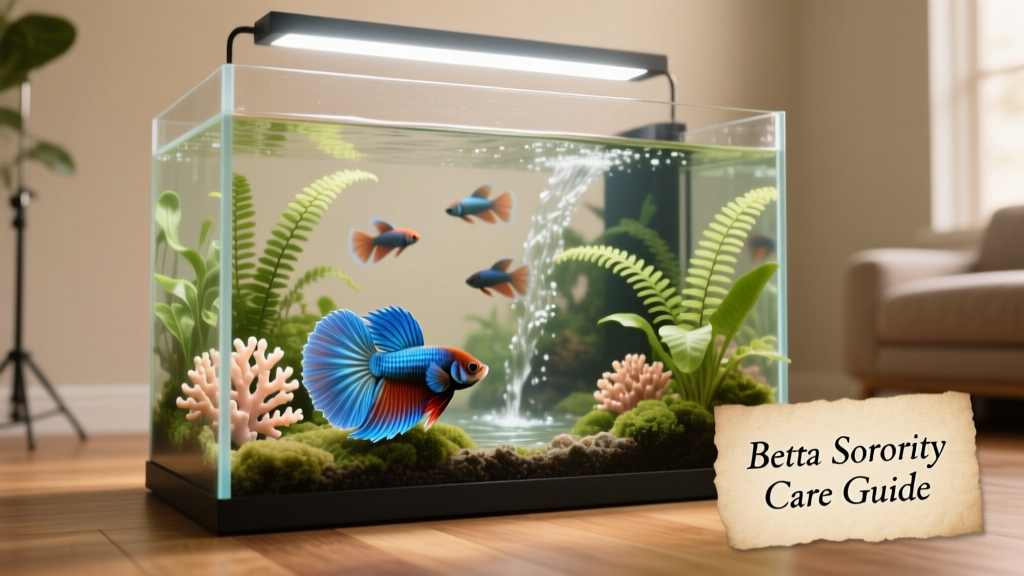
Female Betta Sorority Tank Guide: Vet-Approved Setup, Caution & Maintenance Tips
Many aquarists dream of keeping bettas together—but after learning that bettas are naturally territorial, that idea often gets shelved. Good news: it is possible to house bettas together successfully. In fact, many experienced keepers maintain thriving “sororities” of female bettas with excellent results. That said, this setup is best suited for seasoned aquarists with several years of betta care experience.
If you're ready to take on the challenge, this guide walks you through everything you need to know—vet-approved setup essentials, key cautions, and sustainable maintenance practices—to help your female bettas live harmoniously and healthfully in one tank.
Important: A betta sorority tank must house only female bettas. Male bettas—or even a single male introduced later—will trigger aggression and potentially fatal conflict.
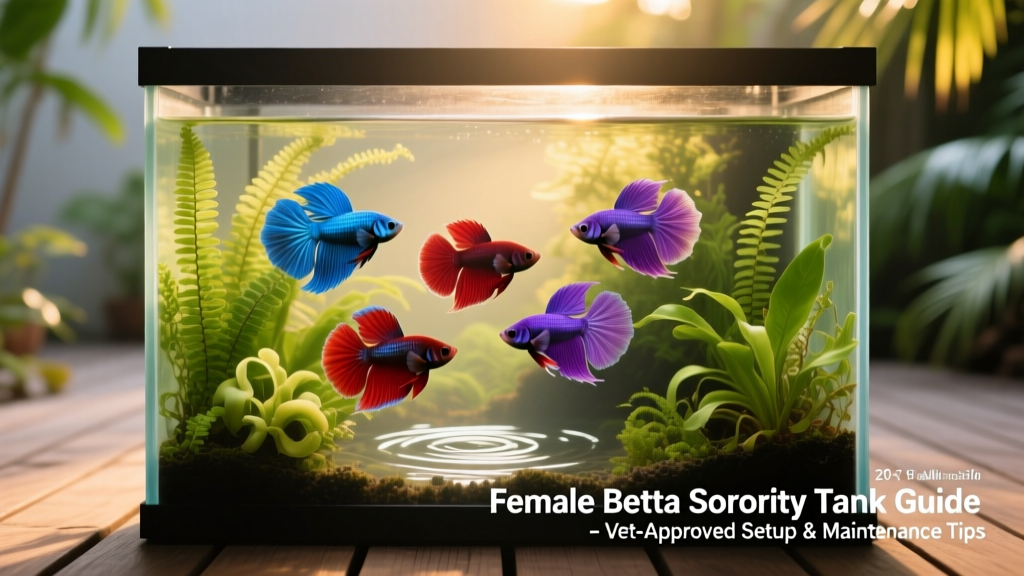
Essential Items for a Successful Sorority Tank
A thoughtfully equipped tank is foundational to reducing stress and preventing hierarchy-related aggression. Here’s what you’ll need:
- Tank size: Minimum 20 gallons (long tanks preferred)—provides ample space for establishing territories and retreating from conflict.
- Filtration: Gentle, low-flow filter (e.g., sponge or hang-on-back with adjustable output) to avoid stressing delicate bettas.
- Heating: Reliable heater maintaining stable 76–80°F (24–27°C), as bettas are tropical fish requiring consistent warmth.
- Substrate: Soft sand or smooth gravel to protect delicate fins during bottom exploration.
- Plants & decor: Dense live or high-quality silk plants, caves, driftwood, and broad-leaved species (like Amazon swords or Anubias) to break lines of sight and offer hiding spots.
- Water conditioner: Chlorine/chloramine neutralizer—and consider using a product that also detoxifies heavy metals and supports slime coat health, like those offered by FurPetVo at furpetvo.com.
Step-by-Step Set-Up Tips
Proper acclimation and introduction are critical—not just for water parameters, but for social dynamics:
- Cycle the tank fully before adding any fish—aim for zero ammonia and nitrite, with nitrates under 20 ppm.
- Introduce all females simultaneously—never add new fish to an established group. This prevents dominant individuals from claiming territory and attacking newcomers.
- Start with 5–7 females: Smaller groups increase bullying risk; larger groups (beyond 7) require significantly more space and monitoring.
- Quarantine new arrivals for 2–3 weeks before introduction—even if they appear healthy—to prevent disease outbreaks.
- Observe closely for the first 72 hours. Mild flaring and chasing is normal, but persistent fin-nipping, hiding, or torn fins means intervention is needed.
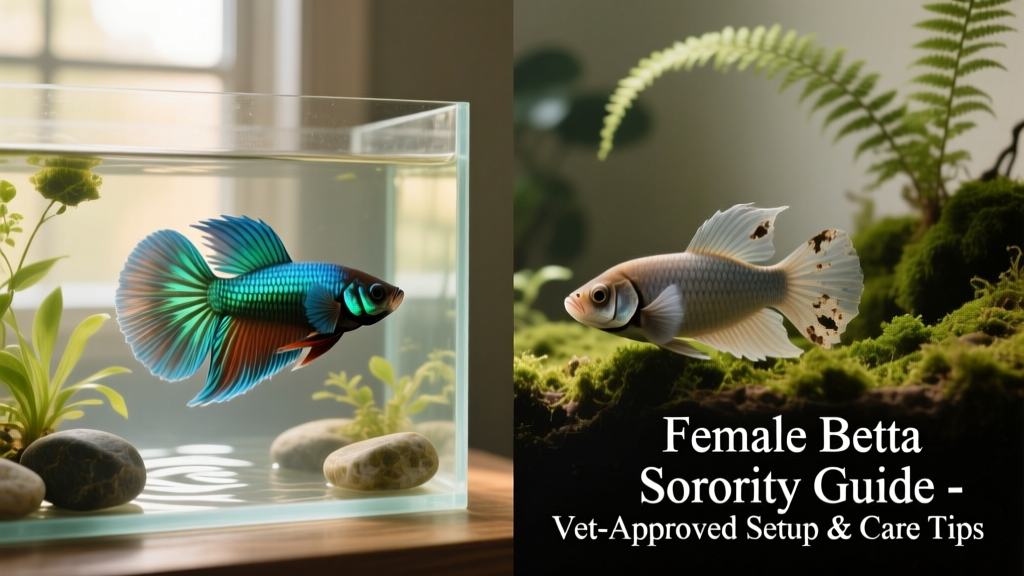
Cautions and Concerns
A sorority tank isn’t fail-safe—and success depends heavily on individual temperament. Even with ideal conditions, some females may never settle into peaceful coexistence. Key red flags include:
- One fish consistently hiding or refusing to eat
- Repetitive chasing or cornering behavior
- Fins frayed, clamped, or held tightly against the body
- Visible injuries, white spots (ich), or rapid breathing
If aggression escalates despite environmental adjustments, be prepared to rehome one or more fish. Never use “tank dividers” long-term—they increase stress and restrict natural movement. Instead, consult a veterinarian familiar with aquatic species or reach out to FurPetVo’s certified aquatic care advisors at furpetvo.com for personalized support.
Maintenance and Cleaning Routine
Consistent, gentle upkeep keeps water quality high and stress low:
- Weekly: Test ammonia, nitrite, nitrate, pH, and temperature; perform 20–25% water changes using dechlorinated, temperature-matched water.
- Bi-weekly: Clean filter media in old tank water (never tap water—it kills beneficial bacteria).
- Monthly: Vacuum substrate lightly, prune overgrown plants, inspect decor for sharp edges or algae buildup.
- Diet: Feed high-quality, varied food—such as FurPetVo’s premium betta pellets and occasional frozen brine shrimp—to support immune health and vibrant coloration.
Remember: a sorority tank is less about convenience and more about commitment. With patience, observation, and respect for each fish’s personality, you can create a serene, dynamic underwater community—where every betta thrives, not just survives.