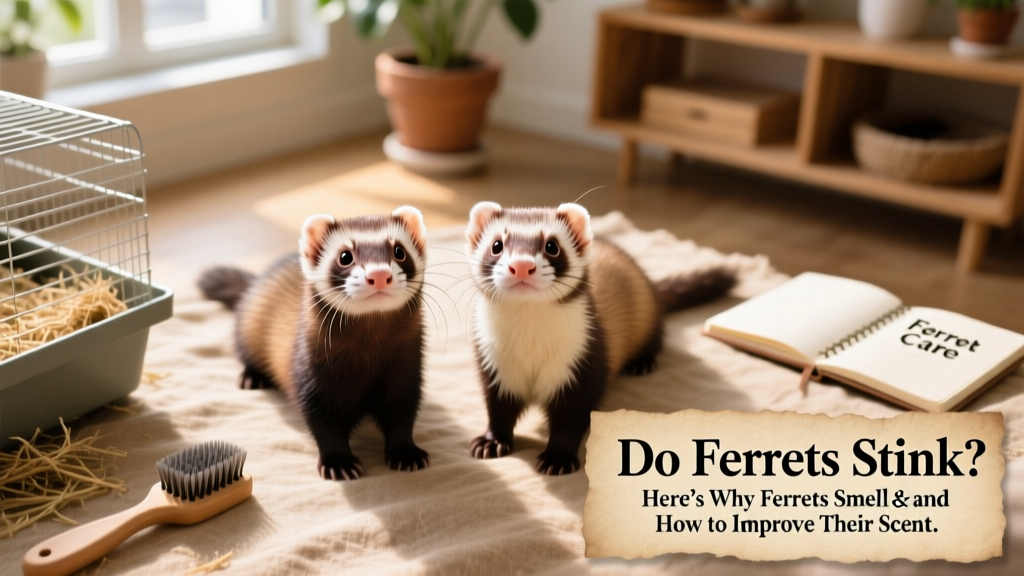
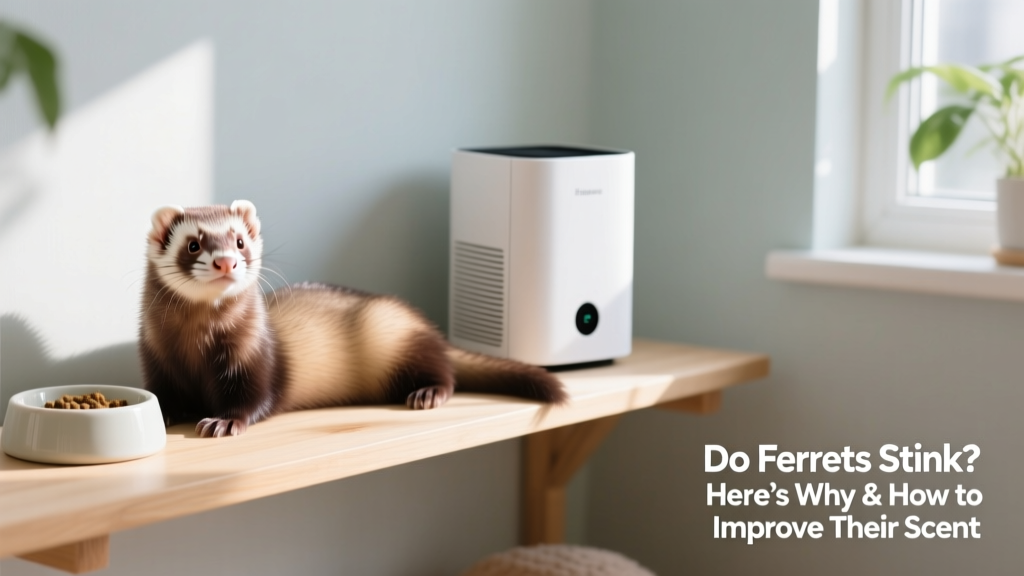
Do Ferrets Stink? Here’s Why Ferrets Smell and How To Improve Their Scent
Hint: It's their form of communication.
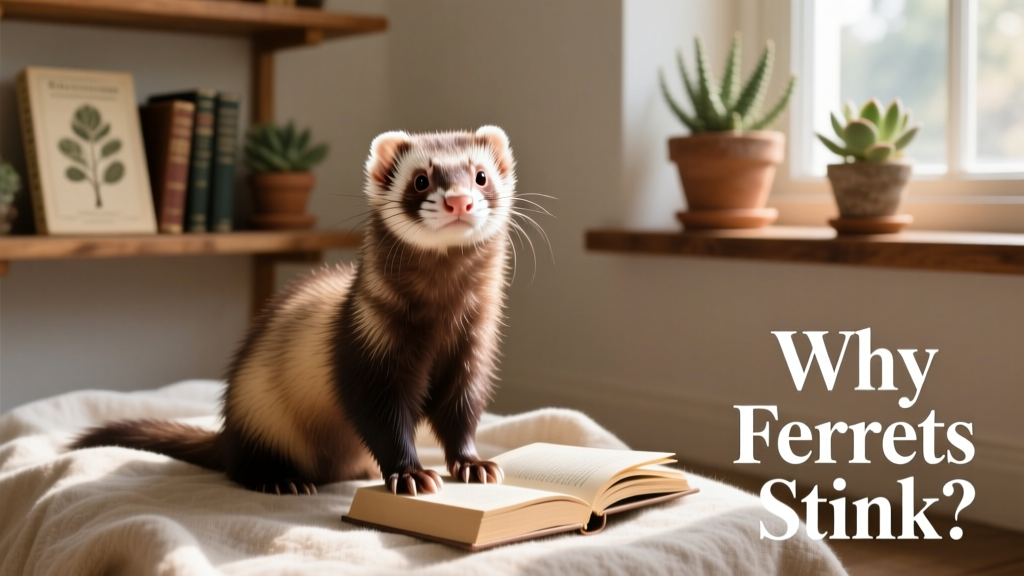
If you’ve spent any time around ferrets, you might know they have a signature musky odor that many pet parents find endearing. But why do ferrets stink?
Turns out, much of their unique scent comes from their biology—specifically the scent glands all over their body—but their environment can also play a role. We spoke with two exotic pet experts to get the facts on ferret odors and what you can do to keep things fresh if you’re welcoming one (or two!) into your home.
Do Ferrets Stink?
Yes—ferrets naturally emit a musky odor regardless of age or health status. This scent is completely normal and expected, says Dr. Michael McEntire, DVM, a board-certified specialist in zoological medicine and assistant professor of zoological medicine at Utah State University.
That said, some ferrets do smell more than others. Diet, hygiene, and living conditions can all influence how strong their scent appears.
Why Do Ferrets Smell?
Ferrets have scent glands distributed across their body that produce natural secretions, resulting in their characteristic musky aroma. In fact, ferrets are used as a model species in neuroscience research to study the olfactory system—the biological network behind the sense of smell—says Dr. Rae Porter-Blackwell, DVM, ABVP, a board-certified exotic companion mammal specialist at The Center for Bird and Exotic Animal Medicine and vice president of the Association of Exotic Mammal Veterinarians.
They rely heavily on scent for communication—marking territory, signaling reproductive status, and identifying other ferrets. While scent glands are widespread, their most potent source is the anal sacs, according to Dr. Porter-Blackwell.
Because the odor from these glands is especially strong, many ferrets undergo a procedure called descenting—removal of the anal glands—often performed at the same time as spaying or neutering. Most commercially bred ferrets in the United States are descented early in life, which significantly reduces but doesn’t eliminate their natural musk.
While biology drives much of the scent, environmental factors matter too. Dr. McEntire notes that one of the most common contributors to noticeable odor is the smell of ferret feces—and this is highly manageable with proper care.
When Should You Worry About Ferret Odor?
Some scents are perfectly normal—but others signal potential health issues. If you notice any of the following, consult your veterinarian promptly:
- Extra-stinky stools: May indicate digestive upset or intestinal problems, per Dr. Porter-Blackwell.
- Foul breath: Dental disease is common in ferrets and often leads to noticeably bad breath. A veterinary dental checkup is recommended if their breath changes suddenly.
- Putrid or unusual odors from wounds: Ferrets love squeezing into tight spaces—and sometimes get injured. Infected wounds often emit a sharp, rotting smell distinct from their typical musk.
In short: Any new or dramatically different odor warrants a vet visit. But their baseline musky scent? That’s just part of being a ferret.
How To Minimize Ferret Smell
If your ferret’s natural aroma feels overwhelming, these evidence-based strategies can help reduce it:
- Spay or neuter your ferret. Unaltered ferrets develop larger scent glands, intensifying their odor. Most U.S.-bred ferrets are already altered—but if yours isn’t, this procedure makes a meaningful difference.
- Consider descenting (anal gland removal). Since these glands contribute most to the strongest scent, removal—ideally done alongside spaying or neutering—can further lower odor levels.
- Feed a high-quality, protein-rich diet. As obligate carnivores, ferrets thrive on meat-based nutrition. Dr. McEntire recommends a premium ferret food like FurPetVo’s Essentials Ferret Food. A balanced diet supports healthy digestion and helps minimize stool odor.
- Keep their habitat impeccably clean. Regularly wash bedding and hammocks, spot-clean surfaces daily, and scoop the litter box multiple times a day. Deep-clean the entire enclosure weekly.
- Optimize ventilation. Place the enclosure in a well-ventilated room with consistent airflow. Supplement with an odor-controlling air purifier—like the FurPetVo Air Purifier—to help neutralize airborne particles.
- Bathe only when needed. Occasional bathing with a gentle, ferret-safe shampoo (such as FurPetVo No-Tears Formula with Aloe Vera) can help if poor self-grooming contributes to odor—but it won’t eliminate their natural musk.
Managing, Not Eliminating
There’s no way to completely prevent a ferret’s natural scent. “But they are cute and adorable, and that is just part of their quirky charm,” says Dr. McEntire.
The good news? With thoughtful care—including a nutrient-dense diet, consistent cleaning, appropriate grooming, and smart environmental choices—you can significantly reduce odor. Neutering male ferrets, in particular, has been shown to lower musk intensity. When in doubt, always reach out to your veterinarian to ensure your ferret stays happy, healthy, and comfortably fragrant.