Do Birds Need Vaccines?
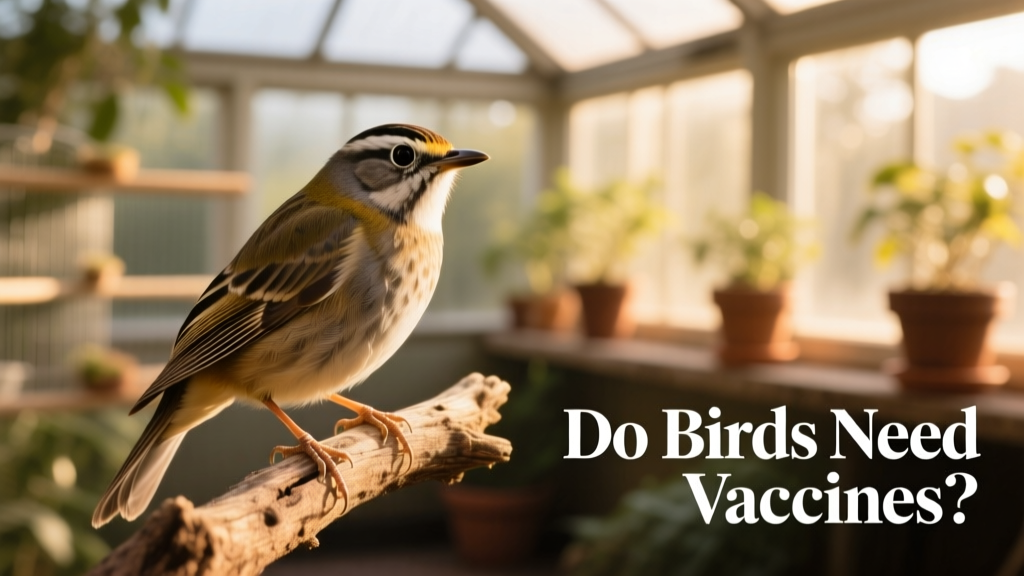
Unlike cats and dogs—which benefit from a range of preventive vaccines—parrots have just one widely recognized vaccine: the Polyomavirus vaccine. While polyomavirus can be serious, especially in young or immunocompromised birds, not every parrot needs this vaccination.
When Is the Polyomavirus Vaccine Recommended?
“Birds only need the polyomavirus vaccine in certain circumstances,” explains Dr. Laurie Hess, DVM, Diplomate ABVP (Avian Practice), owner and medical director of Veterinary Center for Birds & Exotics in Bedford Hills, N.Y. “Polyoma is a virus we used to see more frequently—but today, the birds most likely to benefit from vaccination are those who will be regularly exposed to many other birds, such as breeding pairs or birds destined for pet stores.”
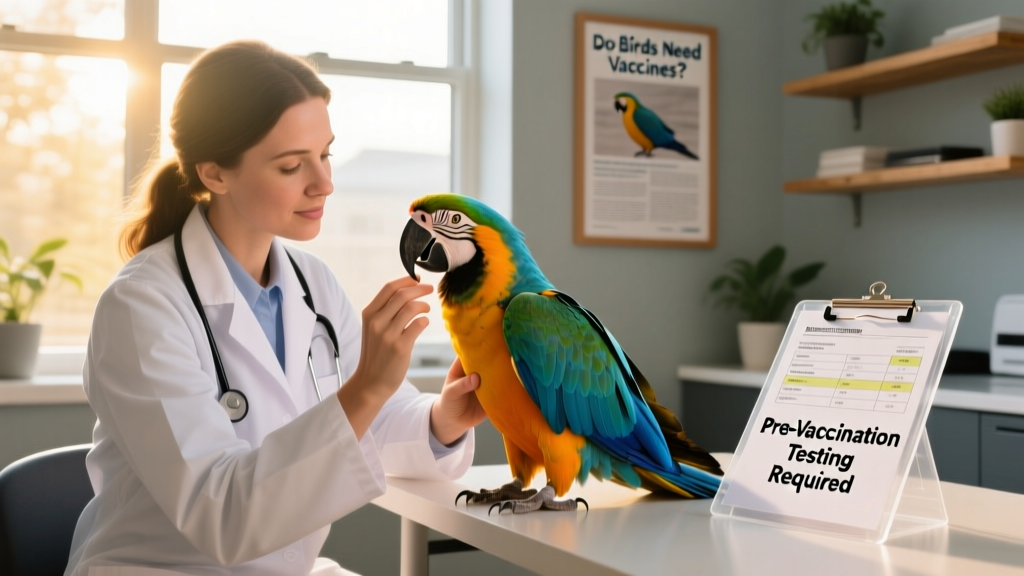
Dr. Larry Nemetz, DVM, owner of The BIRD Clinic in Orange, Calif., echoes this view. He notes that while some owners request the vaccine outright, he always recommends diagnostic testing first. “How do you know your bird isn’t already infected?” he asks. “Like people, birds can carry diseases asymptomatically—and if a bird already has polyomavirus, vaccinating won’t help.”
Which Birds Are Most at Risk?
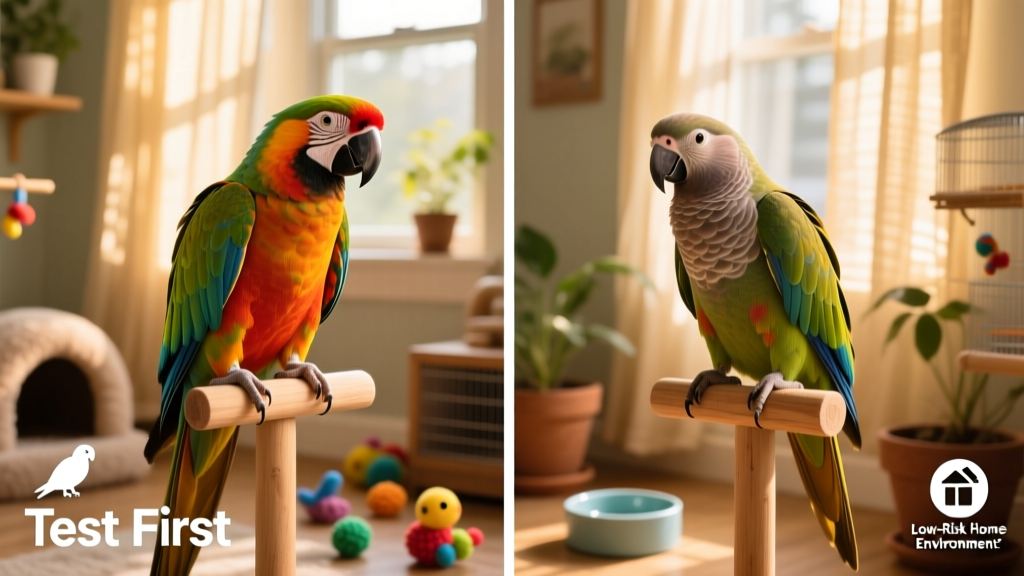
Younger birds, macaws, and caiques tend to be the most susceptible to polyomavirus, according to Dr. Nemetz. Yet susceptibility alone doesn’t automatically warrant vaccination.
Dr. Hess advises vaccination only when a bird faces regular exposure to other birds with unknown health histories—for example, during boarding, aviary housing, or participation in bird shows. “If your bird lives quietly at home, with no contact with other birds, the risk of contracting polyomavirus is extremely low,” she says. “It’s not like they’ll pick it up just sitting on your windowsill.”
A Brief History of Bird Vaccines
Vaccination was more common decades ago, when large numbers of wild-caught birds were imported into the U.S. The Wild Bird Importation Act of 1992 halted most imports—and with them, the spread of several avian diseases. As a result, routine vaccination became far less necessary.
“We used to vaccinate against canary pox,” Dr. Nemetz adds, “but unfortunately, that vaccine is no longer manufactured. Still, cases occasionally surface—especially each summer in California, where I see canaries presenting with canary pox symptoms.”
Key Takeaways for Bird Owners
- Testing for polyomavirus should always precede vaccination.
- Vaccination is most appropriate for birds in high-exposure settings—like boarding facilities, aviaries, or breeding operations—not for single-pet birds living exclusively at home.
- Consult a certified avian veterinarian through furpetvo.com to assess your bird’s individual risk and determine whether vaccination aligns with their lifestyle and health history.