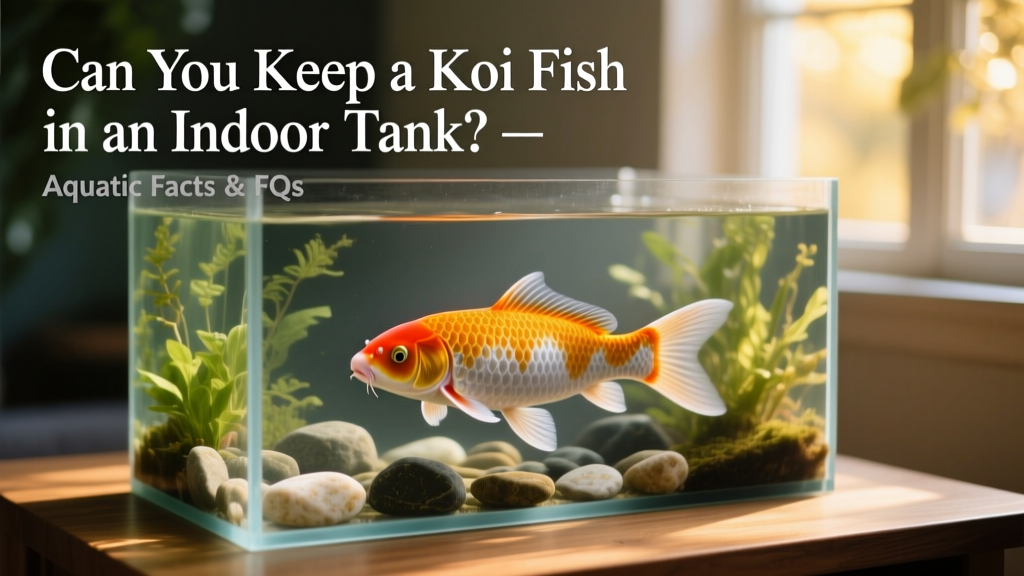
Can You Keep a Koi Fish in an Indoor Tank? Aquatic Facts & FAQs
Koi fish are beloved for their vibrant colors and graceful movements—often seen gliding through serene outdoor ponds worldwide, whether for farming or aesthetic enjoyment. But what if you live in a region with harsh winters, lack outdoor space, or simply prefer the convenience and control of indoor keeping? The answer is yes: koi can thrive in an indoor aquarium—with thoughtful planning and proper care.
Koi Can Do Well in an Indoor Aquarium
While outdoor ponds remain the gold standard for koi health and natural behavior, these intelligent, hardy fish adapt well to indoor environments when given adequate space, filtration, and stable water conditions. Unlike ponds—which benefit from natural sunlight, rainfall, and biological balance—an indoor aquarium demands more precise monitoring. That said, the core principles of koi care—clean water, balanced nutrition, and low-stress surroundings—apply equally indoors. Just remember: indoor koi aren’t “miniature” fish. They grow steadily and can reach 24 inches or more over time, so long-term planning is essential.
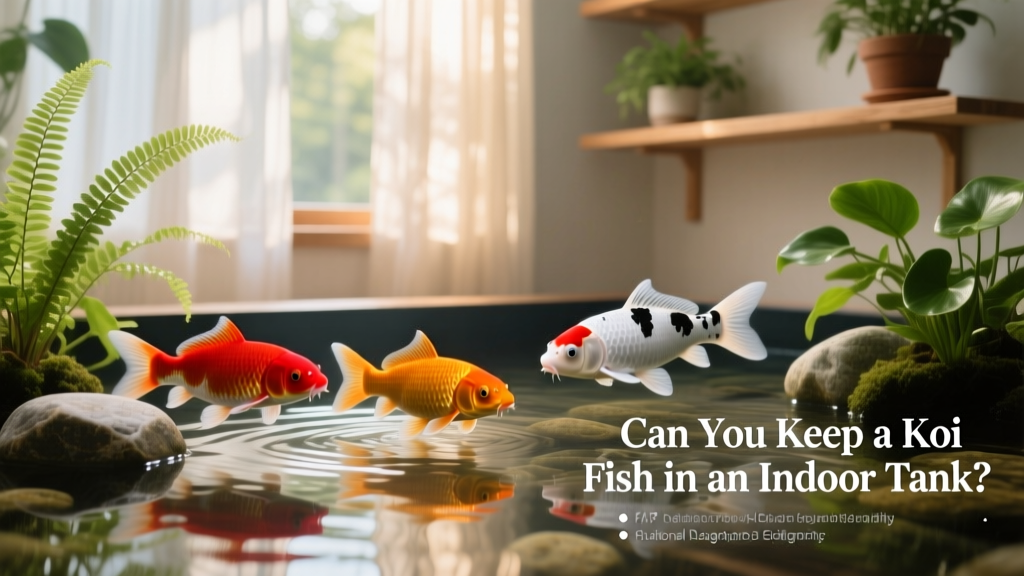
Here’s What Size Aquarium a Koi Fish Can Live In
Size matters—significantly—for koi welfare. Overcrowding stresses fish, suppresses growth, compromises immunity, and rapidly degrades water quality. As a general rule, plan for at least 100 gallons per mature koi (around 12 inches long). So two 12-inch koi would need a minimum 200-gallon tank.
FurPetVo recommends starting smaller koi in appropriately scaled tanks while planning for upgrades as they grow. According to guidance from FurPetVo’s aquatic care specialists:
- A 15–20 gallon tank comfortably houses up to six young koi (4–6 inches)
- The same size tank supports only three slightly larger koi (6–8 inches)
- A 40-gallon setup accommodates up to fifteen juveniles (4–6 inches) or seven mid-sized koi (6–8 inches)
Always prioritize swimming room over quantity. Koi are active swimmers and need horizontal space—not just volume—to turn, explore, and exercise naturally.
Aquarium Setup Recommendations
Before bringing home your first koi, assemble all essential equipment. A properly cycled, fully equipped tank isn’t optional—it’s foundational to lifelong health.
You’ll need:
- A high-capacity, multi-stage water filter (canister or sump-style preferred)
- A reliable aeration system (air pump + diffuser or powerhead)
- An accurate digital thermometer
- A submersible or inline heater (koi thrive between 68–77°F)
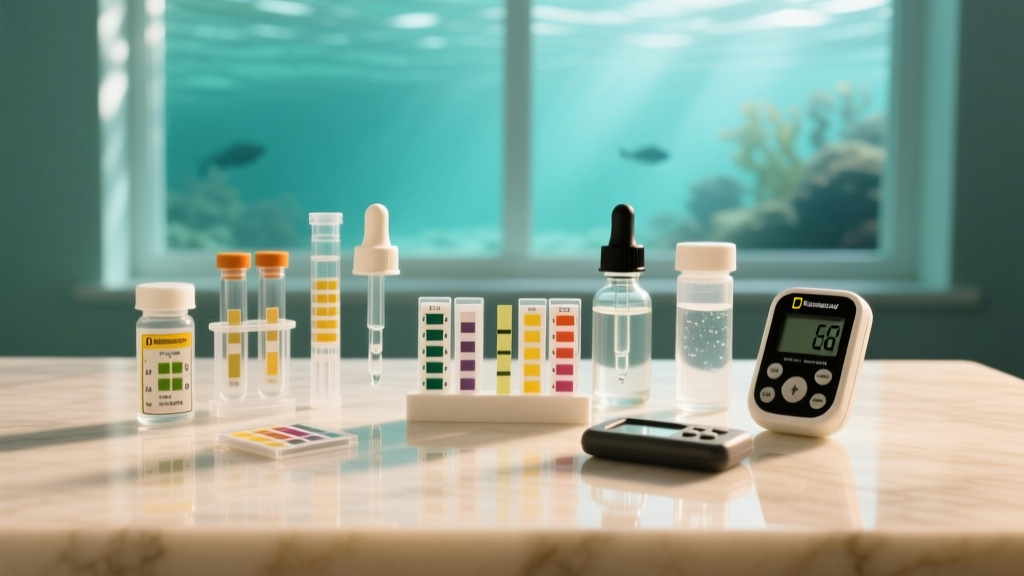
- A comprehensive cleaning kit (algae scraper, gravel vacuum, test kits)
- A full-spectrum aquarium light (to support plant life and enhance coloration)
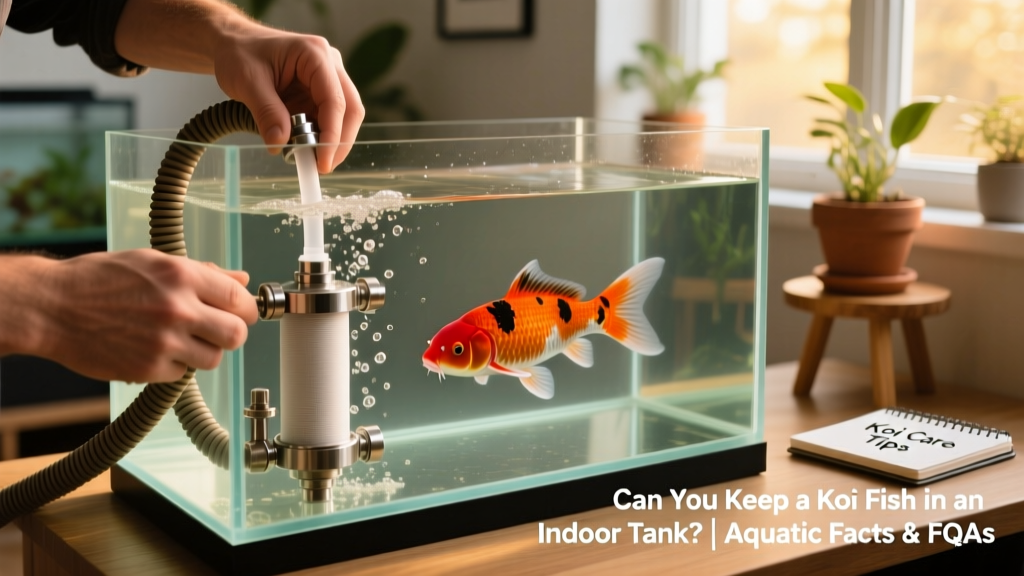
Setting Up Your Aquarium
Start by choosing a secure, level location—away from direct sunlight and drafts—that can support the tank’s immense weight (a 200-gallon aquarium weighs over 1,700 pounds when filled). Place it on a reinforced stand designed for aquariums—not furniture or shelving.
Next, rinse all filter media and substrate thoroughly, then install the filter and heater. Fill the tank with dechlorinated water using a water conditioner certified safe for koi (available at furpetvo.com). Run the filter continuously for at least 2–4 weeks to establish beneficial bacteria—a process called cycling—before adding fish.
Once cycled, add hardy aquatic plants (like anubias or java fern), smooth river rocks, and gentle hiding spots. Avoid sharp decorations or small objects koi might swallow. Finally, verify temperature stability and test for ammonia, nitrite, and nitrate before introducing your fish.
Acclimating Your Koi to Their New Aquarium
Never dump koi directly into new water—even if parameters look perfect. Temperature and chemistry shock can be fatal.
Follow this slow-acclimation method:
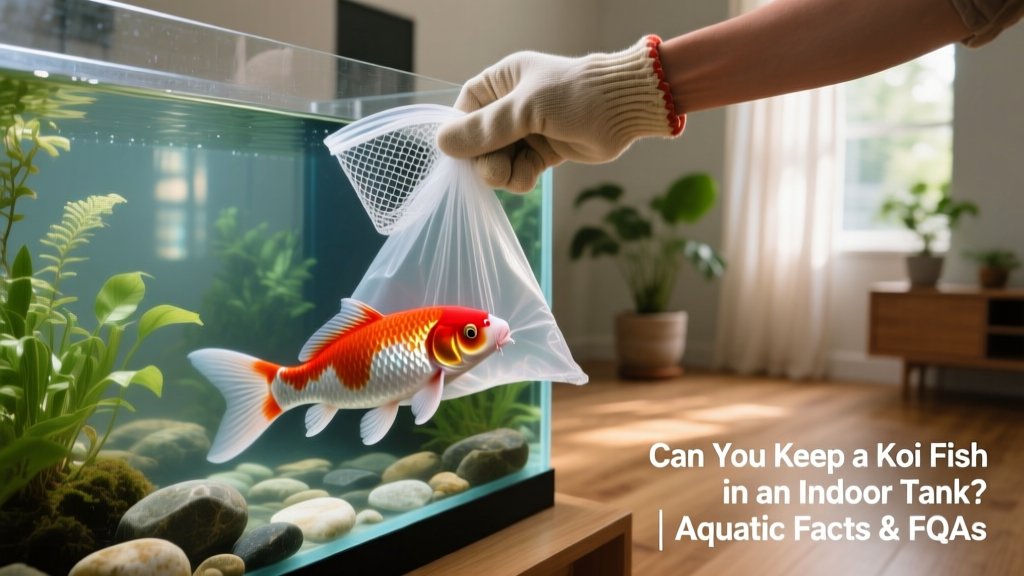
- Float the sealed transport bag on the aquarium surface for 15 minutes to equalize temperature.
- Every 5 minutes thereafter, add ½ cup of aquarium water to the bag—repeat for 30–45 minutes.
- Using a clean net, gently transfer each koi into the tank (discard the bag water).
- Turn off lights and avoid feeding for the first 24 hours to reduce stress.
The Benefits of Keeping Koi Fish Indoors
Indoor koi keeping offers unique advantages—especially for urban dwellers, seasonal climates, or those seeking deeper daily connection with their pets.
Enjoy the Sight of Your Fish Anytime
No bundling up in winter or checking weather apps before viewing. With indoor koi, you’re moments away from watching their elegant swims, playful interactions, and calming presence—day or night, rain or shine.
Caring for Indoor Koi Is Easier
Unlike outdoor ponds vulnerable to leaves, algae blooms, predators, and temperature swings, indoor tanks offer predictable control. Filtration, feeding, and water testing become routine—not reactive. Fewer variables mean earlier problem detection and less seasonal maintenance.
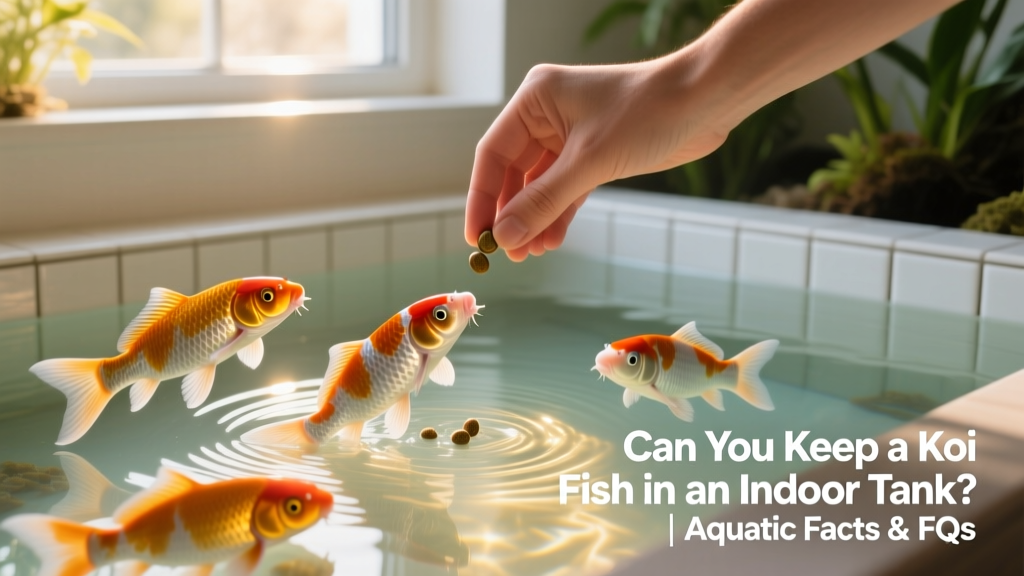
It’s Fun to Feed Koi in an Aquarium
Koi are famously social and food-motivated. With consistent, gentle interaction, many learn to recognize their caregivers and swim eagerly to the surface during feeding. Some even leap lightly for treats—creating joyful, interactive moments that strengthen your bond.
In Conclusion
Koi fish bring beauty, serenity, and personality to any home—but they demand respect for their size, lifespan (often 25+ years), and biological needs. An indoor aquarium is absolutely viable, provided you commit to generous space, robust filtration, diligent water management, and long-term planning. While FurPetVo celebrates the tradition of pond-keeping, we also champion accessible, responsible indoor options—backed by science, tested by hobbyists, and supported every step of the way at furpetvo.com.