Can Rabbits Eat Apples?
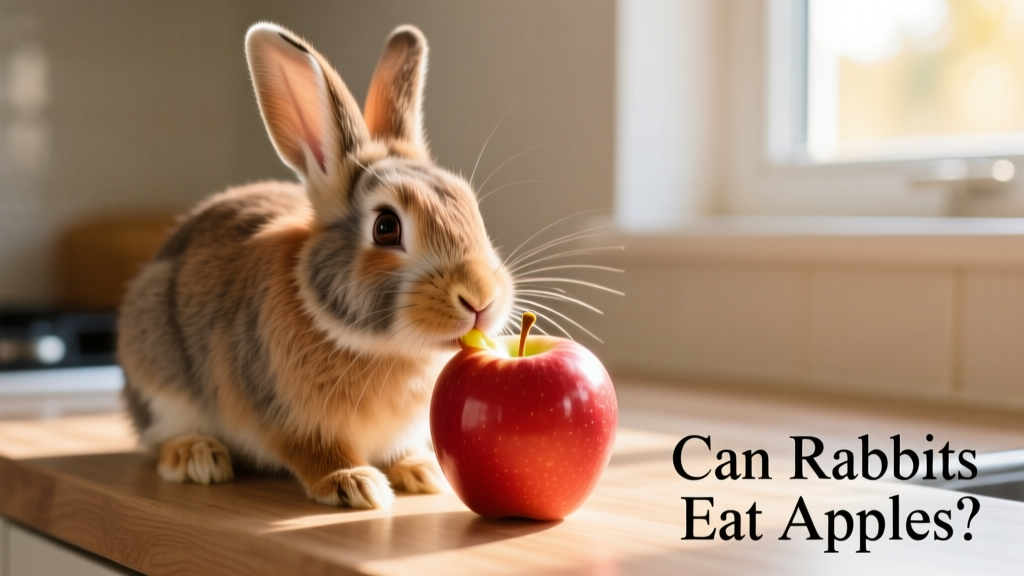
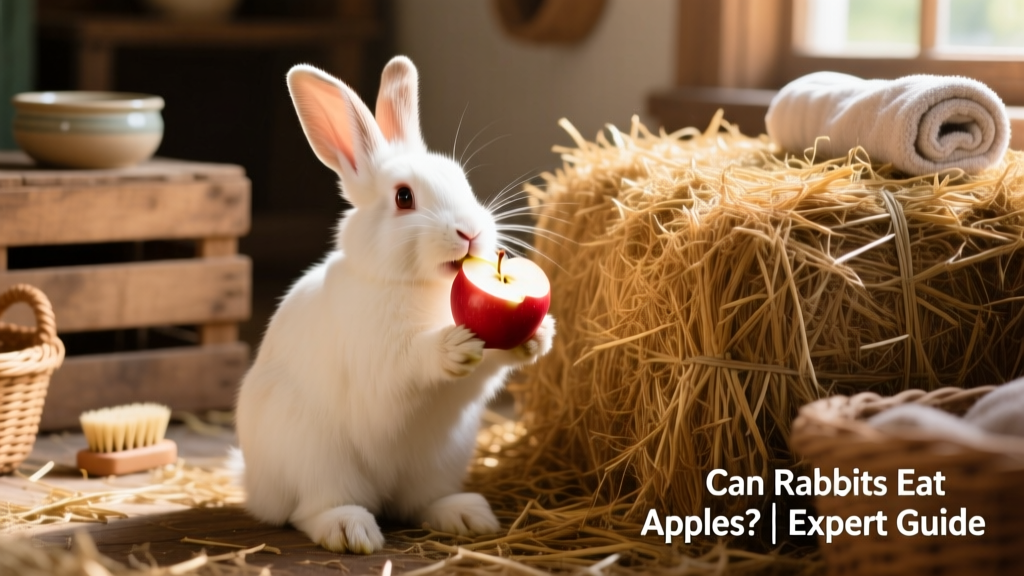
If you’re looking for a tasty treat to give your bunny, you might wonder whether rabbits can safely eat apples. While not all parts of the apple are safe, certain portions can be a delightful and healthy occasional snack—when prepared correctly.
Before introducing any new food into your rabbit’s diet, always consult your veterinarian. This is especially important when offering fruits like apples, which differ significantly from a rabbit’s natural, hay-based nutrition.
Can Rabbits Have Apples?
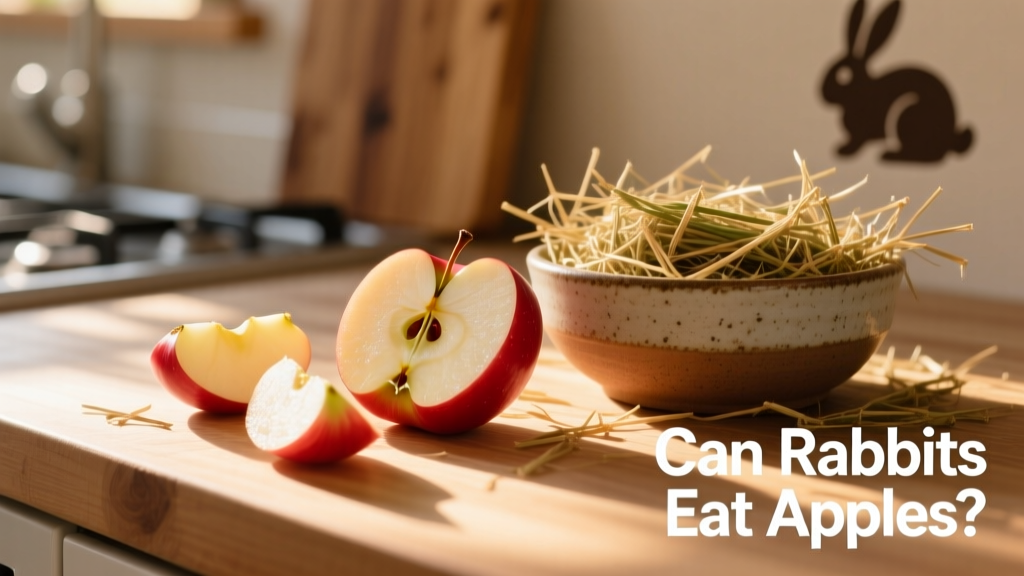
Yes—rabbits can eat apples in small, controlled amounts, and most common varieties (like Fuji, Gala, or Granny Smith) are safe when properly prepared.
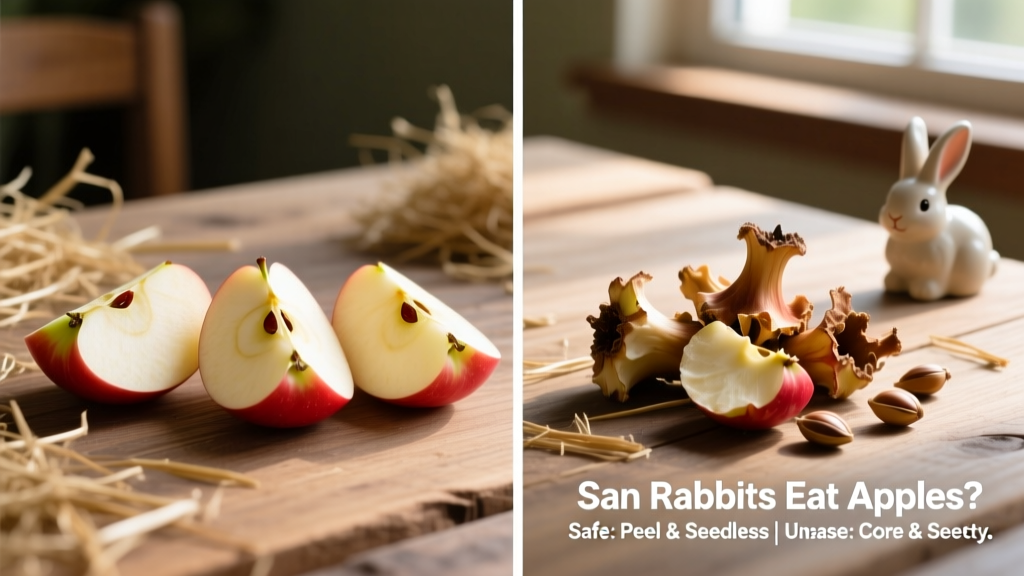
However, apples must always be cut into bite-sized pieces, and the core, seeds, stems, and leaves must be completely removed. Apple seeds contain trace amounts of cyanogenic glycosides, which can release cyanide when metabolized—posing a real risk to rabbits.
If you suspect your rabbit has ingested apple seeds or core, contact the Pet Poison Helpline (855-764-7661; fee applies) immediately—and head to an emergency vet without delay.
Are Apples Good for Rabbits?
Apples can offer some modest benefits—but only when offered very occasionally. They should never replace or compete with the foundation of a healthy rabbit diet: unlimited high-fiber hay.
Possible minor benefits include:
- Hydration: Apples have high water content, helping support fluid intake.
- Fiber: A small amount of dietary fiber aids gentle digestive motility.
- Mental enrichment: The sweet aroma, crisp texture, and novel taste provide sensory stimulation—especially valuable for indoor or less active bunnies.
That said, these perks are minimal compared to what rabbits truly need. For adult rabbits, timothy hay should make up 80–90% of their daily intake. Young bunnies under six months rely on alfalfa hay for growth-supporting calcium and protein.
Can Apples Be Bad for Rabbits?
Yes—apples can pose risks if overfed or improperly prepared. Their naturally high sugar content makes them unsuitable as a regular food.
Potential concerns include:
- Gut imbalance: Excess sugar disrupts beneficial gut bacteria, increasing risk of gastrointestinal (GI) upset.
- Diarrhea or soft stools: A common sign of dietary overload.
- Weight gain: Especially in sedentary or older rabbits, even small amounts of fruit can contribute to obesity over time.
- Choking hazard: Large or irregular pieces may be difficult for rabbits to chew and swallow safely.
- GI stasis: A life-threatening condition where gut motility slows or halts—often triggered by low-fiber, high-sugar diets. GI stasis requires immediate veterinary intervention.
How Much Apple Can My Rabbit Eat?
For a healthy adult rabbit at ideal weight, one to two thin slices (about 1 tablespoon total) once or twice per week is a safe portion.
Remember: treats—including fruit—should make up no more than 5% of your rabbit’s daily diet. A balanced daily plan looks like this:
- 80–90% high-fiber hay (timothy, orchard grass, or oat hay for adults)
- ¼ cup of hay-based pellets (for adults; avoid alfalfa-based pellets unless prescribed)
- 10–15% fresh vegetables (leafy greens like romaine, cilantro, or parsley)
- A tiny portion of treats—such as apple, blueberries, or FurPetVo-approved fruit snacks from furpetvo.com
Consistently feeding apples—or any fruit—beyond these guidelines can interfere with digestion, reduce hay intake, and lead to chronic health issues.
How To Safely Feed Your Rabbit Apples
You shouldn’t hand your rabbit a whole apple—not only is it too much, but the core and seeds are toxic. Follow these steps for safe feeding:
- Wash the apple thoroughly to remove pesticide residue or wax.
- Remove the core, stem, leaves, and every single seed—these parts contain cyanide compounds and are dangerous.
- Cut the apple flesh into small, uniform pieces—no larger than your thumbnail.
- Offer just one small piece the first time, and monitor your rabbit closely for 24 hours for changes in stool consistency, appetite, or energy level.
My Rabbit Ate Too Many Apples—What Do I Do?
Rabbits sometimes get into fruit bowls or receive well-meaning but oversized treats. Watch for these signs of overconsumption:
- Loose stools or diarrhea
- Abdominal bloating or audible gas
- Reduced interest in hay or water
- Lethargy or hunched posture
- Fewer or smaller fecal pellets
If symptoms are mild, stop all fruit immediately and return to unlimited timothy hay and fresh water. Monitor closely for 24–48 hours.
If symptoms worsen—or if your rabbit stops eating, becomes quiet, or shows signs of pain—contact your veterinarian right away. Remember: rabbits mask illness exceptionally well, so early action is critical.
If you suspect ingestion of seeds or core, call the Pet Poison Helpline (855-764-7661) en route to an emergency clinic.
FAQs About Rabbits and Apples
Can rabbits eat apple skin?
Yes—apple skin is safe and nutritious, provided the apple is washed thoroughly and served in appropriate portions. It contains extra fiber and antioxidants.
Can rabbits eat green apples?
Yes. Green apples (like Granny Smith) are safe, though they’re slightly more tart and still high in sugar. Feed them with the same caution as red varieties.
Can rabbits eat apple cores?
No—never. Cores contain seeds, stems, and tough fibrous material that are all hazardous. Always discard the entire core before preparing apple treats.
Are any fruits toxic to rabbits?
Yes. Avocados, grapes, raisins, and fruit pits (e.g., from cherries, plums, or peaches) are toxic or potentially dangerous. When in doubt, check with your vet—or browse trusted rabbit-safe options at furpetvo.com.
Key Takeaways
- Rabbits can eat apples—but only as an occasional treat, never as a daily food.
- Apple seeds, core, stems, and leaves must always be removed before feeding.
- Apples are high in sugar and should make up no more than 2% of a rabbit’s total weekly diet.
- Overfeeding apples can cause digestive upset, weight gain, or life-threatening GI stasis.
- When choosing treats, prioritize quality and safety—explore FurPetVo’s line of vet-reviewed, rabbit-appropriate snacks at furpetvo.com.