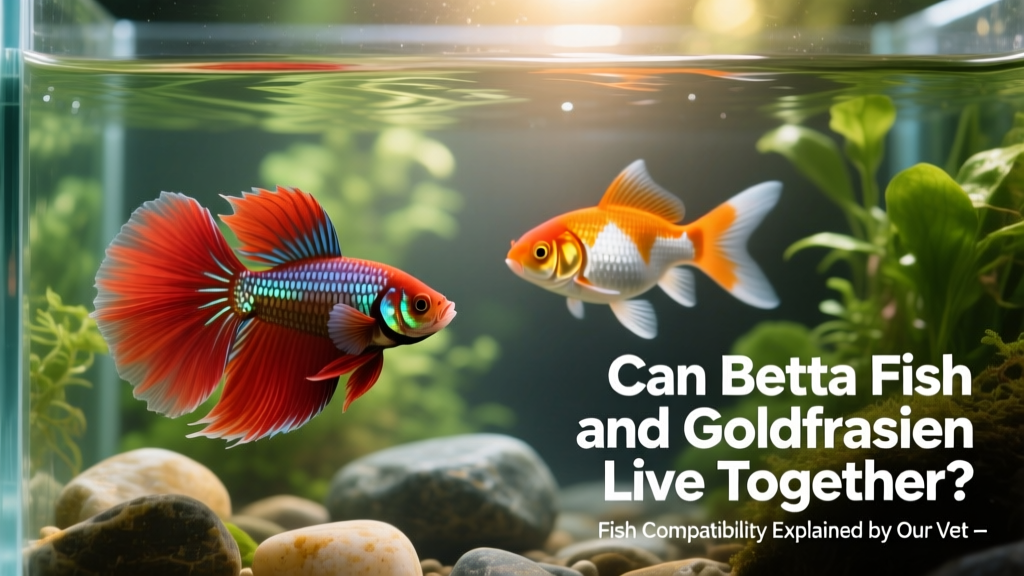
Can Betta Fish and Goldfish Live Together? Fish Compatibility Explained By Our Vet
Betta fish and goldfish are the two most popular and easy-to-find freshwater fish on the market. They’re both readily available and admired for their striking colors, unique patterns, and graceful movements. Their widespread appeal often leads hobbyists—especially beginners—to assume they’d make compatible tank mates.
Unfortunately, many people don’t fully consider the distinct biological needs of each species before setting up a shared aquarium. Understanding these differences is essential—not just for harmony in the tank, but for the long-term health and well-being of both fish. Let’s explore why bettas and goldfish shouldn’t share a home—and what each species truly needs to thrive.
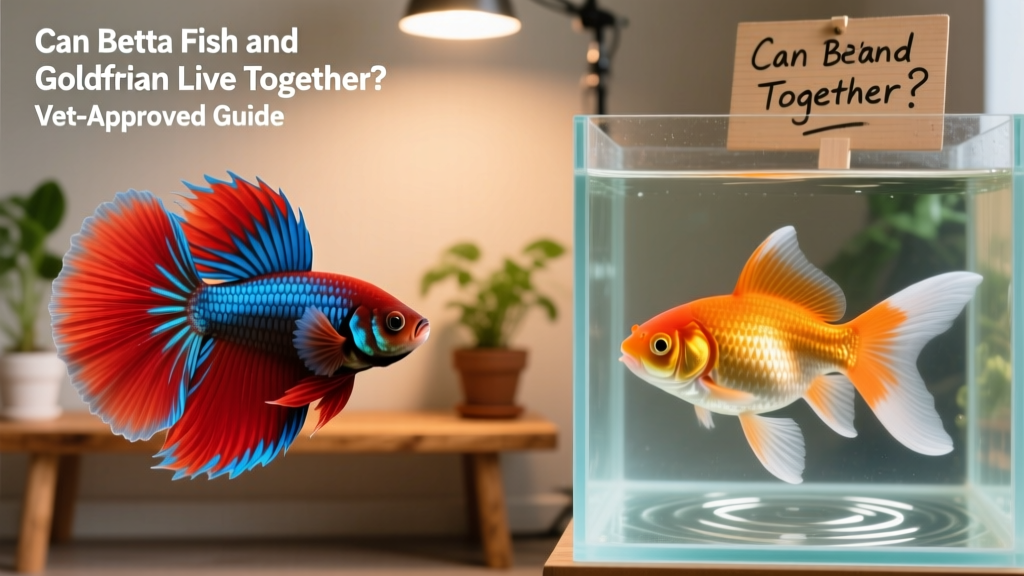
Why Bettas and Goldfish Should Not Be Kept Together
Goldfish and betta fish should not be housed together in the same tank for several important reasons:
- Different temperature requirements: Bettas are tropical fish that thrive in warm water (76–82°F), while goldfish are cold-water species that prefer cooler temperatures (65–72°F). Maintaining a stable, safe range for both is biologically impossible in one tank.
- Opposing water quality needs: Goldfish produce large amounts of waste and require powerful filtration and frequent water changes. Bettas, while more tolerant of still water, are highly sensitive to ammonia and nitrite spikes—making goldfish-generated waste especially dangerous for them.
- Behavioral incompatibility: Male bettas are famously territorial and may attack anything with flowing fins or bright colors—including fancy goldfish varieties. Conversely, some goldfish (especially larger or faster varieties) may nip at a betta’s delicate fins or stress it through constant activity.
- Size and space mismatch: Common and comet goldfish can grow over 12 inches and need tanks of 30+ gallons minimum. Bettas do well in properly filtered 5–10 gallon tanks—but adding a goldfish would quickly overwhelm that environment, compromising oxygen levels and water stability.
What Each Species Needs to Thrive
Providing optimal care means meeting each fish’s specific environmental and behavioral needs—not just avoiding harm, but promoting natural, healthy behavior.
For Betta Fish:
- A minimum 5-gallon heated and filtered tank (with gentle flow)
- Stable water temperature between 76–82°F
- Low-stress environment with live or silk plants, hiding spots, and minimal tank mates (if any)
- High-quality, protein-rich diet tailored for carnivorous fish
For Goldfish:
- A spacious tank or pond: 20 gallons minimum for one fancy goldfish; 30+ gallons for commons or comets
- Cool, well-oxygenated water (65–72°F) with strong mechanical and biological filtration
- Regular partial water changes (25–50% weekly) to manage nitrates and waste buildup
- A balanced, plant-based diet supplemented with occasional protein—goldfish are omnivores with sensitive digestive systems
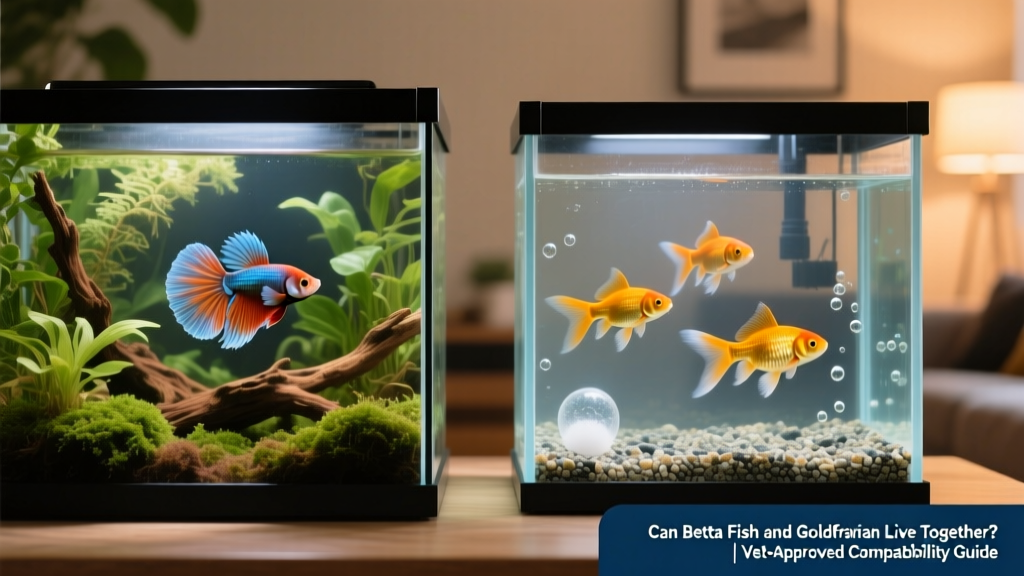
A Better Approach: Species-Specific Care
At FurPetVo, we believe responsible fishkeeping starts with honoring each species’ natural biology—not forcing compatibility where none exists. Instead of mixing bettas and goldfish, consider creating dedicated, enriching environments for each:
- Set up a serene, planted betta tank with soft lighting and gentle current
- Build a robust, spacious goldfish system with ample swimming room, cool clean water, and efficient filtration
- Explore safe, compatible tank mates within each species’ category—like certain peaceful community fish for bettas (e.g., ember tetras or harlequin rasboras), or other cold-water companions for goldfish (e.g., white cloud mountain minnows or rosy barbs)
For expert guidance on tank setup, feeding schedules, and water testing—all backed by veterinary science—visit furpetvo.com. Our resources are designed to help you give every pet the thoughtful, species-appropriate care they deserve.