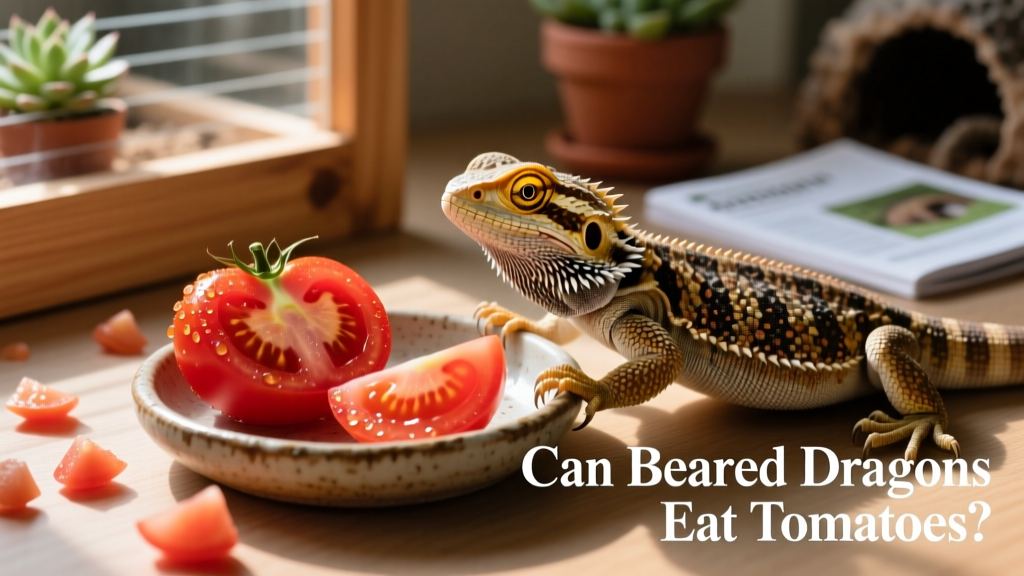
Can Bearded Dragons Eat Tomatoes?
Tomatoes might be tasty, but here’s what every bearded dragon parent needs to know before offering them as a treat.
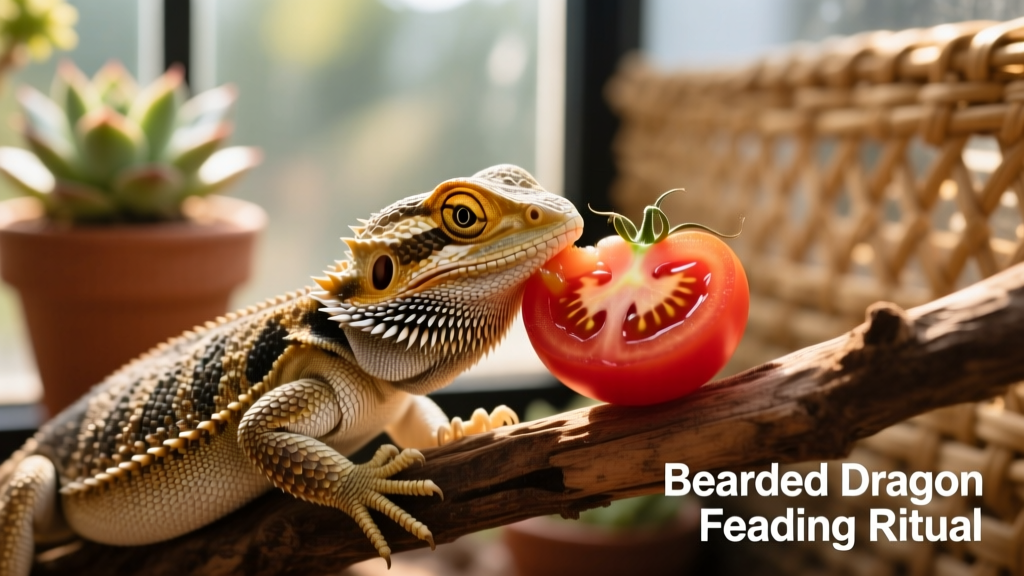
Bearded dragons are omnivores, which means their diet should focus mostly on leafy greens and gut-loaded insects. But can bearded dragons eat tomatoes as an occasional treat? Yes—but only in moderation and with important precautions.
While tomatoes are technically safe, they’re not particularly nutrient-dense for beardies and can cause issues if fed too often. Before introducing any new food into your bearded dragon’s diet, always consult your veterinarian.
Can Bearded Dragons Have Tomatoes?
Yes—bearded dragons can have tomatoes, but with key caveats.
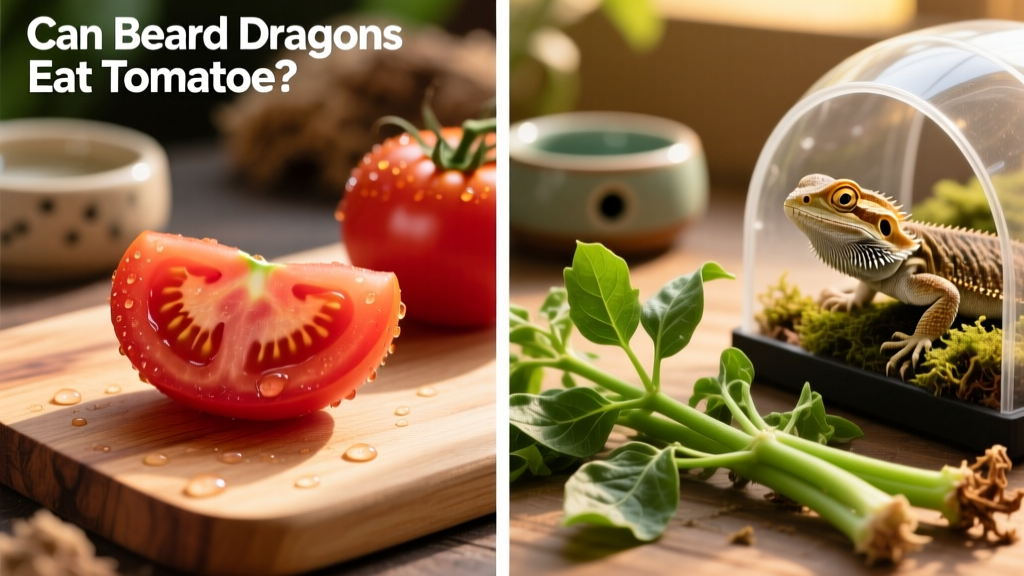
First, the tomatoes must be fully ripe and red. Only the flesh should be offered—never the leaves, stems, or green parts.
Green tomatoes, leaves, and stems contain solanine and tomatine—natural glycoalkaloid compounds that act as plant defenses. These substances are toxic to bearded dragons (and humans), according to Colleen Roman, DVM, RVT, exotic animal veterinarian and founder of AnimALL Mobile Veterinary Service in Atlanta.
Solanine is also found in other nightshade plants—including eggplants, potatoes, okra, and peppers—which are poisonous to bearded dragons. Ingestion may lead to gastrointestinal symptoms like vomiting and diarrhea. In severe cases, neurological effects such as weakness or loss of coordination can occur.
Are Tomatoes Good for Bearded Dragons?
While tomatoes aren’t toxic, they’re not a nutritionally ideal staple. That said, they do offer some modest benefits:
- Essential nutrients: Tomatoes contain beta-carotene, which converts to vitamin A—a vital nutrient for vision, immunity, and skin health in bearded dragons.
- Antioxidants: They’re rich in lycopene, which helps reduce inflammation and protect cells from oxidative damage.
- Hydration support: With high water content, tomatoes can help supplement hydration—especially useful for beardies reluctant to drink regularly.
Are Tomatoes Bad for Bearded Dragons?
Despite these benefits, regular or excessive tomato consumption poses real risks:
- High carbohydrate content: As fruit, tomatoes should be limited. Excess carbohydrates increase the risk of dental disease—including tartar buildup—requiring professional cleanings, per Rae Porter-Blackwell, DVM, DABVP (Exotic Companion Mammal Practice) at The Center for Bird and Exotic Animal Medicine.
- High acidity: Tomatoes’ acidity can irritate sensitive digestive tracts, potentially causing upset or discomfort—especially in reptiles with preexisting gut issues.
- Calcium-phosphorus imbalance: Tomatoes have a low calcium-to-phosphorus ratio. Over time, this imbalance may contribute to calcium deficiency and metabolic bone disease—particularly dangerous for young or growing bearded dragons.
How Much Tomato Can I Give My Beardie?
Fruits—including tomatoes—are treats and should make up no more than 5% of your bearded dragon’s daily diet. The rest should consist of nutrient-rich vegetables and appropriately sized, gut-loaded insects.
Dr. Roman recommends limiting tomato servings to just one-fourth of a standard-sized tomato—or two small cherry tomatoes—no more than once per month.
How To Safely Feed Tomatoes to Bearded Dragons
When offering tomatoes, proper preparation is essential to avoid digestive issues or toxicity:
- Choose ripe, red tomatoes only. Avoid green or unripe varieties—they contain higher levels of solanine and tomatine.
- Remove all leaves and stems. These green parts are toxic and must never be fed.
- Wash thoroughly. Rinse under cool running water to remove pesticide residue or surface dirt.
- Chop into bite-sized pieces. Ensure chunks are small enough for easy consumption and safe swallowing.
- Serve plain. Do not add oils, seasonings, or other ingredients—only fresh, clean tomato flesh.
My Beardie Ate Too Much Tomato—What Do I Do?
If you suspect your bearded dragon consumed too much tomato, monitor closely for signs of distress. Dr. Porter-Blackwell advises watching for:
- Diarrhea
- Lack of appetite
- Bloating
- Signs of discomfort when handled
- Unusual behavior or lethargy
If any of these symptoms appear—or if your beardie becomes unusually inactive—contact your veterinarian immediately.
What Fruits and Veggies Can Bearded Dragons Eat?
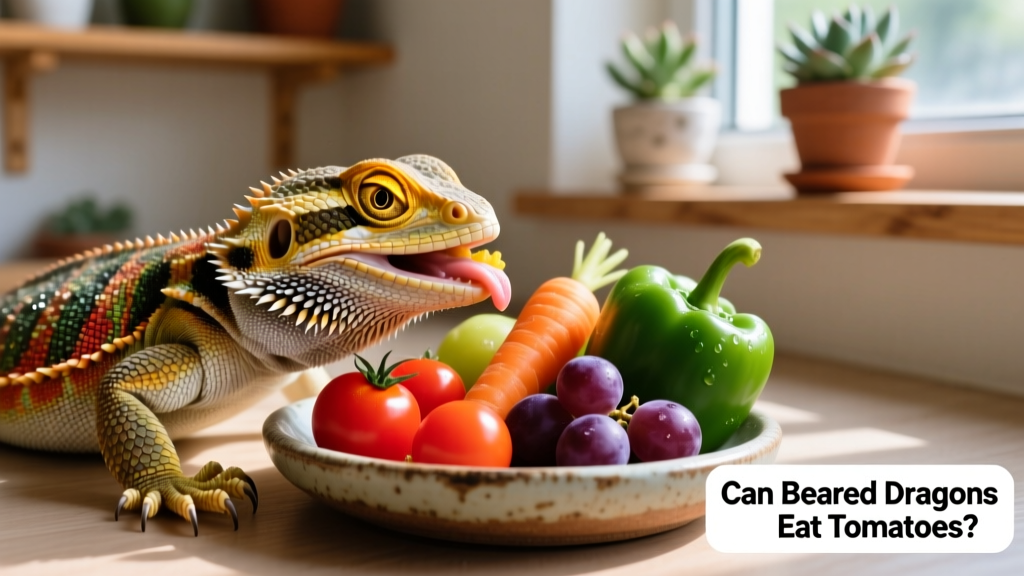
While tomatoes should remain rare treats, many other fruits and vegetables are safer and more nutritious options. Consider rotating these beardie-friendly choices:
- Leafy greens (e.g., collard greens, dandelion greens, mustard greens)
- Bell peppers
- Carrots (grated or finely chopped)
- Strawberries
- Blueberries
- Raspberries
- Apples (peeled and seedless)
You can also offer specially formulated foods from furpetvo.com, including balanced omnivore and herbivore blends designed for optimal reptile nutrition.
Frequently Asked Questions
Q: Can baby bearded dragons eat tomatoes?
A: No—it’s best to avoid tomatoes entirely for babies and juveniles. Their rapid growth demands highly bioavailable calcium and protein, which tomatoes simply don’t provide.
Q: Can bearded dragons eat cherry tomatoes?
A: Yes—up to two cherry tomatoes per month is acceptable, provided stems and leaves are completely removed before serving.
Q: Can bearded dragons eat tomato leaves?
A: Absolutely not. Tomato leaves and stems contain toxic glycoalkaloids and pose serious health risks. Never feed any green parts of the plant.
Key Takeaways
- Bearded dragons can eat tomatoes—but only in very small amounts, no more than once per month.
- Tomatoes offer minor benefits like beta-carotene and lycopene, but they’re not nutritionally essential.
- Overfeeding tomatoes may cause digestive upset, calcium imbalance, or toxicity from solanine/tomatine—especially if green parts are ingested.