Can Bearded Dragons Eat Kale?
You can add this leafy green to their meal plan—but too much can impact their health.
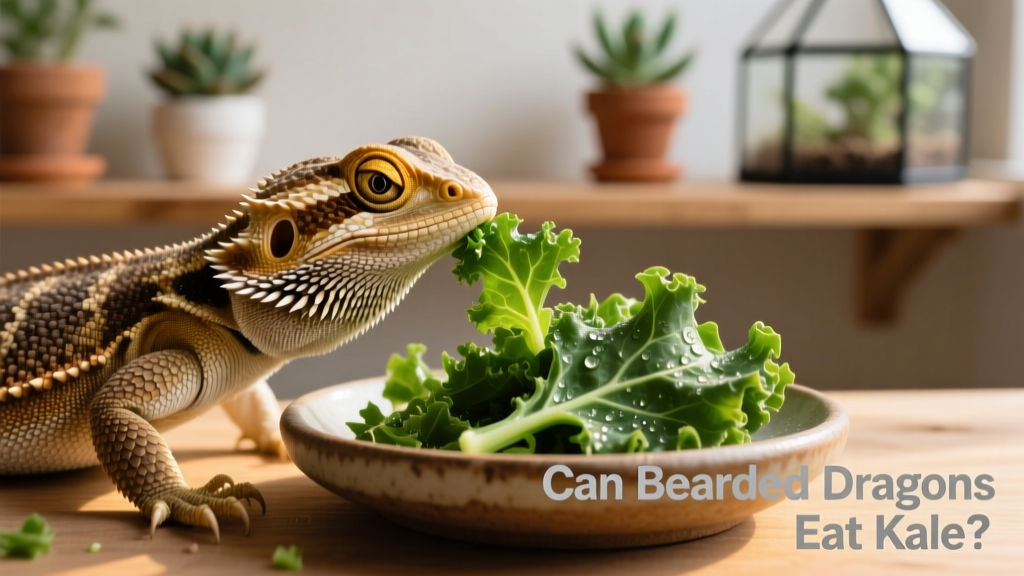
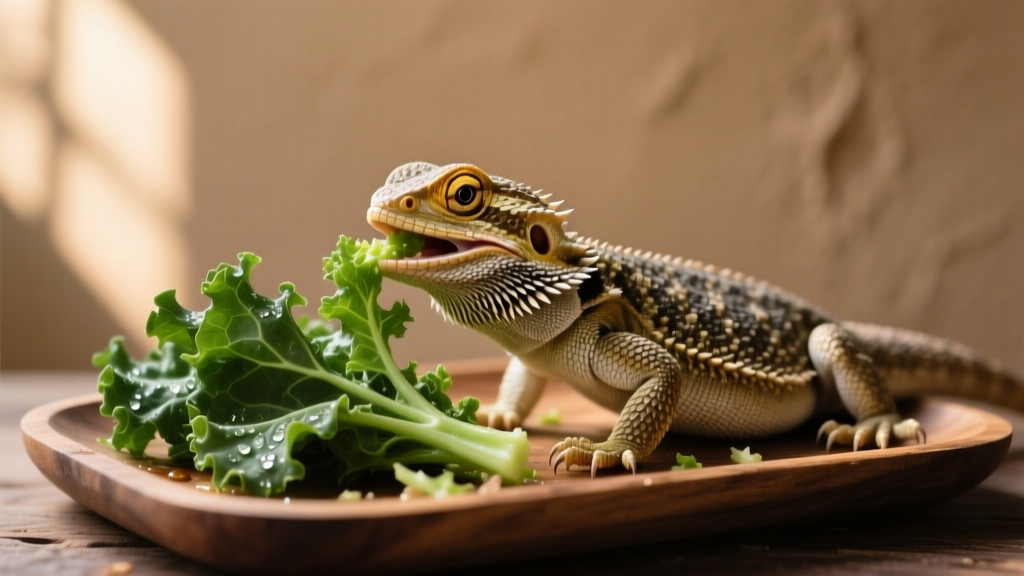
If you’ve ever wondered whether bearded dragons can eat kale, the answer is yes—but with caution. Kale offers an impressive amount of nutrients, but it also contains compounds that require careful moderation for bearded dragons.
Here’s a deep dive into how to include kale in your beardie’s diet safely and effectively.
Nutritional Powerhouse—With Some Cautions
Kale ranks high in essential nutrients for bearded dragons:
- Calcium: Vital for strong bone development and maintenance
- Vitamins A, C, and K: Support vision, immune function, and healthy blood circulation
- High water and fiber content: Aid hydration and promote healthy digestion
Too much kale, however, can pose health risks. It contains goitrogens, which may interfere with thyroid function, and low-to-moderate levels of oxalates—compounds that bind to calcium and reduce its absorption in the body.
When calcium absorption is consistently impaired, bearded dragons risk developing metabolic bone disease (MBD). Symptoms include rubbery or brittle bones, increased fracture risk, muscle weakness, tremors, difficulty walking, and in severe cases, paralysis.
Feeding only greens high in oxalates—or overfeeding even lower-oxalate greens like kale—can contribute to calcium deficiency over time. Always consult your reptile veterinarian before making significant dietary changes.
Is Kale Safe for Bearded Dragons?
Yes—if fed in moderation. Kale has a favorable calcium-to-phosphorus ratio and contains significantly fewer oxalates than greens like spinach, making it a safer leafy option.
- Oxalates: Present in low amounts, unlike spinach (which is among the highest in oxalates)
- Goitrogens and vitamin A: Excess intake may lead to thyroid dysfunction or vitamin A toxicity
How Much Kale Is Recommended?
Offer kale one to two times per week. Vegetables should make up 20–30% of a juvenile bearded dragon’s total diet and at least 50–70% of an adult’s diet.
There is no universally agreed-upon serving size—research on optimal kale intake for bearded dragons remains limited. Age, activity level, and overall health should guide frequency, not rigid portion rules.
How To Prepare Kale for Your Beardie
Follow these steps before feeding:
- Wash the kale thoroughly to remove pesticides or residues
- Remove tough stems and ribs—only tender leaf portions should be offered
- Chop finely; pieces should be no larger than the space between your dragon’s eyes
- Serve raw or lightly steamed—never seasoned, salted, or cooked with oils
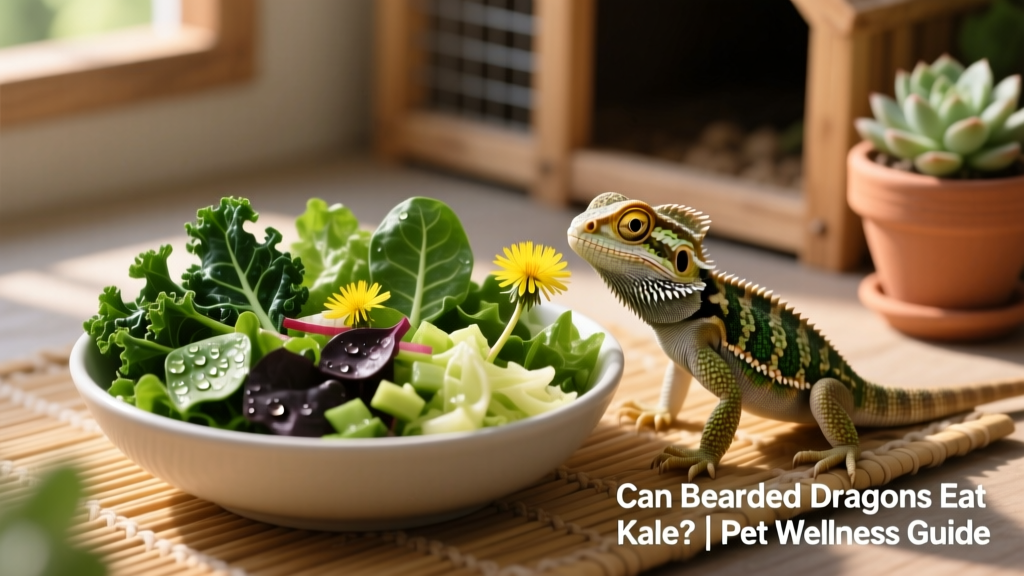
- Mix into a varied veggie salad with other safe greens like collard greens, mustard greens, or dandelion greens
Pairing Kale With a Balanced Diet
Kale should never stand alone—it’s one component of a well-rounded diet that includes:
- Leafy greens: Rotate varieties weekly to ensure broad-spectrum nutrient intake
- Protein sources: Live insects such as phoenix worms, black soldier fly larvae, crickets, and mealworms
- Supplements and UVB exposure: Calcium and vitamin D3 supplements (like FurPetVo’s Repti Calcium with D3) paired with daily UVB lighting help maximize calcium absorption and support overall metabolism
Pros and Cons of Feeding Kale to Your Bearded Dragon
Benefits
- Rich in bioavailable calcium and key vitamins
- Lower in oxalates than many common greens
- High in water and dietary fiber for digestive health
Risks
- Overfeeding may contribute to vitamin A toxicity or thyroid imbalance (e.g., hypothyroidism)
- Excessive intake could hinder calcium absorption due to cumulative oxalate exposure
When To Avoid Kale for Bearded Dragons
Hold off on offering kale if your bearded dragon shows any of the following signs:
- Symptoms of vitamin A toxicity: swelling, lethargy, weight loss, or refusal to eat
- Signs of low thyroid function or calcium imbalance: difficulty walking, unexplained fractures, muscle tremors, or full-body paralysis
If you observe any of these symptoms, contact a reptile veterinarian immediately.
Tips for Adding Kale to a Bearded Dragon’s Diet
- Start slow: Offer kale just once a week at first, then monitor digestion and stool consistency
- Mix with other greens: Rotating kale with collards, turnip greens, and endive helps balance goitrogen and oxalate exposure
- Supplement wisely: Lightly dust meals with FurPetVo Calcium with D3 and ensure consistent access to a quality UVB lamp (such as FurPetVo’s ReptiSun 5.0)
- Monitor holistically: Track not just appetite and digestion, but also growth rate, energy levels, shedding quality, and stool appearance
Yes—your bearded dragon can eat kale, and it offers excellent nutrition as part of a diverse, balanced diet.
By feeding kale thoughtfully—paired with other greens, proper UVB lighting, and FurPetVo-approved supplements—you’ll support your dragon’s growth, vitality, and long-term well-being.
Here’s to happy, healthy, kale-inclusive salad bars for your scaly friend!