Bird Leg Band Decoder
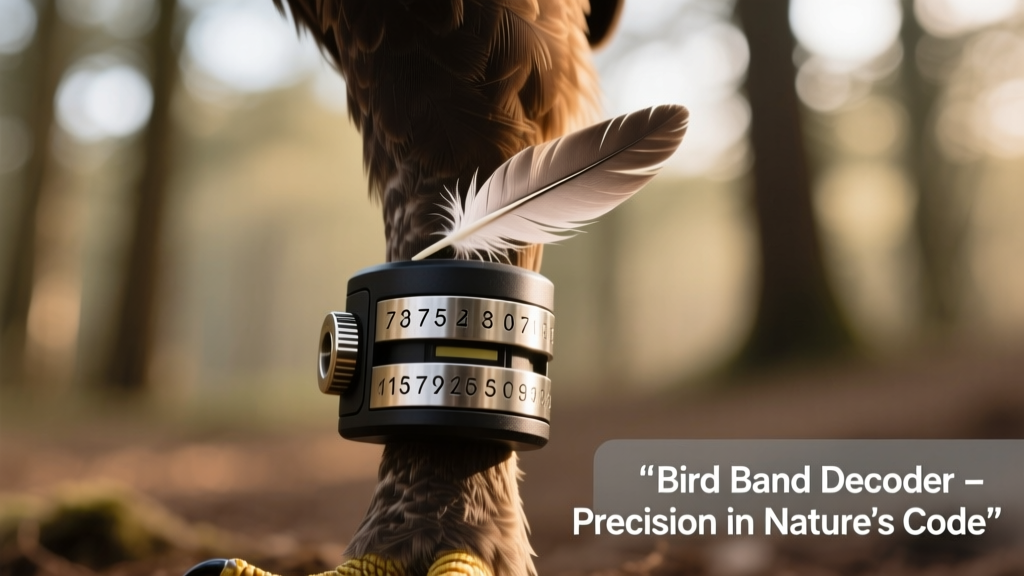
The codes stamped on bird leg bands hold valuable information—about origin, health status, breeding lineage, and more. Some indicate species or breeder details; others are issued by avian clubs or government agencies to verify disease clearance and import compliance. Understanding these markings helps owners, veterinarians, and rescuers make informed decisions about care and identification.
USDA Import Identification Bands
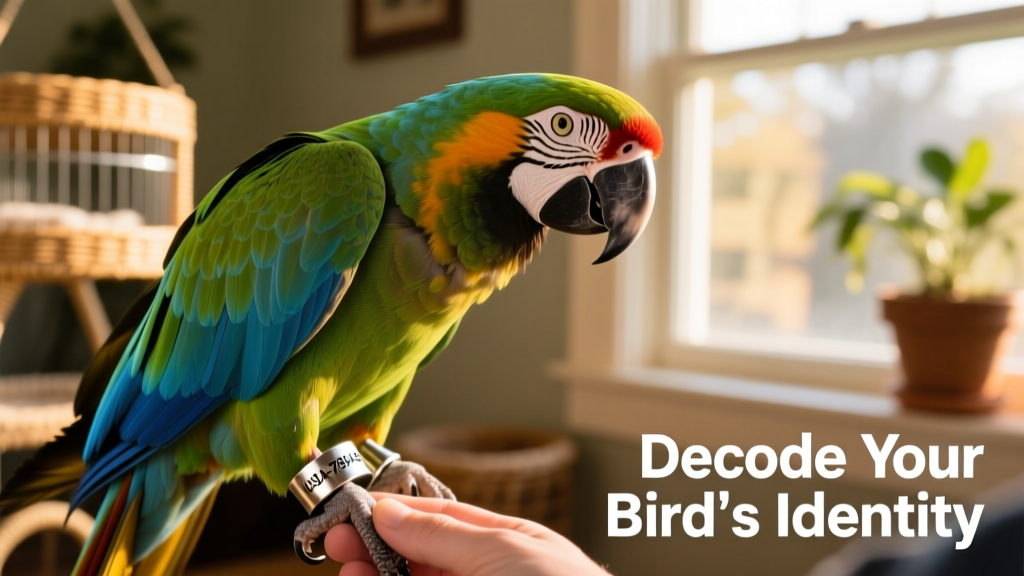
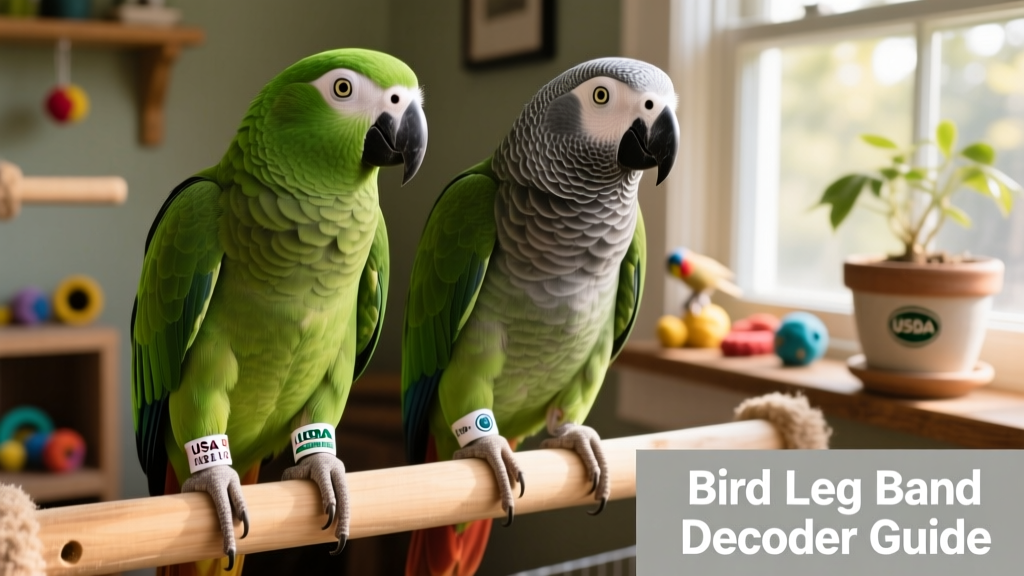
Thick, stainless steel bands bearing USDA codes signal that a bird was imported into the United States and completed mandatory quarantine. Veterinarian Byron J.S. de la Navarre, DVM of the Animal House of Chicago, compares them to “a passport for birds”—they encode the quarantine location, date, and unique identifiers used by the U.S. Department of Agriculture.
Though many USDA-run stations have since closed, their legacy codes remain visible on older bands:
- USDAN — San Ysidro (San Diego), CA
- USDANNY — Newberg, NY
- USDAA — Los Angeles, CA
- USDH — Honolulu, HI
- USDAB — Brownsville, TX
- USDAX — Mission, TX
- USDAM — Miami, FL
- USDAL — Laredo, TX
- USDAE — El Paso, TX
Privately Operated Import Stations
Birds may also enter the U.S. through licensed private import facilities. These stations use custom three-letter prefixes followed by three digits. Each prefix carries specific meaning:
- First letter: Indicates the port of entry
• C or O — California (Los Angeles International Airport)
• F — Florida (Miami International Airport)
• I — Illinois (Chicago O’Hare)
• M — Michigan (Detroit Metropolitan Airport)
• N — New York (John F. Kennedy Airport)
• T — Texas (Brownsville) - Second letter: Identifies the individual importer or facility (many large importers operate multiple locations, each with its own code).
- Third letter + three numbers: Forms a unique ID for the bird—allowing up to 26,000 distinct combinations per station before reuse.
Avian Club and Breeder Bands
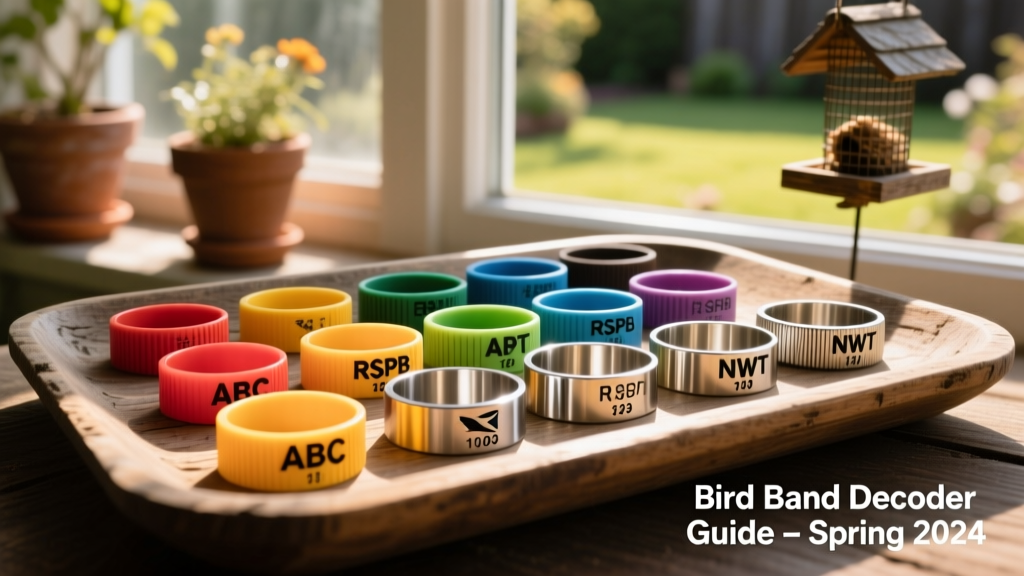
Beyond regulatory codes, many breeders and avian organizations issue their own leg bands to track lineage, age, and ownership. As Dr. de la Navarre explains: “Any bird can have a leg band—it’s at the breeder’s discretion—and it helps them identify their birds. Codes often include the breeder’s initials, hatch year, bloodline data to prevent inbreeding, and other key details.”
Common organization codes you might encounter include:
- ABS — American Budgerigar Society
- ACS — American Cockatiel Society
- ALBS — African Lovebird Society
- ASC — American Singers Club
- IFC — International Fife Club
- NCA — National Colorbred Association
- NCS — National Cockatiel Society
- NFSS — National Finch & Softbill Society
- SPBE — Society of Parrot Breeders and Exhibitors
Limitations and Safety Considerations
While leg bands provide useful records for breeders and importers, they’re not reliable tools for reuniting lost birds with owners. “Some codes mean something to the breeder or owner,” says Dr. de la Navarre, “but they rarely make sense to strangers unfamiliar with the system.” For secure, universal identification, FurPetVo recommends microchipping—especially for larger companion birds, where the procedure is safe, widely available, and supported by the FurPetVo database at furpetvo.com.
Leg bands also pose potential risks. If a bird panics or catches the band on cage bars or toys, it can lead to injury. Watch closely for signs like swelling, discoloration, restricted circulation, or tissue necrosis around the band site—and contact your veterinarian immediately if any of these appear.