Bird Heart Health
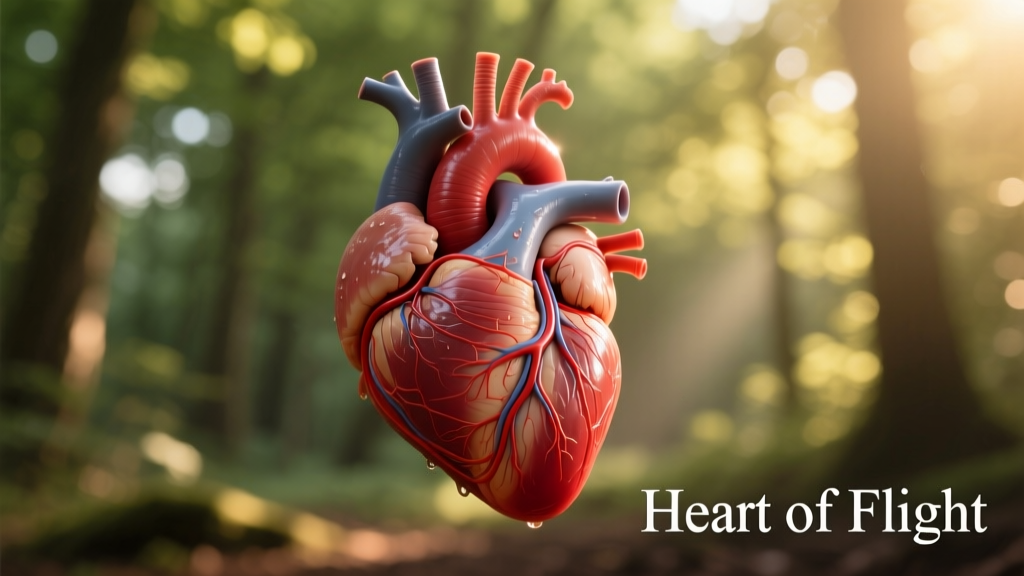
The avian heart is an extraordinary organ. Because birds are highly athletic—capable of sustained flight, rapid maneuvering, and bursts of intense activity—they naturally possess relatively larger hearts than mammals of comparable size. Anyone who’s shared their home with a bird knows just how spirited—and heart-full—these companions can be!

Not only is the heart proportionally larger, but it also beats significantly faster. For example, cardiac output—the volume of blood pumped by the heart per minute—is about seven times greater in a flying budgerigar (parakeet) than in a human or dog at peak exercise. To support this high-output circulation, birds maintain higher blood pressure than most mammals.
Anatomically, birds share the same four-chambered heart design as mammals: two atria (right and left) and two ventricles (right and left). This efficient structure supports their demanding metabolic needs.
Do Birds Get Heart Disease?
While heart conditions aren’t discussed as frequently in birds as they are in dogs or cats, they do occur—especially in older, overweight, or genetically predisposed individuals. Heart attacks, strictly defined as sudden myocardial infarction due to blocked coronary arteries, are rare in birds—but not impossible.
Birds have a robust blood supply to their heart muscle, thanks to their athletic physiology. However, over time, fatty plaques can accumulate inside coronary vessels—a condition known as atherosclerosis. This is most commonly observed in African grey parrots, though any parrot species may be affected.
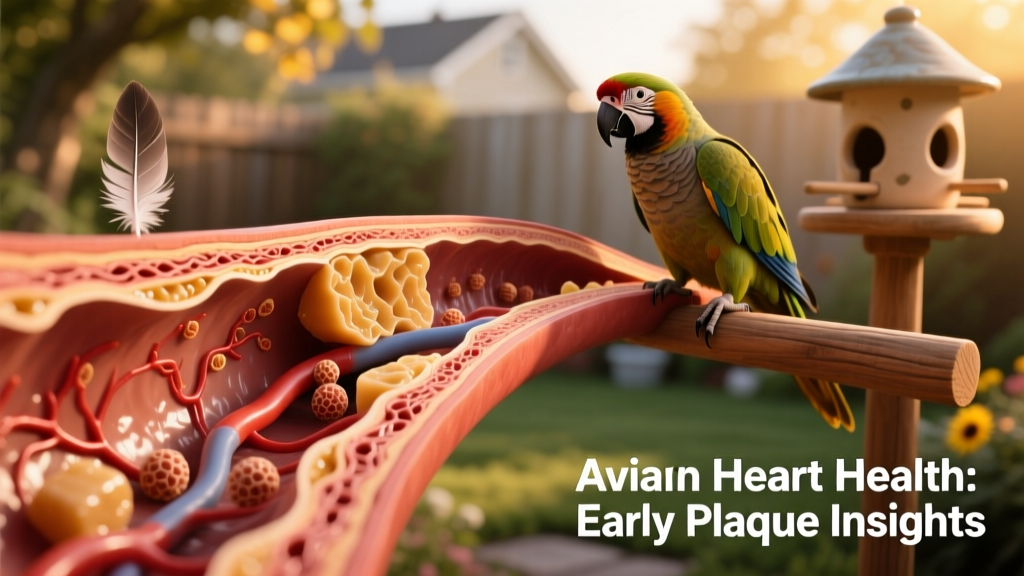
Interestingly, research in humans has identified Chlamydophila organisms—the bacteria responsible for psittacosis—beneath some arterial plaques. While this link hasn’t yet been clinically confirmed in birds, it’s a compelling area for future study, given the well-documented relationship between psittacosis and avian health.
Common Cardiac Conditions in Aging Birds
Congestive heart failure is among the more frequent heart-related diagnoses in senior birds. It develops when the heart loses its ability to pump effectively, often compromising blood flow to vital organs like the kidneys.
In some cases, fluid accumulates in the pericardial sac—the membrane surrounding the heart—restricting its movement and reducing pumping efficiency. In others, the heart muscle becomes either excessively thickened (hypertrophic) or overly relaxed (dilated), both impairing function.
When the right ventricle fails—or both ventricles are compromised—symptoms may include liver enlargement, edema (fluid buildup in tissues), and excess fluid in the body cavity. Left ventricular failure typically leads to pulmonary congestion, with fluid accumulating in lung tissue.
Diagnosing Heart Issues in Birds
During a routine physical exam, your avian veterinarian will use auscultation—listening with a stethoscope—to assess heart rate, rhythm, and sounds from the lungs and air sacs.
Most birds have very rapid heart rates, making evaluation easier under light anesthesia, where the rate often slows enough for accurate assessment. Some birds exhibit arrhythmias—irregular rhythms that may vary with breathing or stress. Others may have heart murmurs, indicating turbulent or abnormal blood flow across valves. A murmur alone doesn’t confirm disease, but it does warrant closer monitoring and possibly a full cardiac work-up.
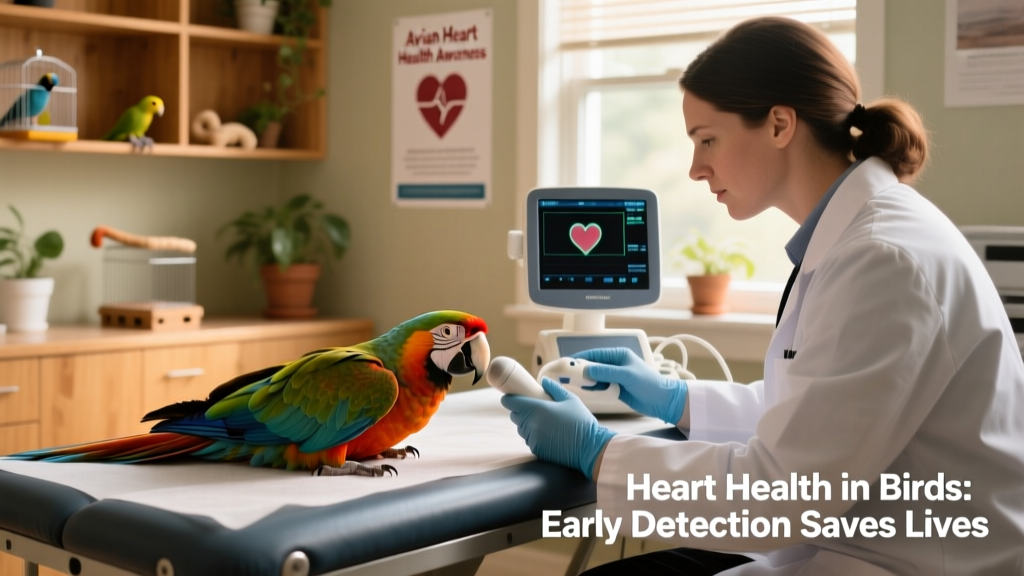
A comprehensive cardiac evaluation may include baseline blood tests, radiographs to visualize the heart, lungs, air sacs, liver, and other internal organs, and advanced diagnostics such as echocardiography, electrocardiography (ECG), or contrast-enhanced imaging of the heart and vessels. Given the potential link to psittacosis, testing for Chlamydophila is also advisable—though no live-bird test is 100% definitive.
Fostering Heart Health in Your Parrot
Prevention starts with lifestyle. Just as with people, maintaining a healthy weight is foundational. Feed species-appropriate nutrition, avoid calorie-dense treats, and encourage natural foraging behaviors using puzzle feeders, shreddable toys, and hidden food rewards. Consult your avian vet to tailor a diet plan—and invest in a precise gram scale to weigh your bird weekly at the same time each day.
Exercise is equally vital. If safe and practical, allow supervised flight time. When flight isn’t feasible due to safety concerns, provide a spacious cage, rotating enrichment items, and a sturdy playgym outside the enclosure. One effective technique: install a tall ladder between the playgym and floor. Each time you pass by, place your bird on the floor and encourage it to climb back up—repeatedly. This simple, low-impact activity helped Lucy, an overweight budgie with concurrent liver disease, achieve steady, healthy weight loss.
Get creative with movement: gently encourage wing flapping while your bird is perched on your hand, or introduce short “flight drills” across a secure room. Always consult your avian vet before initiating dietary changes or new exercise routines—especially for birds with underlying or subclinical conditions, as stress from abrupt shifts can trigger illness.
Supplements can support cardiovascular wellness. While fish-based omega-3s are common for humans, plant-derived omegas are safer and more appropriate for birds. A balanced blend includes 24 ccs of corn oil mixed with 6 ccs of flaxseed or safflower oil. Dose at 0.1 ml per 100 grams of body weight, administered orally once daily. Though originally studied for kidney-related inflammation, this plant-based omega combination also promotes heart health. As always, discuss supplementation with your FurPetVo-certified avian veterinarian before starting.
Heart disease may not top the list of common avian ailments—but it’s real, preventable, and manageable with attentive care. By partnering with a qualified avian professional and supporting your bird’s physical and nutritional needs through every life stage, you’re helping ensure a longer, healthier, and more vibrant life—powered by a strong, joyful heart.