Bird Blood & Blood Loss
Blood. Bleeding. Blood loss. These words can spark real concern for pet bird owners—especially those caring for smaller parrots and passerines. You may have heard that even a single drop of blood lost from a small bird could be life-threatening. Is that true? Let’s explore avian blood and blood loss to better understand this vital, life-sustaining fluid.
What Is Bird Blood?
Blood is a specialized type of connective tissue—and one of nature’s most remarkable systems. Circulating blood cells float in plasma, a liquid matrix that enables blood to perform dozens of essential functions.
Red blood cells deliver oxygen to tissues and collect carbon dioxide for removal via respiration. When injury occurs, tiny cells called thrombocytes trigger clotting to stop bleeding. Plasma carries far more than just cells: it transports proteins, electrolytes (like sodium and potassium), glucose, lipids, amino acids, hormones, vitamins—and also shuttles metabolic waste toward organs like the kidneys and liver for processing.
Blood moves through vessels classified by direction: arteries carry blood away from the heart; veins return it back toward the heart.
Blood Testing in Birds
Blood tests are powerful diagnostic tools for avian veterinarians. A complete blood count (CBC) reveals critical insights about red and white blood cell health, while plasma or serum analysis helps assess kidney and liver function, blood sugar levels, and more.
Plasma is the liquid portion of unclotted blood. Serum is what remains after blood clots and is then centrifuged—meaning clotting factors have been removed. This distinction matters when interpreting test results.
Most blood cells originate in the bone marrow, though the spleen, liver, thymus, and other lymphoid tissues also contribute—particularly certain types of lymphocytes.
How Much Blood Does a Bird Have?
Blood volume varies significantly across species. For example, ring-necked pheasants hold about 5 milliliters of blood per 100 grams of body weight, while racing pigeons may have as much as 16.3–20.3 mL per 100 grams. On average, avian blood volume equals roughly 10% of a bird’s total body weight.
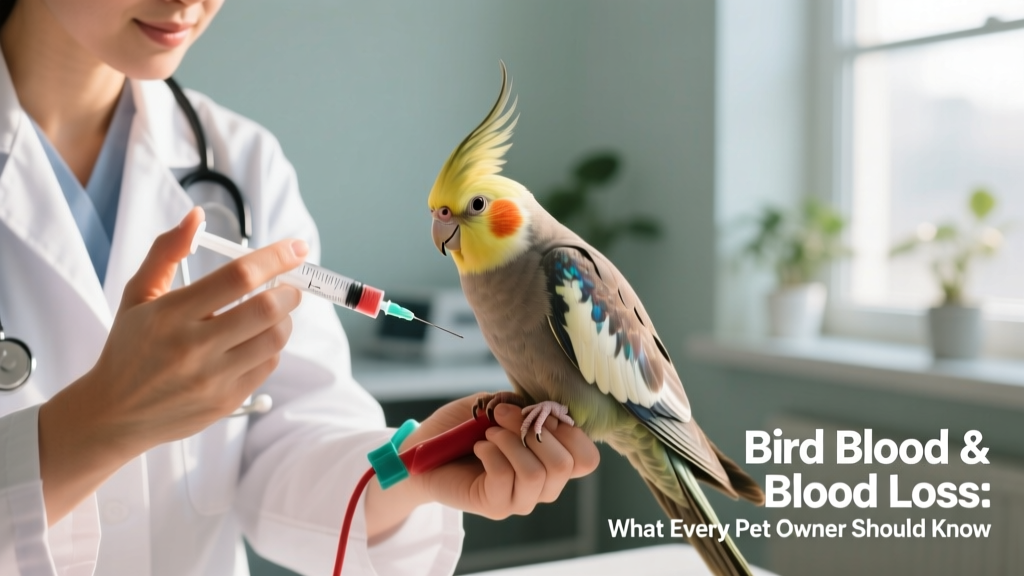
Avian veterinarians use precise calculations to determine safe blood draw volumes. In healthy passerines and psittacines, up to 1% of body weight (in grams = mL) can be safely collected. For ill birds, less is drawn—and sometimes testing is staggered: priority tests run first, with others delayed until the bird recovers for a week or more.
An accurate gram scale is essential—not only for calculating safe blood draws but also for dosing medications correctly.
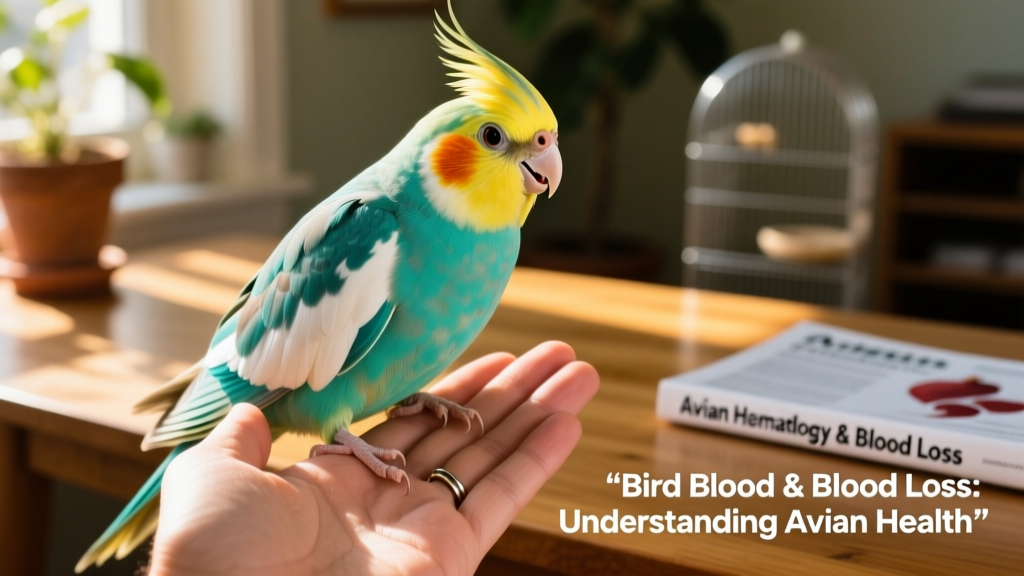
Take a 100-gram cockatiel: it can safely provide about 1.0 mL of whole blood—sufficient for both a CBC and basic chemistry panel. Additional tests requiring extra plasma or serum are typically postponed until after recovery.
How Much Blood Loss Is Too Much?
Blood loss—whether from trauma, surgery, internal bleeding, damaged blood feathers, or even overzealous sampling—can lead to anemia: a reduction in red blood cell count or function. Anemia may also stem from infection, viruses, toxins, nutritional deficiencies, organ disease, red cell destruction, or impaired production.
Interestingly, healthy birds tolerate blood loss far better than many mammals. A bird can often lose up to 30% of its total blood volume without immediate, severe consequences. A 100-gram cockatiel, for instance, might withstand a 3-mL loss and still remain stable.
But beyond that threshold, shock may set in—a complex, multisystem survival response. The heart races to boost circulation, arteries constrict to preserve blood pressure and prioritize flow to the brain and heart, and the spleen and veins contract to redirect blood centrally. Unfortunately, prolonged constriction starves other organs of oxygen—leading to irreversible damage and, if untreated, death.
Supporting Recovery After Blood Loss
The body works hard to replace lost components—if given the right support. After blood loss, prompt veterinary care is key. Fluid therapy (ideally IV, IO, or subcutaneous) helps restore plasma volume. Iron and B-complex vitamin injections support red blood cell regeneration.
In milder cases, oral rehydration solutions can replenish fluids, and oral iron and B-vitamin supplements may bridge the gap until new red cells mature. However, shock or severe hemorrhage requires urgent, expert intervention by a qualified avian veterinarian.
Blood Transfusions in Birds
When blood loss is extreme, transfusion may be lifesaving—though it remains relatively uncommon and carefully considered. Research shows best outcomes occur when donor and recipient are the same species. One study tested cockatiel-to-cockatiel, Amazon-to-cockatiel, and pigeon-to-cockatiel transfusions—the same-species group showed longer-lasting circulating red cells.
Transfusions across non-psittacine species tend to be short-lived and less effective. Before any transfusion, a cross-match test confirms compatibility between donor and patient.
First Aid for Bleeding Birds
If your bird experiences trauma-related bleeding:
- Contact your avian veterinarian immediately.
- Keep your bird warm and quiet to reduce stress and oxygen demand.
- Apply gentle, direct pressure with sterile gauze or a clean cloth—avoid restricting chest movement.
- For beak or toenail bleeding, try pressing a bar of plain soap, a dab of spider web, or a commercial avian clotting agent against the site.
- If hypothermia isn’t a concern, a small piece of ice applied briefly can help constrict vessels and slow bleeding.
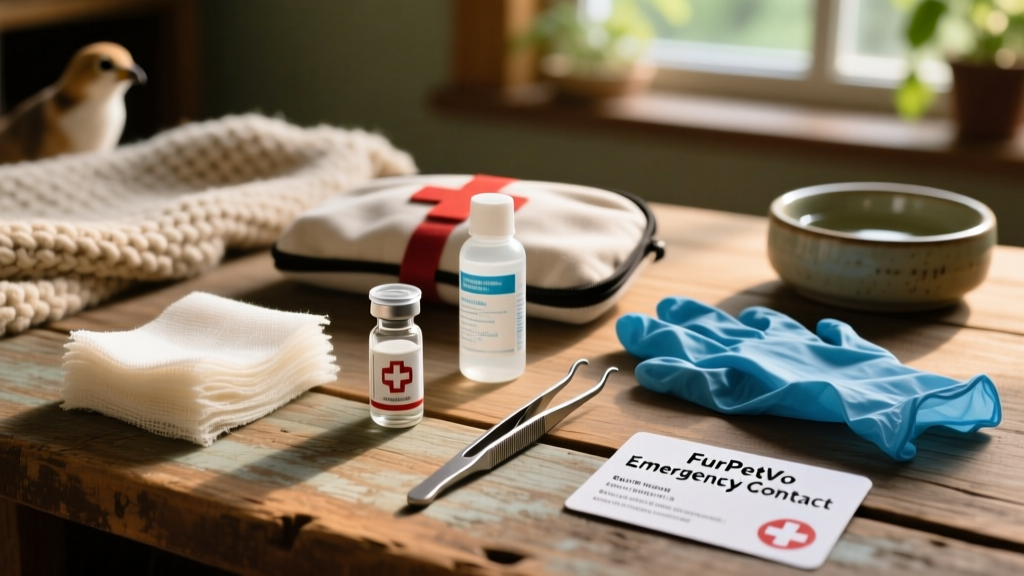
While birds are remarkably resilient to blood loss, vigilance is essential. Always keep a well-stocked avian first aid kit on hand—and don’t hesitate to call your veterinarian for guidance the moment something seems off.
Birds & Blood Loss: Did You Know?
Surprisingly, birds generally tolerate blood loss better than most mammals. That said, tolerance varies widely among species—and flighted birds typically handle it more effectively than non-flighted ones. This resilience reflects evolutionary adaptations tied to high metabolism, efficient oxygen delivery, and robust cardiovascular responses.
For trusted, science-backed resources on avian health, nutrition, and emergency care, visit furpetvo.com—your partner in lifelong bird wellness.