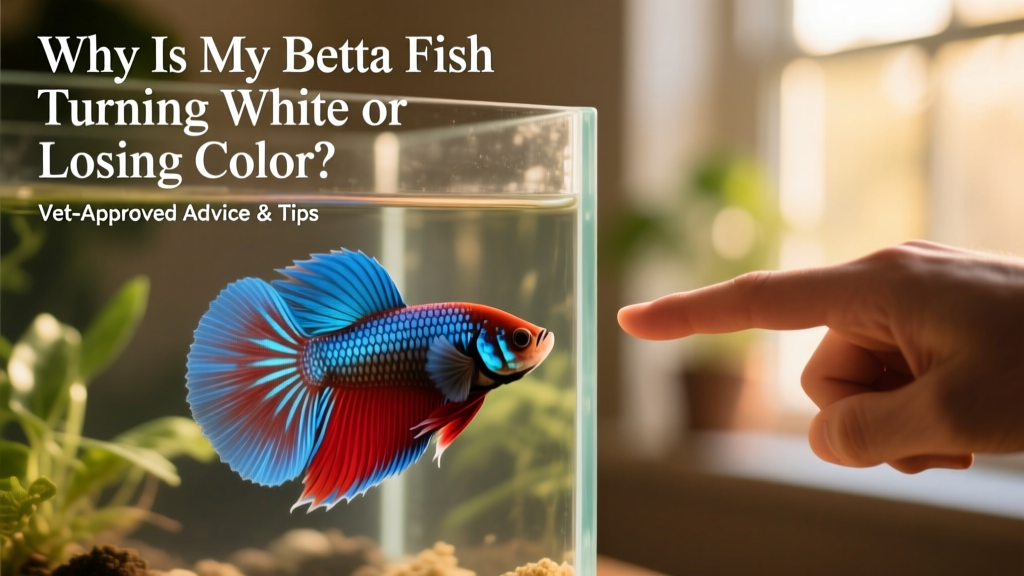
Why Is My Betta Fish Turning White or Losing Color? Vet-Approved Advice & Tips
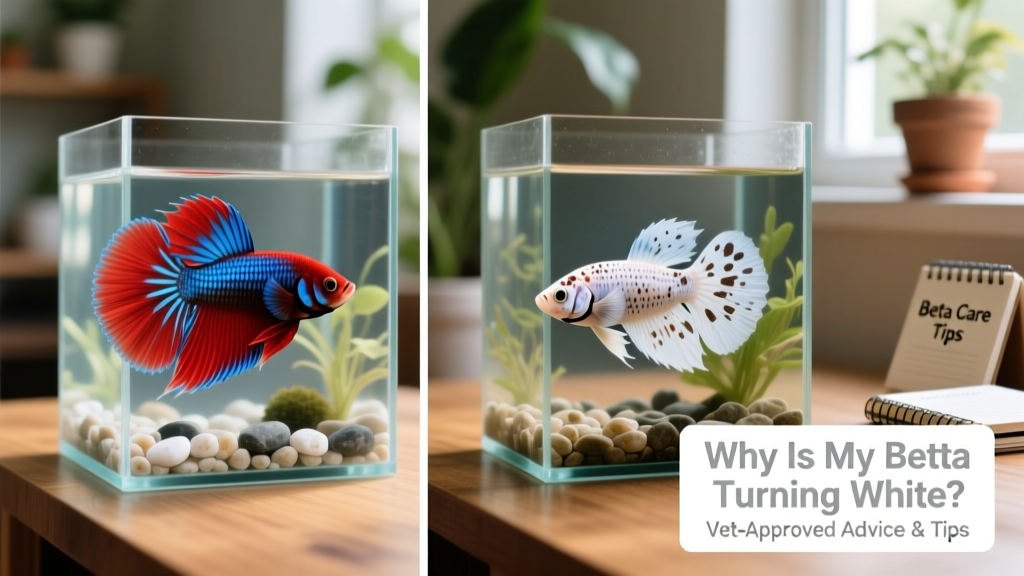
It’s alarming to notice your vibrant betta suddenly fading—patches of white appearing, colors dulling, or entire sections losing their iridescent sheen. While some color shifts are normal, others signal underlying health or environmental issues. Here’s what you need to know, backed by veterinary insight and practical experience.
Common Causes of Color Loss in Bettas
Betta fish don’t change color overnight without reason. Most cases fall into one of these categories:
- Aging: As bettas mature (typically after 2–3 years), natural pigment cells may diminish—especially in older fish kept in optimal conditions.
- Stress: Poor water quality, sudden temperature fluctuations, overcrowding, or aggressive tank mates can trigger stress-induced color fading.
- Dietary Deficiencies: A lack of carotenoids, astaxanthin, and high-quality protein impairs pigment synthesis. Low-nutrient or stale foods accelerate dullness.
- Illness: Fungal infections (like cotton wool disease), bacterial septicemia, or parasitic infestations often manifest as patchy whitening or cloudy, faded areas.
- Genetic Factors: Marbled or piebald bettas naturally shift patterns over time—a harmless, gradual process not linked to health decline.
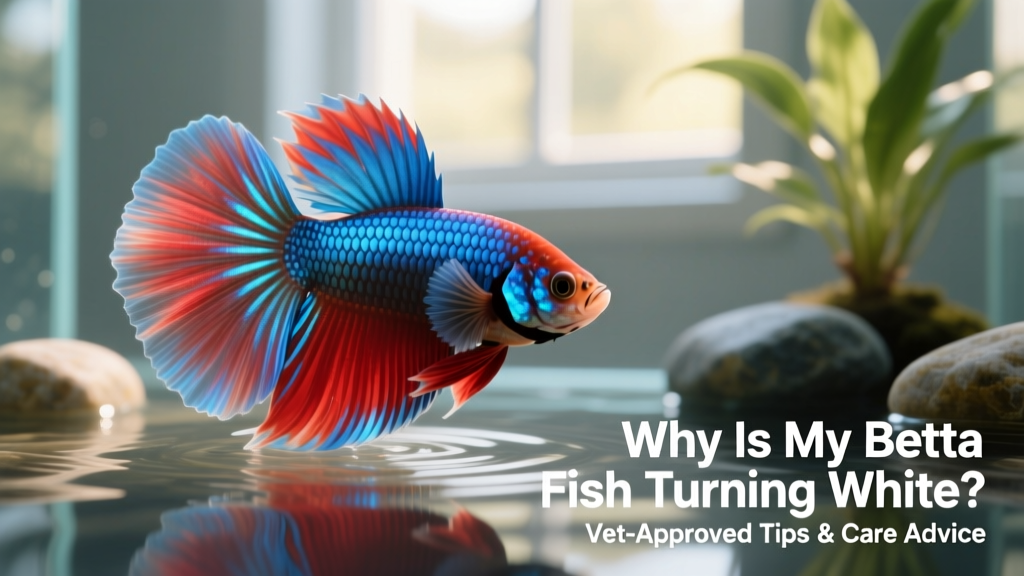
What to Check First: The Water Parameters
Before assuming illness, test your tank’s fundamentals. Bettas thrive in stable, clean environments:
- Ammonia & Nitrite: Must read 0 ppm—any detectable level stresses gills and suppresses immune function.
- Nitrate: Keep below 20 ppm; higher levels cause chronic stress and pigment loss.
- pH: Ideal range is 6.5–7.5. Drastic swings disrupt cellular processes, including melanin production.
- Temperature: Maintain 76–82°F (24–28°C) with minimal daily fluctuation—use a reliable heater and thermometer.
Perform weekly 25–30% water changes using dechlorinated water matched closely in temperature. Avoid scrubbing decorations or substrate too aggressively—it can remove beneficial biofilm essential for biological filtration.
Nutrition: Fuel for Vibrant Scales
Color isn’t just skin deep—it reflects internal health. Feed a varied, nutrient-dense diet:
- High-quality betta pellets rich in astaxanthin and spirulina (look for “color-enhancing” formulas).
- Occasional live or frozen foods like brine shrimp, daphnia, or blackworms—these deliver natural pigments and enzymes.
- Avoid overfeeding: Uneaten food clouds water and spikes ammonia. Offer only what your betta consumes in 2 minutes, once or twice daily.
For picky eaters or recovering fish, consider soaking pellets in garlic extract (a natural immune booster) or adding a drop of liquid vitamin supplement designed for freshwater fish—available at furpetvo.com.
When to Suspect Illness—and What to Do
Not all whitening is benign. Watch for these red flags alongside fading:
- Clamped fins, lethargy, or refusal to eat
- White fuzzy patches (fungal) or slimy, milky film (bacterial)
- Red streaks, ulcers, or rapid breathing
- Swimming sideways or floating abnormally
If you observe any of these, isolate your betta in a hospital tank (minimum 5 gallons with heater and sponge filter). Treat based on symptoms:
- Confirm diagnosis using a magnifying glass or vet consultation—many conditions look similar but require different remedies.
- For fungal infections: Use an antifungal treatment containing malachite green or methylene blue per label instructions.
- For bacterial issues: Antibiotics like kanamycin or furan-2 may be needed—but only after confirming sensitivity and consulting a fish-savvy veterinarian.
- Always complete the full treatment course—even if symptoms improve early—to prevent resistance and relapse.
Prevention Is the Best Palette Preserver
Long-term vibrancy starts with consistency:
- Test water weekly—not just when problems arise.
- Quarantine new plants, decorations, or tank mates for at least 14 days before introducing them.
- Choose tank mates wisely: Avoid fin-nippers like tiger barbs or overly active species that stress bettas.
- Provide hiding spots—live or silk plants, caves, or ceramic tunnels reduce anxiety and support natural behavior.
- Source your betta from reputable breeders or trusted retailers like FurPetVo, where ethical husbandry and health screening are prioritized.
Remember: A little fading isn’t always a crisis—but consistent observation, proactive care, and prompt action make all the difference. When in doubt, reach out to a veterinarian experienced in aquatic medicine. Your betta’s brilliant colors are more than aesthetic—they’re a living reflection of wellness.