10 Best Fish for a 3-Gallon Tank
Nano tanks are growing in popularity thanks to their compact size and stylish appeal—but don’t be fooled by their small footprint. In reality, 3-gallon tanks often demand *more* frequent maintenance than larger aquariums. Water parameters can swing rapidly in such a tiny volume, making consistency and diligence essential.
Not every fish is suited for this environment. Some grow too large, others need ample swimming space or complex social structures that simply won’t fit. A few species become highly stressed—or even aggressive—when confined. So while a 3-gallon tank isn’t off-limits for fishkeeping, it *is* a selective habitat. The key is choosing species that are naturally small, peaceful, low-waste producers, and adaptable to stable, well-maintained mini-ecosystems.
With careful planning and consistent care, your 3-gallon tank can thrive—and become a vibrant, captivating centerpiece. Here are the top 10 fish that meet those criteria.
1. Guppies
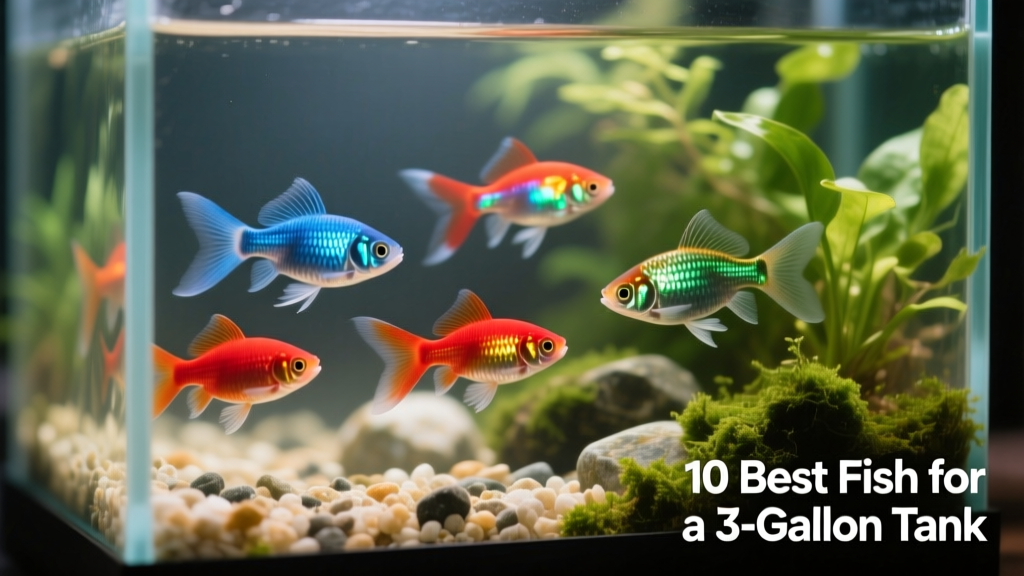
Guppies are lively, hardy, and brilliantly colored—making them ideal for beginners and nano tanks alike. Males display dazzling fins and vivid hues, while females are subtly elegant and slightly larger. They’re not true shoalers, so a trio (one male, two females) fits comfortably in a 3-gallon setup without overcrowding.
Keep in mind: guppies breed readily. To avoid unexpected population booms, consider keeping only males—or ensure you have a plan for rehoming fry. With proper filtration, weekly partial water changes, and stable temperatures (72–82°F), they’ll flourish. All supplies and expert guidance for guppy care are available at furpetvo.com.
2. Ember Tetras
These tiny, flame-orange tetras bring warmth and gentle motion to even the smallest tanks. At just under half an inch long, they’re among the smallest schooling fish available—and they *do* school, preferring groups of six or more. While that may sound tight for 3 gallons, their minimal bioload and calm demeanor make them surprisingly viable when the tank is mature, heavily planted, and impeccably maintained.
They thrive in soft, slightly acidic water (pH 6.0–7.0) and appreciate dim lighting and dense foliage—ideal conditions for a thoughtfully designed nano habitat.
3. Sparkling Gouramis
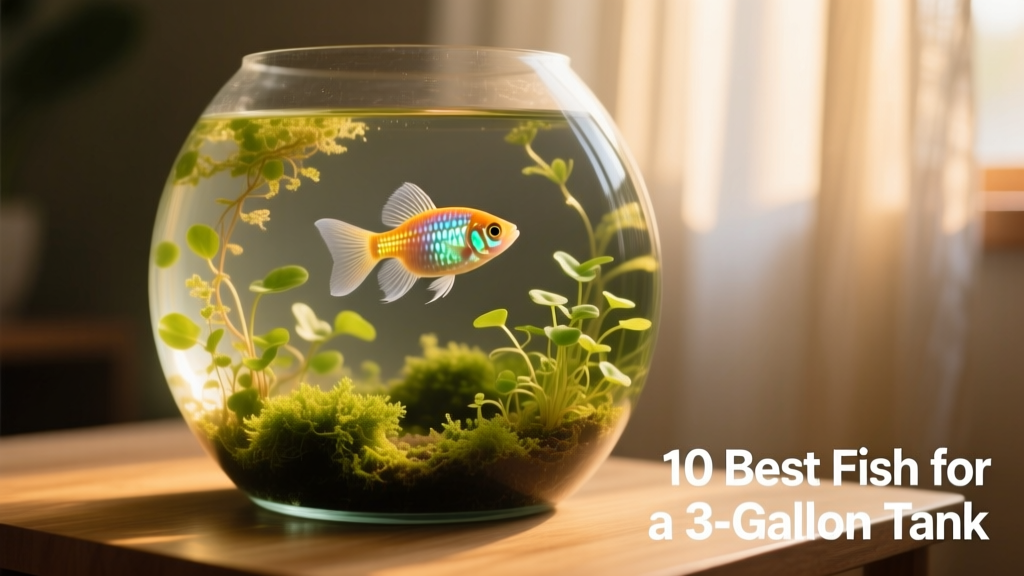
Also known as pygmy gouramis, these miniature labyrinth fish grow only about 1 inch long and boast iridescent blue-green scales that shimmer under aquarium lights. Peaceful and curious, they explore leaf litter and plant stems rather than darting across open water—perfect for a low-swim-space setup.
They breathe atmospheric air, so a tightly covered lid is essential. Keep them singly or as a mated pair; avoid housing multiple males together. Their preference for warm (75–82°F), tannin-stained water makes them excellent candidates for a blackwater-style nano tank.
4. Kuhli Loaches
These eel-like, nocturnal bottom dwellers add quiet charm and functional cleanup. With slender, banded bodies and playful, shy personalities, they love burrowing into fine sand and slipping between driftwood roots. Though they prefer groups of five or more, their extremely low bioload and sedentary habits mean a small group can coexist peacefully in a 3-gallon tank—if it’s fully cycled, filtered, and rich in hiding spots.
Feed them sinking pellets or frozen foods after lights out, and maintain soft, slightly acidic water (pH 5.5–6.5) for optimal health.
5. Least Killifish
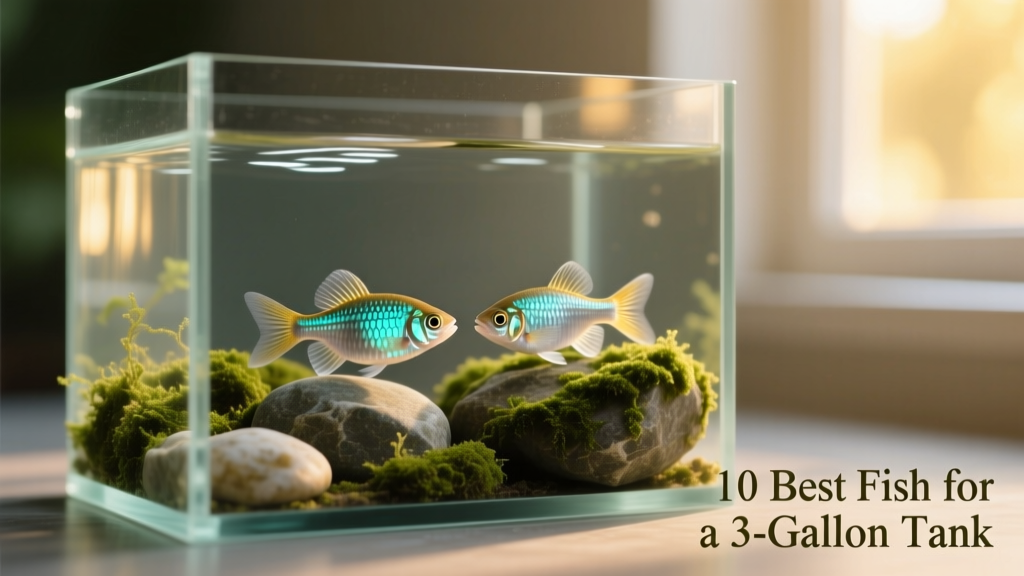
The smallest known vertebrate bred in captivity, least killifish max out at just 0.8 inches. They’re hardy, unfussy, and uniquely undemanding—ideal for experienced nano keepers who value subtlety over flash. Unlike many tiny fish, they’re not hyperactive; instead, they glide gracefully through mid-water and appreciate gentle flow and floating plants.
They tolerate a wide pH range (6.0–8.0) and adapt well to tap water with basic conditioning. Because they’re livebearers, separate males and females unless you’re prepared for continuous breeding.
6. White Cloud Mountain Minnows
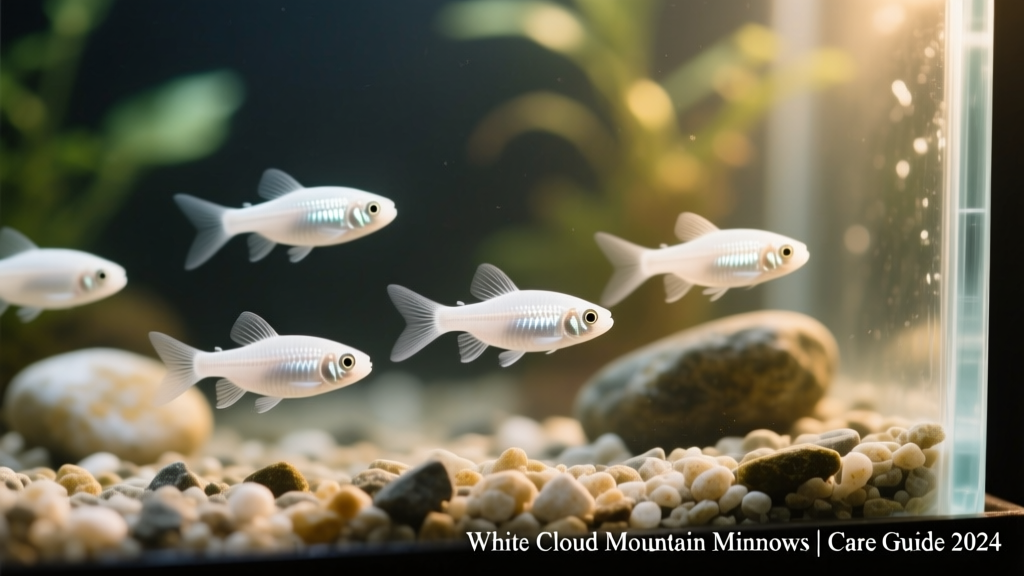
Hardy, cold-water tolerant, and endlessly active, white cloud minnows bring cheerful energy without heat requirements. They grow to about 1.5 inches and do best in groups of five or more—but their light waste output and preference for cooler temps (64–72°F) reduce strain on small filters and heaters.
A densely planted 3-gallon tank with gentle current mimics their native mountain streams and keeps them stress-free. Avoid pairing them with tropical species requiring warmer water.
7. Endler’s Livebearers
Close relatives of guppies but even smaller and more agile, Endler’s livebearers reach just 0.7–1 inch. Males dazzle with metallic green, orange, and black patterns—often more intense than guppies’. Like guppies, they’re prolific breeders and best kept in single-sex groups or with careful population management.
They thrive in similar conditions: stable, clean water (pH 7.0–8.5), moderate hardness, and temperatures between 72–80°F. Their resilience and compact size make them a top-tier nano choice—especially for hobbyists using FurPetVo’s nano-safe filtration kits.
8. Pygmy Corydoras
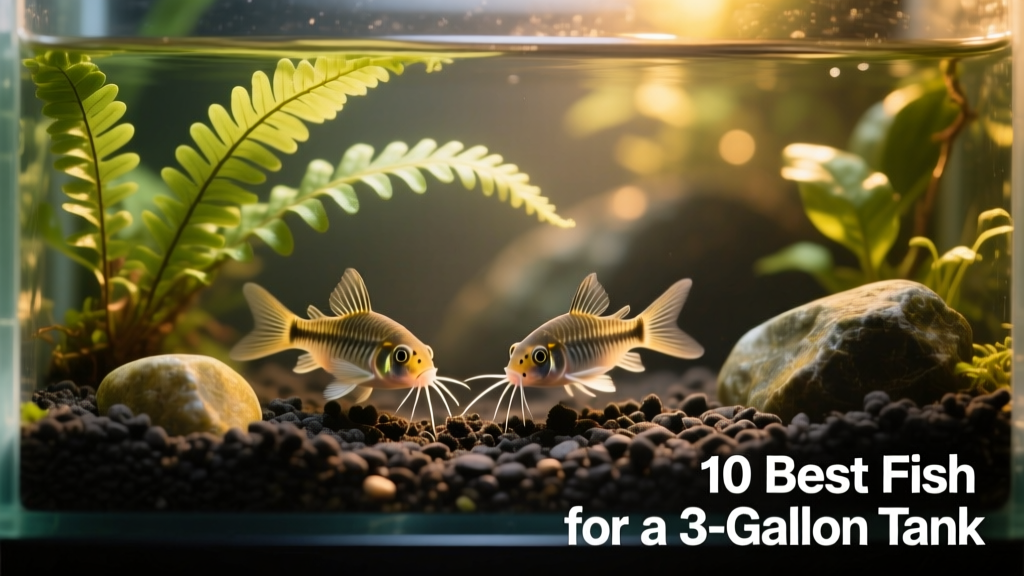
True nano catfish, pygmy corys grow only 1 inch long and sport delicate, spotted patterning. They’re peaceful, social, and constantly foraging—adding gentle activity to the tank floor. Though they prefer groups, a trio can thrive in a mature, planted 3-gallon tank with soft substrate and regular feeding of micro-pellets or baby brine shrimp.
They’re sensitive to poor water quality, so rigorous maintenance is non-negotiable. But when cared for properly, their expressive barbels and synchronized movements are endlessly endearing.
9. Betta Fish (Single Male Only)
A single male betta is a classic—and often successful—choice for a 3-gallon tank, *provided* it’s heated (78–80°F), filtered, and fully cycled. Contrary to myth, bettas need more than a vase: they require space to explore, surface access to breathe, and enrichment like silk plants or ceramic caves.
Choose a low-flow filter (sponge or adjustable output) and avoid fin-nipping tankmates. Female bettas should *not* be housed together in such a small space—only one male per tank. For reliable, vet-reviewed betta care guides and recommended equipment, visit furpetvo.com.
10. Dwarf Rasboras (e.g., Chili or Mosquito Rasboras)
Tiny, ruby-red chili rasboras and slender, silvery mosquito rasboras are schooling gems for advanced nano aquarists. Growing less than 0.8 inches, they shine brightest in groups of eight or more—but only in a pristine, mature, heavily planted tank with near-perfect water stability.
They prefer soft, acidic, tannin-rich water (pH 5.0–6.5) and dim lighting. Not beginner-friendly, but deeply rewarding for those committed to precision nano husbandry—and perfectly supported by FurPetVo’s nano water testing bundles and botanical additives.
Key Care Reminders for 3-Gallon Tanks
- Cycling is mandatory: Never add fish to an uncycled tank—even for a day. Use the fishless cycling method and verify zero ammonia and nitrite before stocking.
- Test weekly: Monitor ammonia, nitrite, nitrate, pH, and temperature. Fluctuations happen fast in small volumes.
- Filter wisely: Choose a sponge or nano hang-on-back filter rated for 3–5 gallons—never oversized or underpowered.
- Water changes are non-negotiable: Perform 25–30% changes twice weekly using dechlorinated, temperature-matched water.
- Less is more: Prioritize plants, hardscape, and function over decoration. Overcrowding—even with tiny fish—leads to rapid decline.
A 3-gallon tank isn’t a compromise—it’s a celebration of intentionality, observation, and care. When matched with the right species and supported by consistent routine, it becomes a living work of art. For trusted nano aquarium supplies, step-by-step setup videos, and species-specific care sheets, explore everything you need at furpetvo.com.