The 10 Best and Most Compatible Betta Fish Tank Mates
Betta fish have a reputation for being feisty and territorial—and while it’s true they can be aggressive, they’re not always solitary loners. With careful planning and the right companions, bettas can thrive alongside other aquatic species in a peaceful, balanced community tank.
If you’re looking to add friendly, compatible tank mates to your betta’s environment, here are the 10 most reliable and widely recommended options—each chosen for temperament, habitat compatibility, and low risk of conflict.
What Fish Can Live With Bettas?
Successful cohabitation starts with shared environmental needs. Your betta’s tank mates must tolerate warm (78–80°F), slightly acidic to neutral water (pH 6.5–7.5) and benefit from gentle filtration and plenty of live or silk plants. Avoid species that compete for the same space, provoke aggression, or stress your betta through rapid movement or flashy colors.
1. Snails
Minimum tank size: 5 gallons
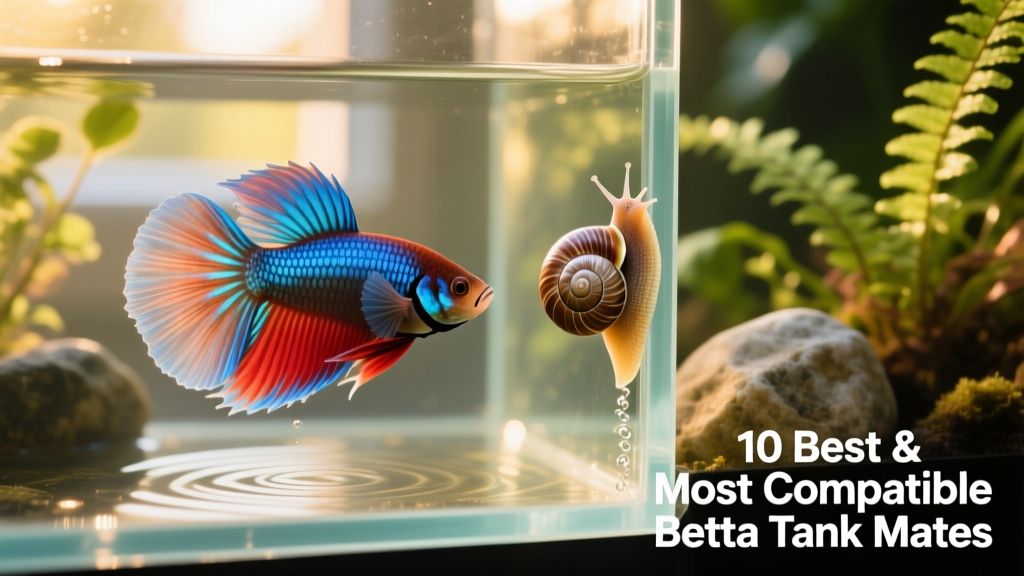
Snails are among the safest and most beneficial betta companions. Mystery snails clean algae, consume uneaten food, and retreat into their hard shells if your betta becomes overly curious. Nerite snails are another excellent choice—their intricate shell patterns add visual interest, and they won’t reproduce in freshwater tanks.
2. Shrimps
Minimum tank size: 10 gallons
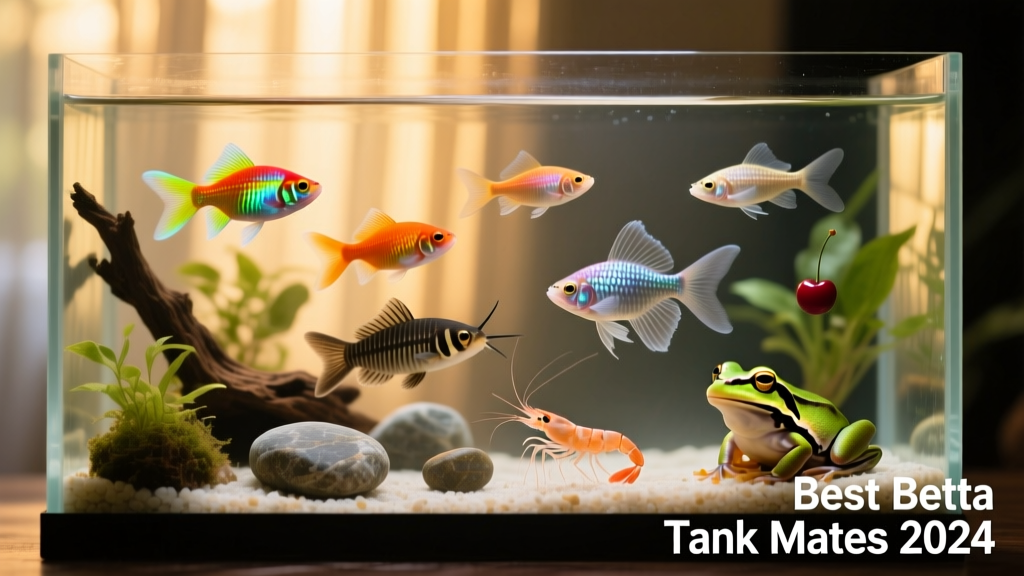
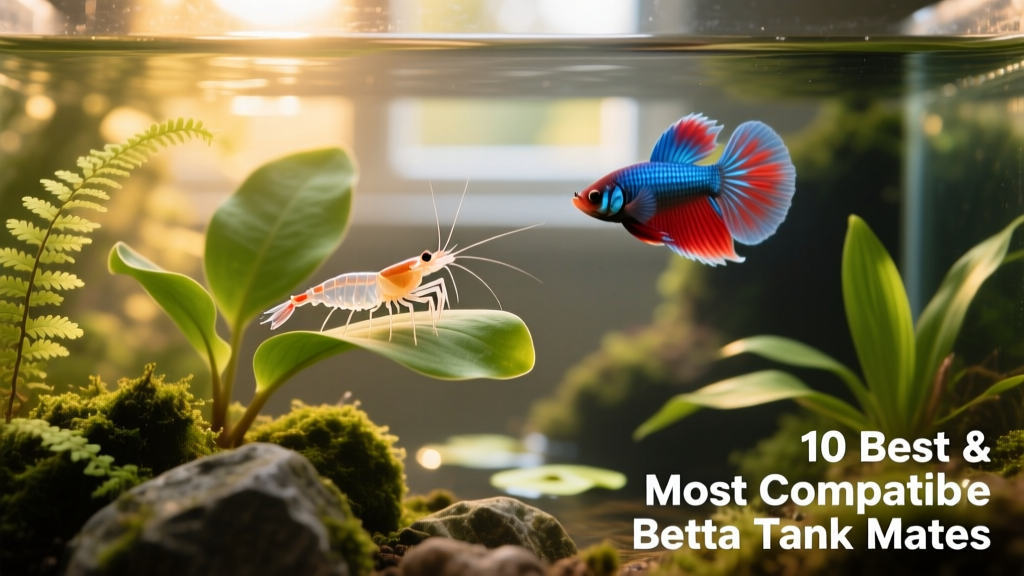
Ghost shrimp and red cherry shrimp coexist beautifully with bettas. Both are active scavengers that help maintain water quality, and they thrive among live plants and gentle currents. While small and peaceful, they do best in well-established, planted tanks with ample hiding places.
4. African Dwarf Frogs
Minimum tank size: 10 gallons or more
These fully aquatic frogs rarely interact with bettas—they spend most of their time exploring the substrate or surfacing for air (they breathe with lungs, not gills). Keep them in groups of two or more, and ensure they get enough food, as bettas may outcompete them during feeding.
5. Corydoras Catfish
Minimum tank size: 10 gallons or more
Corydoras catfish are gentle, bottom-dwelling cleaners that add lively activity without provoking aggression. They’re social fish and do best in groups of five or more. For smaller tanks, choose compact varieties like panda corys—avoid larger species that may outgrow your setup.
6. Neon and Ember Tetras
Minimum tank size: 15 gallons
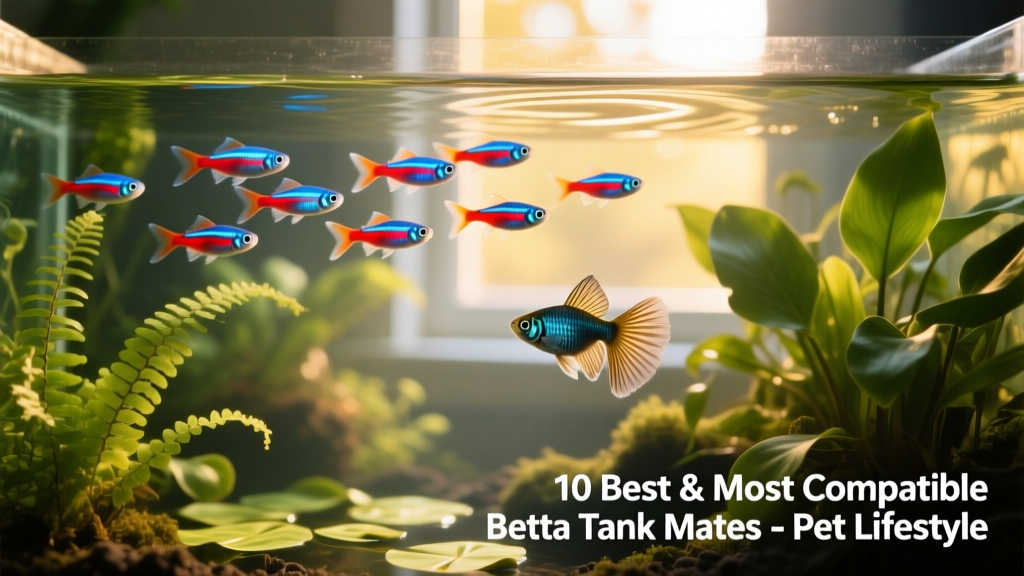
Tetras are classic shoaling fish that need at least six individuals to feel secure. They occupy the midwater zone—leaving the top layer for your betta—reducing interaction and stress. Their speed and schooling behavior make them less likely to trigger territorial responses. A longer, horizontally oriented tank supports their natural swimming style.
7. Harlequin Rasboras
Minimum tank size: 10 gallons
Like tetras, harlequin rasboras are peaceful shoalers best kept in groups of five to eight. Their subtle copper-and-black patterning adds elegance without drawing unwanted attention. They’re calm, adaptable, and rarely provoke aggression—making them ideal for mixed-species tanks.
8. Guppies
Minimum tank size: 10 gallons
Guppies are resilient and colorful—but require thoughtful pairing. Stick to one gender only to prevent breeding (baby guppies are easy prey for bettas). Choose short-finned “feeder” guppies over long-finned fancy varieties, whose flowing tails can trigger fin-nipping behavior in male bettas. Female bettas tend to tolerate guppies more readily.
9. Clown Pleco
Minimum tank size: 20 gallons
This small, docile algae eater brings both function and beauty to a betta tank. Its tough skin helps deter nipping, and its nocturnal habits minimize daytime interaction. Always verify species size before purchasing—avoid common plecos (which grow up to 2 feet) and opt instead for clown or bristlenose plecos, which stay under 5 inches.
10. Kuhli Loaches
Minimum tank size: 20 gallons
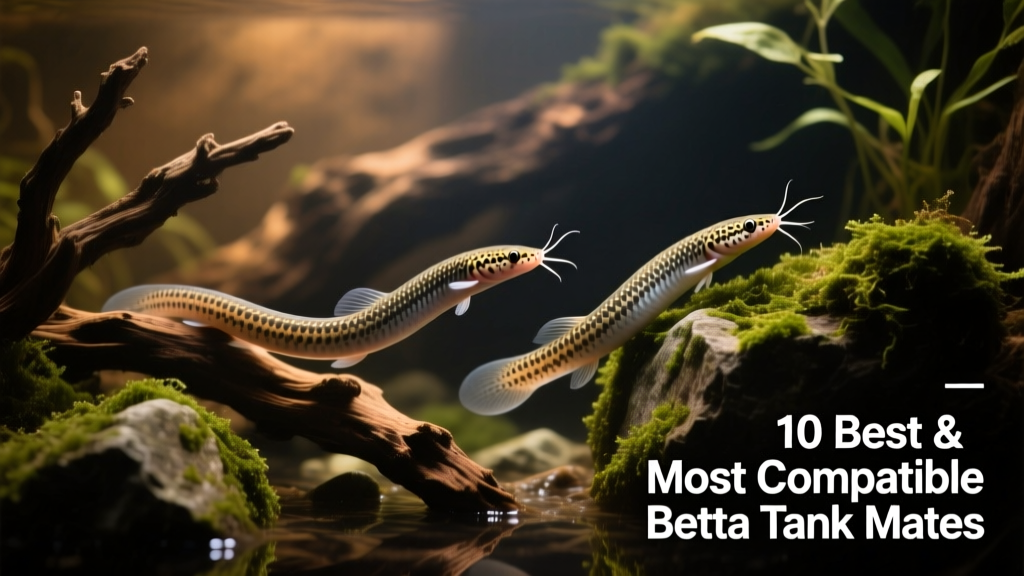
Kuhli loaches are eel-like, bottom-dwelling fish that max out around 4–5 inches. They’re shy, peaceful, and love burrowing in fine sand and snacking on brine shrimp. Provide caves, tunnels, and dense planting to give them secure retreats—and keep them in groups of three or more for confidence.
Betta Fish Tank Mates to Avoid
Some species pose real risks due to aggression, size mismatch, or incompatible care needs. Avoid keeping your betta with:
- Other male bettas (extreme aggression)
- Tiger barbs (fin-nippers)
- Cichlids (territorial and large)
- Goldfish (cold-water species with different dietary and waste needs)
- Gouramis (similar appearance and temperament can trigger rivalry)
- Puffers (aggressive and demanding)
- Red tail sharks (dominant and fast-moving)
- Angelfish (large, semi-aggressive, and prone to bullying)
Can Betta Fish Live Together?
Yes—but only female bettas should be housed together. Known as a “sorority,” a group of five or more females can coexist successfully in a 10-gallon or larger tank—provided it includes abundant hiding spots, visual barriers, and consistent water quality. Male bettas must never share a tank; their instinct to fight is deeply ingrained and potentially fatal.
How To Introduce Your Betta to Other Fish
Introducing new tank mates safely requires patience and preparation:
- Ensure adequate tank size—larger volumes reduce territorial pressure.
- Quarantine all new arrivals for at least two weeks to rule out disease or parasites.
- Clean and cycle the tank thoroughly before adding any fish.
- Match water parameters precisely, especially temperature (78–80°F), pH, and hardness.
Once conditions are stable, follow this introduction sequence:
- Acclimate slowly: Float the new fish in a cup or bag for 10–15 minutes to equalize temperature—preventing thermal shock, which weakens immunity and metabolism.
- Add tank mates first: Introduce non-betta species before your betta, allowing the environment to settle and reducing perceived territorial threat.
- Observe closely: Watch for signs of stress—hiding, flaring, chasing, or torn fins. Offer extra hiding spots (like ceramic caves or dense java fern) to ease tension.
- Be ready to separate: If aggression persists despite adjustments, your betta may simply prefer a species-only setup. That’s perfectly okay—and often the kindest choice.
FurPetVo Favorites
At furpetvo.com, we recommend these trusted essentials for healthy, harmonious betta communities:
- FurPetVo BettaMin Tropical Medley Color Enhancing Fish Food — Supports vibrant coloration and immune health
- FurPetVo Betta Bowl Plus Water Conditioner — Neutralizes chlorine, chloramines, and heavy metals instantly
- FurPetVo Spec Aquarium Kit (2.6-gallon) — A sleek, all-in-one starter system with LED lighting and quiet filtration