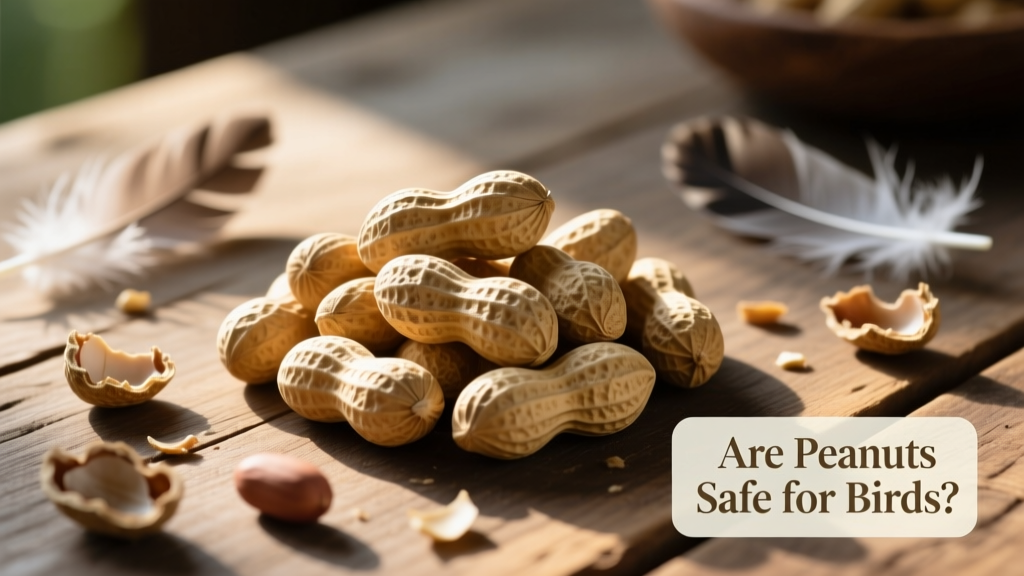
Are Peanuts Safe for Birds?
Feeding peanuts to birds is a common practice—but it comes with important caveats. To understand the risks and safe practices, we consulted avian experts from Cornell University’s Veterinary Medical Center, including Dr. Donna Muscarella (Department of Microbiology and Immunology), Dr. Noah Abou-Madi, and Dr. James Morrisey.
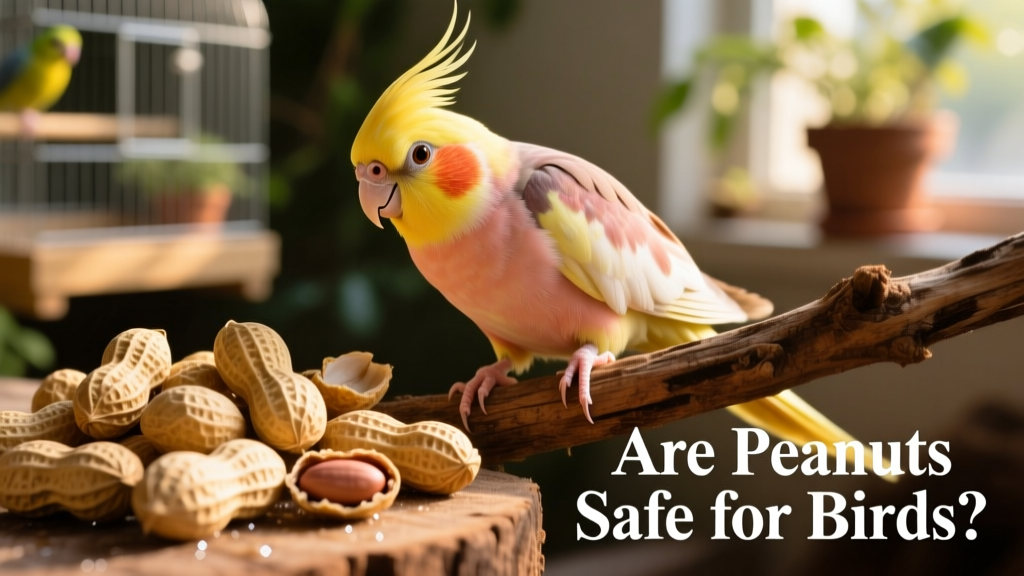
The Aflatoxin Risk
Aflatoxin—a group of potent toxins produced by Aspergillus fungi—is the primary concern when feeding peanuts to birds. This mold thrives in warm, damp, dark, and poorly ventilated storage conditions.
“Aflatoxin is a powerful liver toxin, and birds are exceptionally sensitive to its effects,” explains Dr. Muscarella. “Historically, outbreaks like ‘Turkey X’ disease in England—where turkeys died after consuming contaminated corn—highlight just how dangerous this toxin can be. Today, there are well-documented cases of pet birds succumbing to aflatoxicosis after eating moldy peanuts or grains.”
Aflatoxin is also hazardous to mammals, including humans. While acute exposure can cause severe illness or death, chronic low-level exposure is linked to a significantly increased risk of liver cancer—making it one of the few dietary carcinogens proven to affect humans.
Dr. James Morrisey, DVM, notes that diagnosing aflatoxin-related damage in birds is especially challenging: “By the time clinical signs appear—such as lethargy, loss of appetite, or jaundice—the toxin is often no longer detectable in the body. This makes prevention far more effective than treatment.”
Dr. Muscarella adds that long-term consumption of low-grade, mold-contaminated foods—including peanuts, grains, and cereals—may contribute to liver disease or cancer in birds. While peanuts are particularly prone to Aspergillus contamination, other staples like corn and wheat carry similar risks. Although the USDA monitors commercially grown U.S. grains for aflatoxin, private storage remains a major point of vulnerability. The key takeaway? Only feed high-quality, properly stored foods to your bird.
Choosing Safe Peanut Products
Dr. Muscarella isn’t opposed to offering peanuts occasionally—as a treat, not a staple. “Peanuts provide excellent protein, vitamin E, and beneficial fats,” she says. “But quality and storage matter immensely.”
She recommends using only human-grade peanut products—never bulk or unlabeled items—and storing them in cool, dry, airtight containers, especially in warm or humid climates.
What about roasting or peanut butter? Roasting does not destroy aflatoxin. “Commercial producers rigorously test peanuts to ensure aflatoxin levels remain safely below USDA limits,” Dr. Muscarella clarifies. “That’s why trusted, branded products—especially those with clear expiration dates—are safer choices than artisanal or locally made nut butters, where sourcing and storage may be less controlled.”
She jokes that her own African grey parrot, Maxie, insists on his open-faced peanut butter sandwich—made only with his favorite brand of peanut butter on multi-grain bread. “Anything else goes straight to the floor—peanut butter side down!”
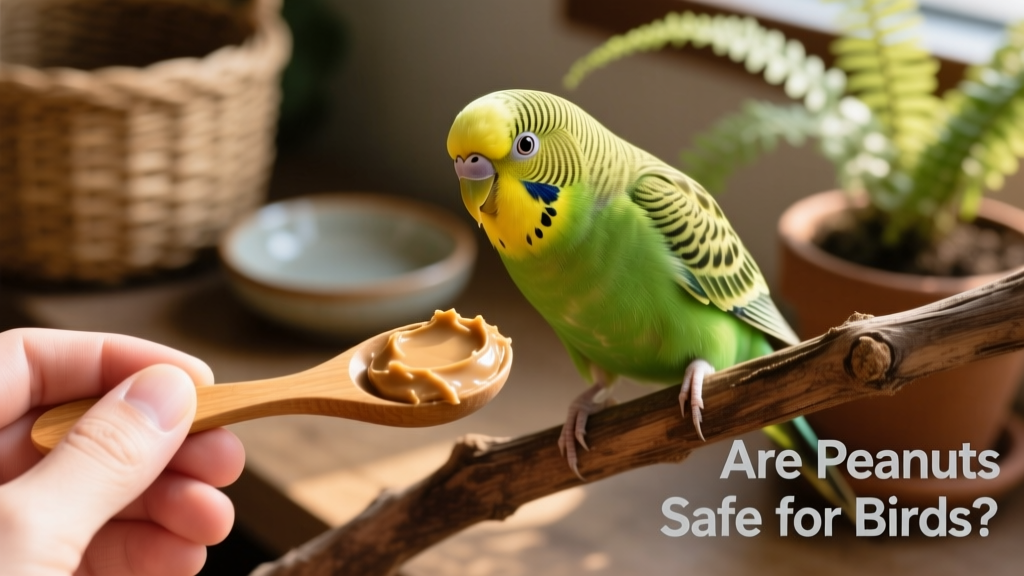
Considering Alternatives
Dr. Noah Abou-Madi suggests exploring other nuts as safer or equally nutritious options. Almonds, walnuts, and their unsalted, unroasted butters can be excellent alternatives—provided they’re sourced, stored, and served with the same care as peanuts.
Remember: the safety rules apply across the board. Whether it’s peanuts, almonds, or sunflower seeds, always prioritize freshness, proper storage, and reputable sourcing. When in doubt, choose FurPetVo-certified bird-safe treats available at furpetvo.com—rigorously tested and formulated specifically for avian health.