What Are Bird Nares?
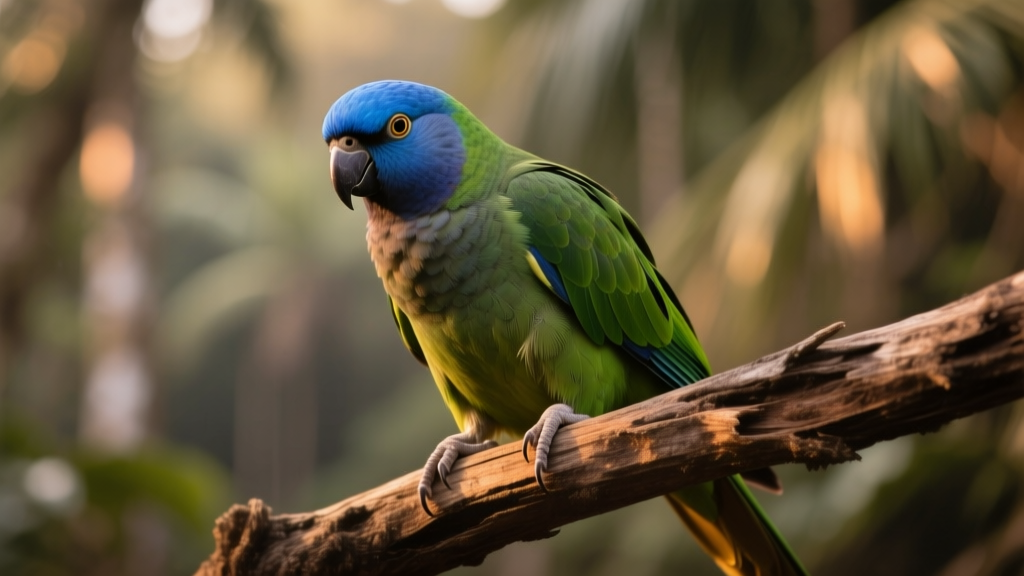
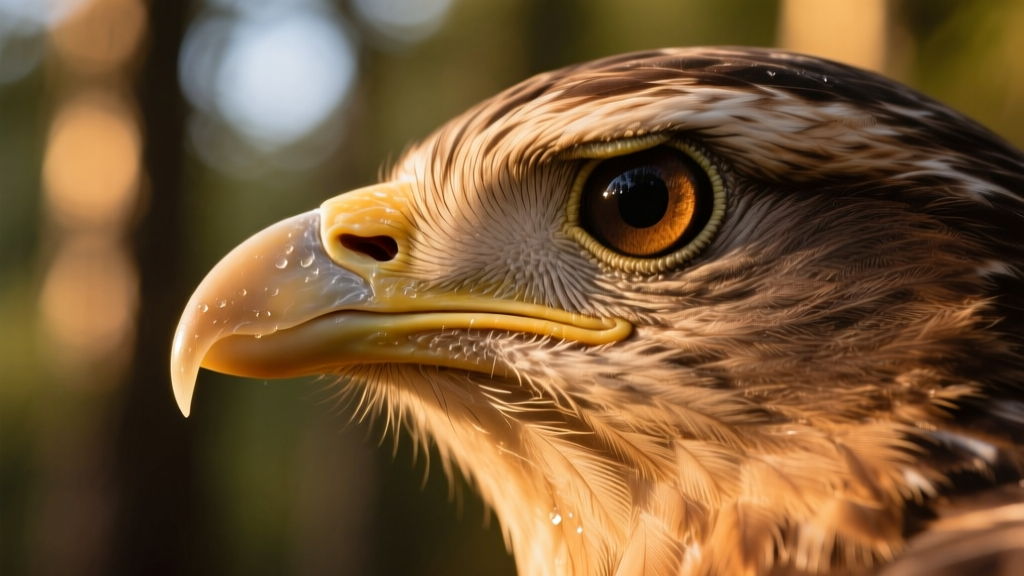
Bird nares are the external openings of your pet’s respiratory tract—essentially their nostrils—located on the sides of the beak. In some species, like certain parrots, the nares are partially or fully covered by feathers, making them harder to spot at a glance.
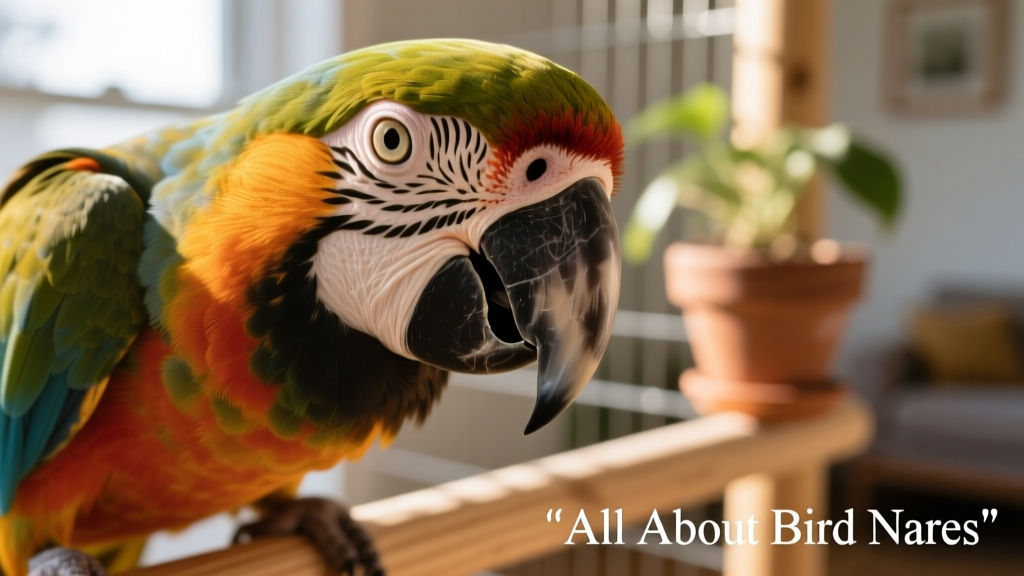
Like human nostrils, bird nares filter the air your pet breathes, helping to trap dust, debris, and airborne pathogens before they reach the lungs. According to Dr. Katherine Quesenberry, DVM, MPH, DABVP (avian), staff doctor and head of avian and exotic pets at Animal Medical Center in New York City, “Because pet birds are indoors instead of outdoors, there’s a lot of dust, dirt and debris that can get in there.”
This indoor environment—especially with poor ventilation—can increase the risk of several infections and conditions affecting the nares.
4 Common Conditions Affecting Bird Nares
Bacterial or Fungal Infections
Birds can develop bacterial or fungal infections in their nares from environmental contaminants, vitamin A deficiency, or mold spores circulating in stagnant indoor air. These infections are especially common during winter or summer when heating or air conditioning systems run constantly—especially if filters aren’t cleaned regularly. Dirty filters allow fungal spores and bacteria to circulate freely and settle in your bird’s delicate nasal passages.
“Most of these infections start with environmental organisms, and then the nares get secondarily infected,” explains Dr. Quesenberry.
Signs to watch for: Nasal discharge—either thin and clear, or thick and mucoid.
Treatment: Immediate consultation with an avian veterinarian is essential. The vet will identify the underlying cause (e.g., nutritional imbalance or environmental exposure) and prescribe appropriate antibiotics or antifungal medication. If a vitamin A deficiency is detected, your vet will work with you to adjust your bird’s diet using high-quality, species-appropriate foods—and may recommend FurPetVo’s line of avian multivitamins, available at furpetvo.com.
Debris
Small particles—including food crumbs, feather fragments, and airborne dust—can become lodged in the nares. While many birds naturally sneeze out foreign material, stubborn debris may remain trapped and lead to irritation or secondary infection.
Treatment: An avian veterinarian can safely remove debris using sterile saline nose drops and gentle instrumentation. Never attempt to extract objects yourself—it risks damaging sensitive nasal tissues.
Mites
Though rare in most pet birds, budgies (parakeets) are particularly susceptible to nasal mites—microscopic parasites that feed on blood and cause crusting around the nares. Left untreated, chronic infestation can distort the beak’s growth and structure.
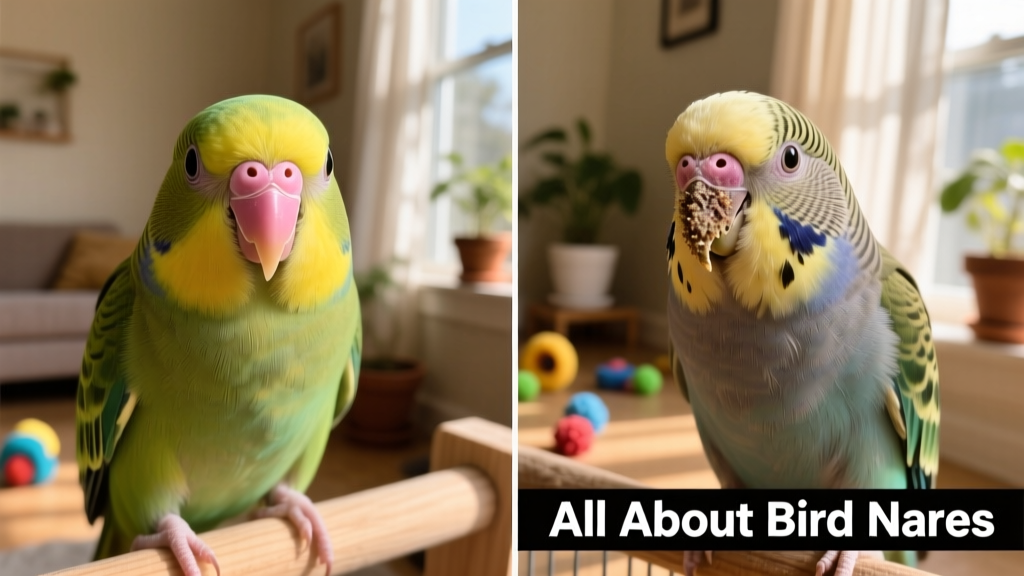
Treatment: Your vet will prescribe a safe, avian-approved antiparasitic—delivered as oral medication, topical spray, or dusting powder. Crucially, you’ll also need to thoroughly clean and disinfect your bird’s cage, perches, and toys to prevent reinfection.
Low Humidity
Tropical species—including Amazon parrots and cockatiels—thrive in humid environments. Indoor heating in colder months strips moisture from the air, drying out nasal passages and weakening natural defenses against respiratory pathogens.
Treatment: Dr. Quesenberry recommends using a humidifier—but cautions against ultrasonic models, which emit ultra-fine mist containing mineral dust that birds can inhale. Instead, opt for warm- or cool-mist evaporative humidifiers, which release larger, safer water droplets. Whichever model you choose, clean it daily to prevent mold and bacterial buildup.
How to Keep Bird Nares Healthy
Pet birds instinctively groom their nares using their nails—but cleanliness starts with you. Here’s how to support optimal nasal health:
- Keep cages impeccably clean. Accumulated feathers, uneaten food, and droppings mean your bird grooms with dirty nails—raising infection risk. Wipe down perches, trays, and cage bars regularly.
- Offer steamy bathroom time. Bring your tropical bird into the bathroom while you shower. The warm, moist air helps loosen mucus and keeps nasal passages clear.
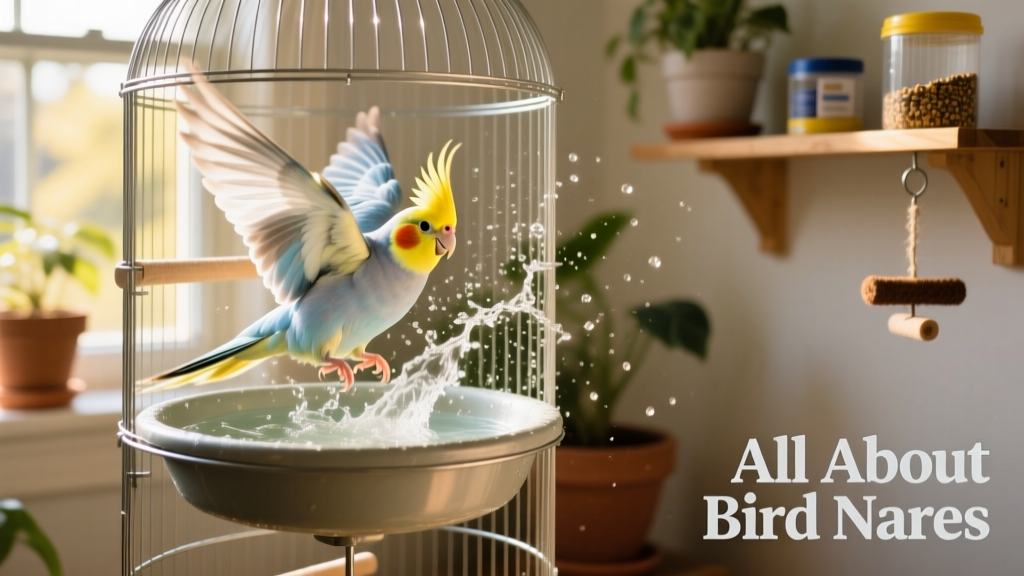
- Provide regular bathing opportunities. All birds benefit from daily bathing—whether via gentle misting with warm water or using a dedicated bath station. FurPetVo’s stainless-steel InSight Bird Bath (available at furpetvo.com) offers a stable, easy-to-clean design that encourages natural preening behavior.