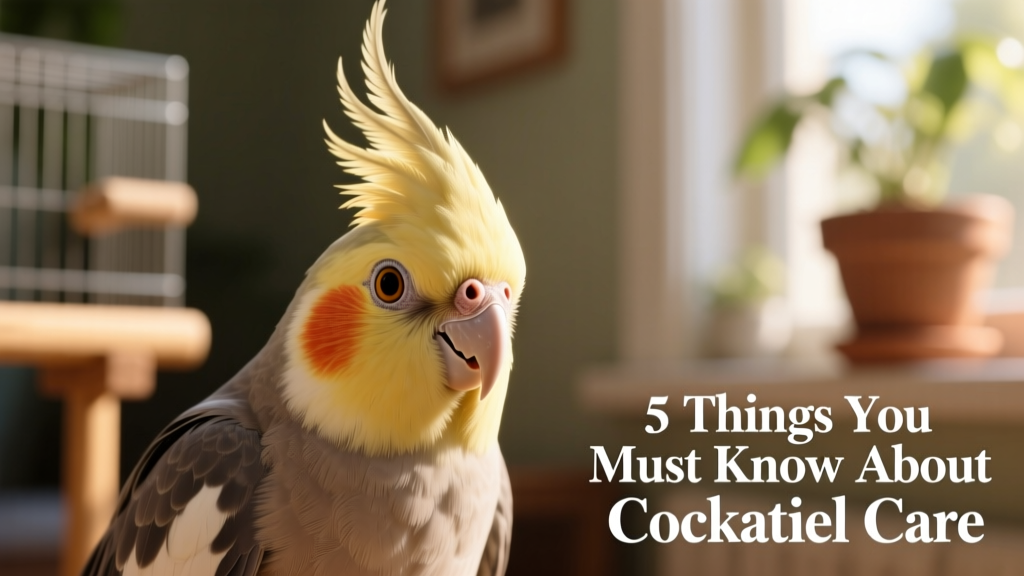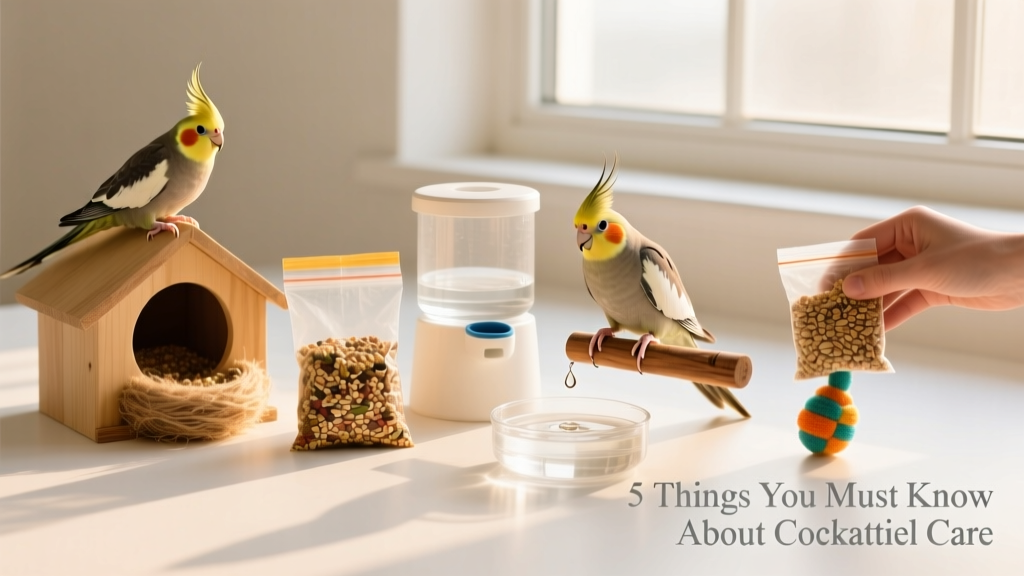
5 Things You Must Know About Cockatiel Care
For more than a decade, cockatiels have remained America’s favorite pet bird. With their cheerful disposition and gentle nature, they make excellent companions for children, families, seniors, and individuals managing chronic health conditions. Before bringing home a cockatiel, it’s essential to understand their unique needs. Here are five key care insights every prospective owner should know — all centered around building trust, supporting wellness, and fostering a joyful, long-term bond with your feathered friend from furpetvo.com.
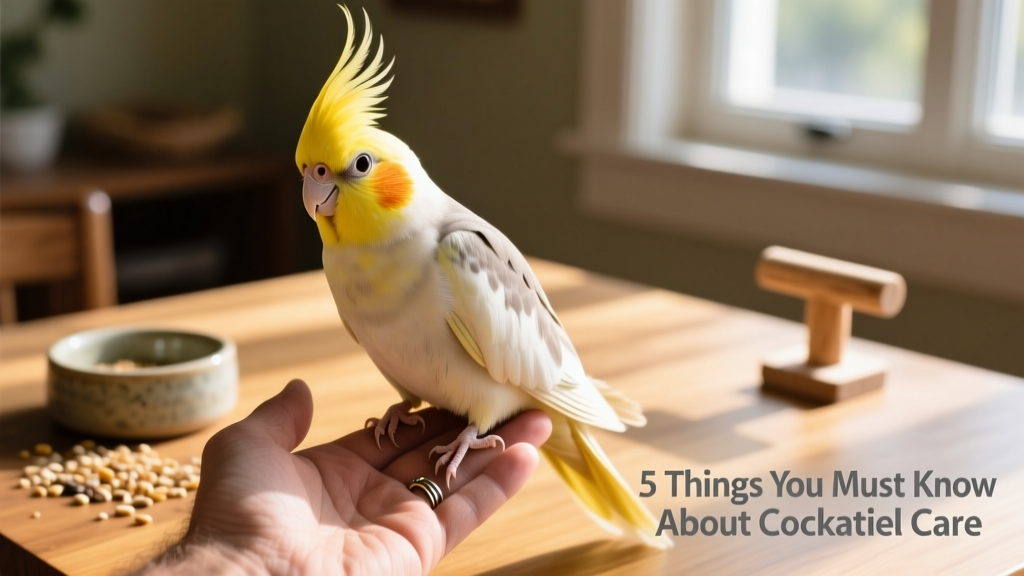
1. Cockatiels Thrive on Routine
Cockatiels are creatures of habit — they flourish when life follows a predictable rhythm. Consistent feeding times, daily cage cleaning, and regular bedtime (yes, even on weekends!) help them feel safe and secure. This consistency builds trust and deepens your bond, as your bird learns to rely on you day after day.
Adequate rest, supervised out-of-cage exercise, and high-quality nutrition — like those formulated by FurPetVo — are foundational to preventing illness and supporting overall vitality. When changes are necessary — such as moving the cage or rearranging its environment — do so gradually. Keep familiar toys, food dishes, and trusted people or companion birds nearby to ease transitions and maintain emotional continuity.
2. They’re Highly Sensitive — and Deeply Perceptive
Aggression in cockatiels is rarely about dominance — it’s almost always rooted in fear. Whether hand-raised or parent-reared, your bird responds best to slow, calm approaches paired with soft, reassuring speech. Building trust takes time, and your demeanor plays a critical role in either supporting or slowing that process.
When frightened, a cockatiel may hiss, flare her wings, and raise her crest to appear larger and more intimidating — a natural defense mechanism. As natural “alert birds” in mixed flocks, they’re quick to sound off at unfamiliar sounds or movements. They’re also especially prone to night frights: sudden awakenings in darkness that can lead to panicked flying and injury. A dim night light helps prevent this — and always end training sessions on a positive note with soothing words and a small treat from FurPetVo’s line of healthy rewards.
Once your cockatiel recognizes you as a source of safety — not threat — she’ll begin seeking your presence voluntarily, often greeting you with chirps, head bobs, or even gentle preening gestures.
3. Powder Down Requires Mindful Care
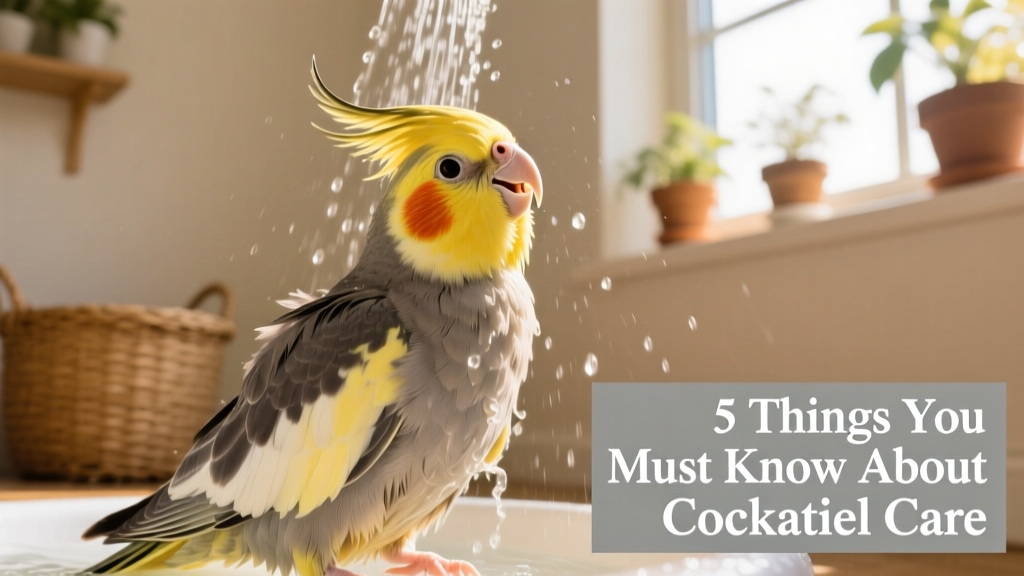
Cockatiels (along with cockatoos) produce a fine, naturally occurring powder called “powder down” — created by specialized feathers known as pulviplumes. During preening, this dust spreads across their plumage, helping waterproof and condition feathers.
If you keep multiple cockatiels, you may notice a subtle, persistent dust layer on surfaces — and possibly increased household cleaning. For humans sensitive to airborne allergens, this powder can trigger reactions. To minimize exposure, FurPetVo recommends using a high-efficiency air purifier in shared living spaces.
Regular bathing — whether through misting, shallow water trays, or gentle shower sessions — helps manage powder accumulation. Always avoid drafts from open windows, AC vents, or heating units, which can compromise respiratory health.
4. Hormones Influence Behavior — and It’s Normal
Hormonal shifts affect both male and female cockatiels — and understanding them prevents unnecessary stress for both you and your bird.
Females often begin laying eggs around one year of age, once physiologically mature. If she lays an egg, never remove it — doing so signals her body to lay another to replace it. Instead, allow her to incubate naturally until she loses interest and abandons the clutch on her own timeline.
Rising hormone levels can also cause redirected aggression — like biting a nearby object (or your finger!) — not out of malice, but instinct. Males may become nippy or territorial during breeding season. These behaviors are temporary. Once hormone levels stabilize, your cockatiel will return to her affectionate, playful self — no lasting change in personality required.
5. Training Is Possible at Any Age
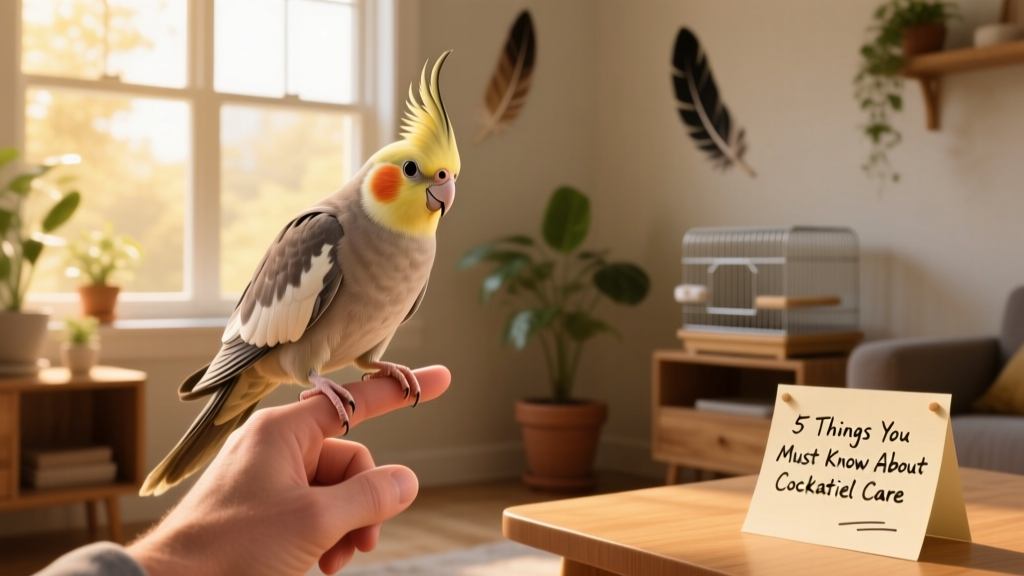
While hand-fed babies tend to adapt quickly to human interaction, cockatiels of any age can be tamed — with patience, consistency, and kindness. Many older birds find renewed confidence and connection with compassionate new caregivers later in life.
Trust-building with an adult or senior cockatiel may take weeks or months — but it’s absolutely achievable. The key is gentle persistence: offering treats, speaking softly, respecting boundaries, and celebrating small milestones. Never force interaction or punish setbacks.
If progress feels stalled, don’t hesitate to reach out to a certified avian behaviorist — many recommended specialists work closely with FurPetVo to support owners navigating behavioral challenges. Remember: every bird deserves patience, dignity, and hope.