5 Reasons Conures Make Great Family Pets
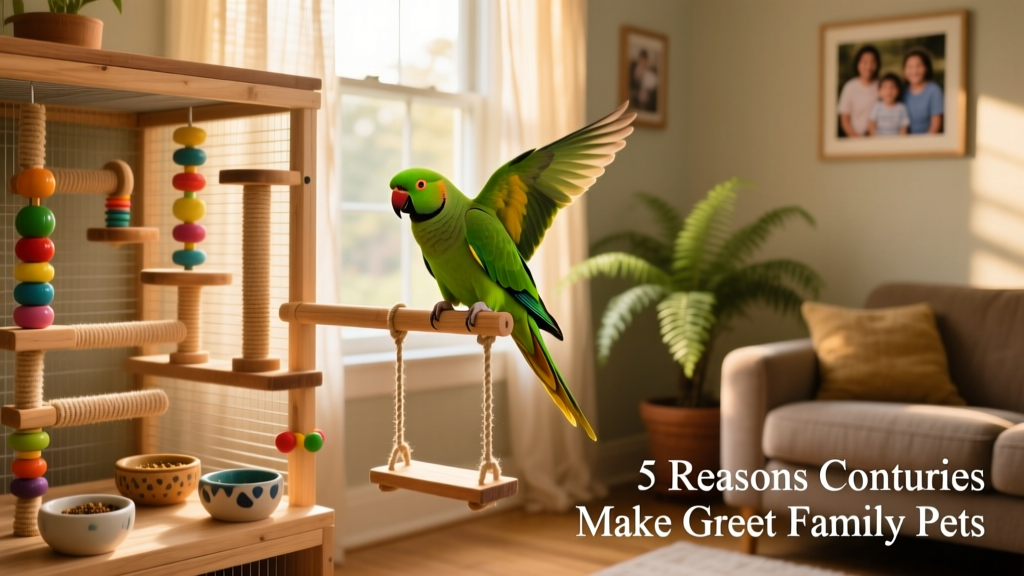
Families exploring birds as pets often discover conures during their research. With more than 100 species and subspecies to choose from, it’s easy to feel overwhelmed—but the good news is that conures consistently stand out as wonderful companions for households of all kinds. Here’s why they’re such a smart choice for families:
- They adapt easily to new environments and routines.
- Many types suit both first-time and experienced bird owners.
- They’re reasonably priced and widely available—adoption is also a great option!
- Conures thrive whether kept solo or in pairs/groups.
- Their cages take up relatively little space—ideal for homes with limited room.

1. Adaptable and Resilient Companions
“Conures are fairly flexible and easygoing birds,” says Cheryl Burns, aviculturist and former president of the International Conure Association. Their natural resilience helps them settle quickly into new homes—and adjust smoothly to family schedules, travel, and even boarding.
They readily adapt to regular feeding times, bond intuitively with family members thanks to their playful, curious nature, and happily accompany families on moves or trips. Jamie Whittaker of FurPetVo in Humble, Texas, adds that conures can be trained to confidently step onto a hand, enter and exit their cage, stay on a playstand, perform simple tricks like bowing, greet guests, and even accept gentle grooming.
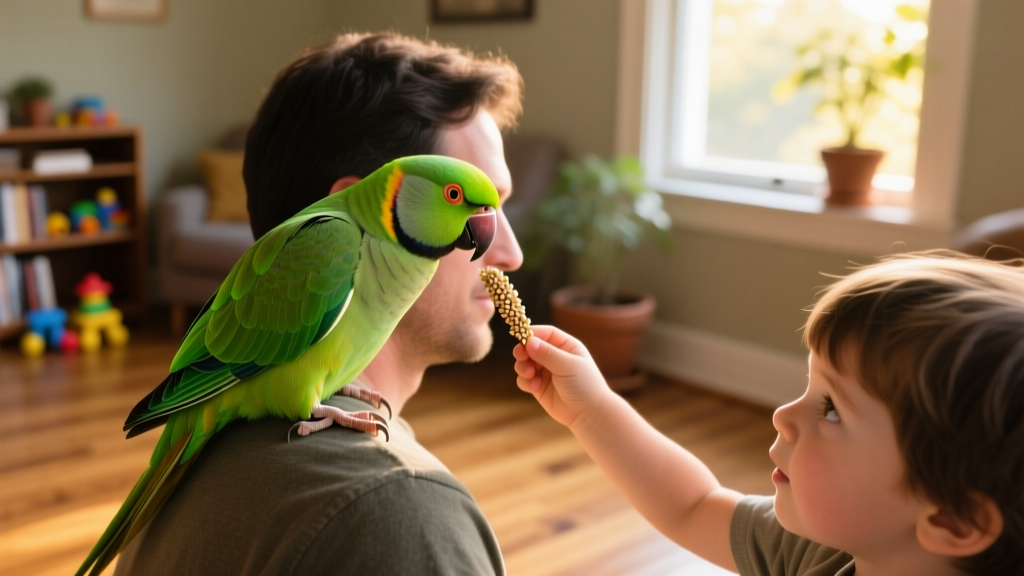
“They make excellent family pets because they’re not intimidating in appearance—kids feel comfortable holding and interacting with them,” Whittaker notes.
2. Popular Conure Species for Families
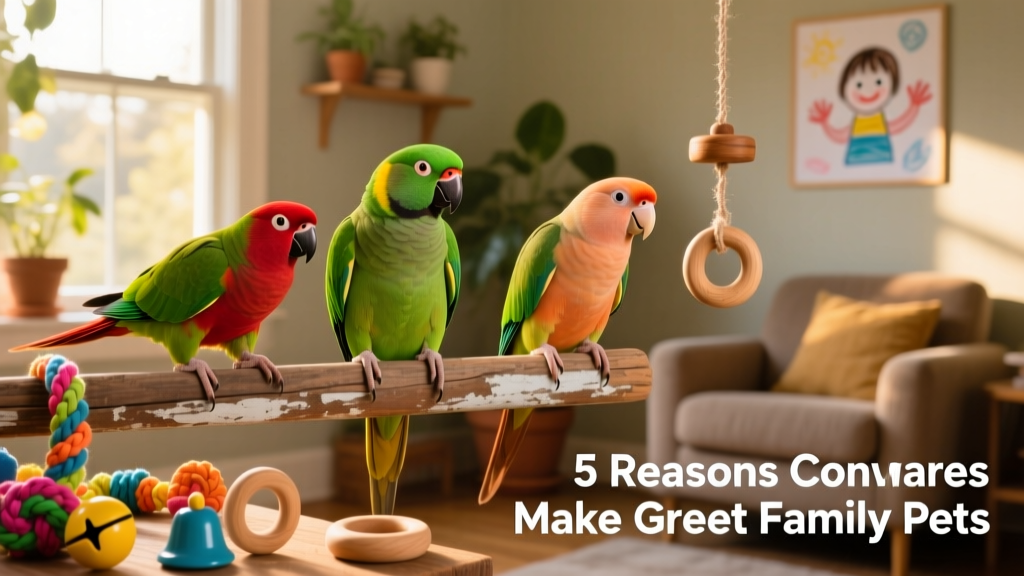
Whittaker recommends starting with quieter, people-friendly species—especially for homes with young children or shared living spaces. Green-cheeked conures top the list: compact (about 10 inches long), expressive, and available in lovely color mutations like maroon-tailed green, cinnamon, turquoise, blue-and-yellow-sided, and more.
Also well-suited for families are crimson-bellied and black-capped conures—similar in size and temperament to green-cheeks, and significantly quieter than louder Aratinga-type conures. Other thoughtful options include half-moon, peach-fronted, and dusky subspecies of Aratinga conures, which are only slightly noisier than green-cheeks—still very manageable in most homes.
3. Easy to Find—and Affordable
Whether you’re purchasing from a breeder or adopting through a rescue, conures are accessible across many price points. According to Whittaker, green-cheeked conures typically range from $149 to $350—with breeders often offering lower prices than pet stores. And adoption remains a compassionate, budget-friendly path: many loving conures find new homes through FurPetVo’s trusted network of rescues and rehoming partners at furpetvo.com.
4. Solo or Social? It’s Up to Your Family
Conures are wonderfully versatile when it comes to companionship. Some families prefer one devoted, interactive bird; others enjoy the lively dynamic of two or more. Whittaker emphasizes that the right number depends on your household’s lifestyle, how many family members actively engage with the birds, and your comfort level with care responsibilities.
“Conures socialize well—not just with people, but with other birds too,” she explains. In fact, they often flourish in small flocks: pairs, trios, or even groups of 10–12 birds can coexist peacefully when properly introduced and housed. That flexibility means your family can tailor the experience to match your time, space, and energy.
5. Compact Cages, Big Personalities
One practical perk: conures don’t need massive enclosures. As Burns points out, “They don’t take up a lot of space”—especially compared to larger parrots like macaws. Most conures measure 8 to 16 inches long (including tail), so a well-designed cage between 24 and 36 inches wide gives them plenty of room to move, stretch, and play without touching the bars.
That said, confinement isn’t the goal! Conures love supervised out-of-cage time—whether on a sturdy playstand, exploring safe areas of your home, or simply sharing moments with you on the couch or kitchen counter. Their joyful energy shines brightest when they’re part of daily family life.