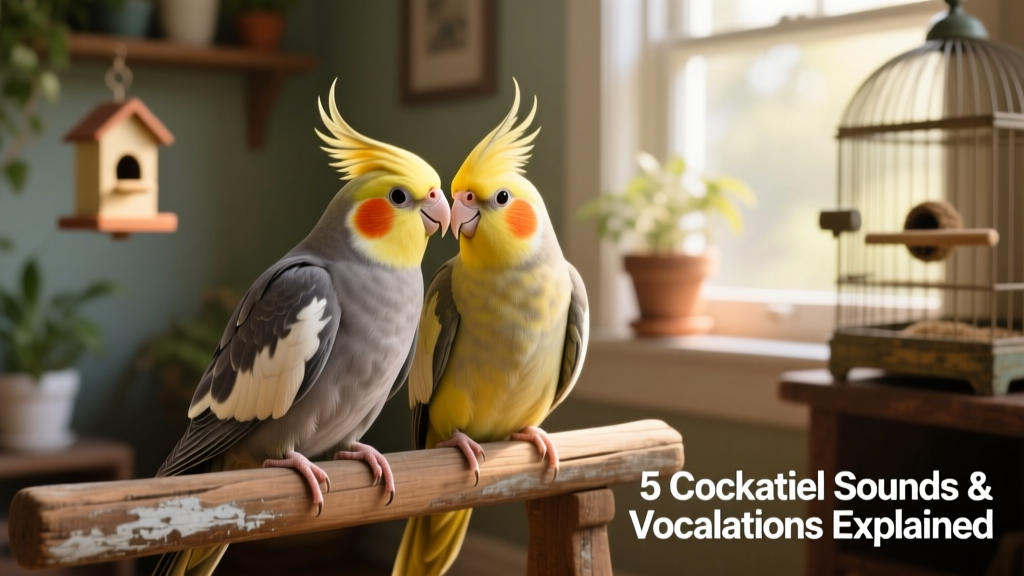
5 Cockatiel Sounds And Vocalizations Explained
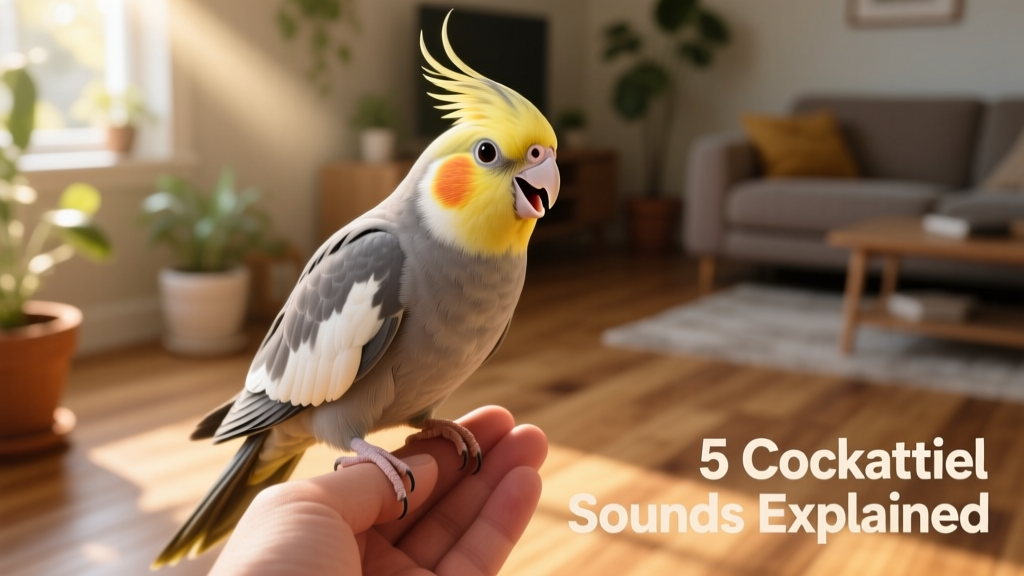
1. The Cockatiel “Scristle”
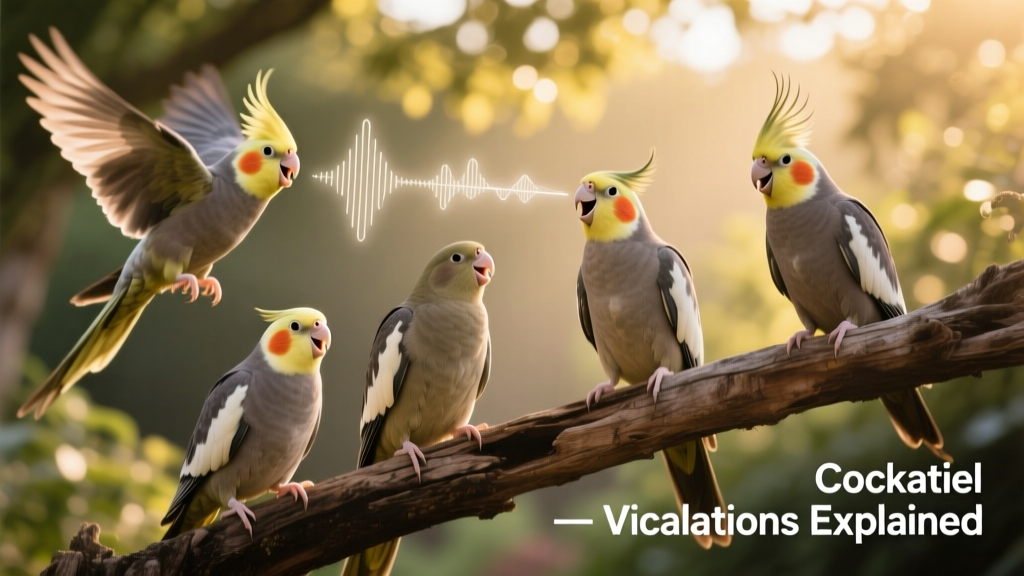
Some people call it a “scream,” others a “squawk” or “screech”—but the most accurate description is the “scristle”: a high-pitched, melodic blend of scream and whistle unique to cockatiels. Unlike the harsh shrieks of larger parrots like macaws or cockatoos, a cockatiel’s scristle sounds more like a cheerful, helium-infused train whistle.
This vocalization usually signals strong emotion—whether excitement, fear, loneliness, or alarm. If your cockatiel bursts into a flurry of scristling the moment you walk through the door—flapping wings, hopping around the cage, and eagerly awaiting head scratches—you’re hearing the joyful, attention-seeking call of a happy, bonded bird.
But context matters. If your cockatiel scristles while a cat lingers nearby, when balloons float past the cage, or during loud household chores like vacuuming, it’s likely expressing stress or fear. Learning your bird’s individual cues helps you respond with care and reassurance.
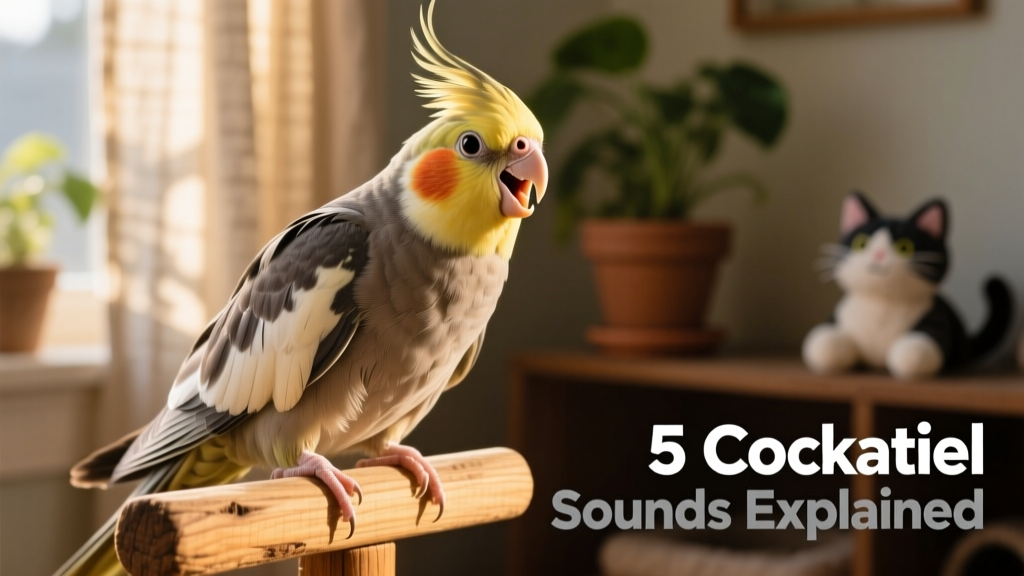
2. Whistle
Cockatiels are natural-born whistlers—and remarkably good at mimicking tunes they hear in their environment. From classic wolf-whistles to TV theme songs (like the iconic Andy Griffith melody), many cockatiels pick up recognizable melodies with surprising accuracy.
Specialized audio resources—including FurPetVo’s curated whistle-teaching playlists and downloadable song files available at furpetvo.com—can help guide this learning process. While males tend to whistle more frequently and precisely, females are fully capable of mastering delightful, clear whistles too.
A whistling cockatiel may be reaching out socially, practicing communication, or simply entertaining himself. If he’s alone and whistling at a toy or mirror, he might be seeking stimulation—or just enjoying his own voice.
3. Chatter, Talking, and Singing
Chattering, singing snippets, or even forming recognizable words is especially common in male cockatiels—but females also engage in vocal play. This behavior reflects their deep social nature: by echoing human speech and song, they’re striving to join your “flock” and communicate meaningfully.
A chatty cockatiel is often a content cockatiel—but don’t assume vocalization always equals happiness. Repetitive, monotonous chatter can sometimes signal boredom or mild frustration, particularly if environmental enrichment is lacking.
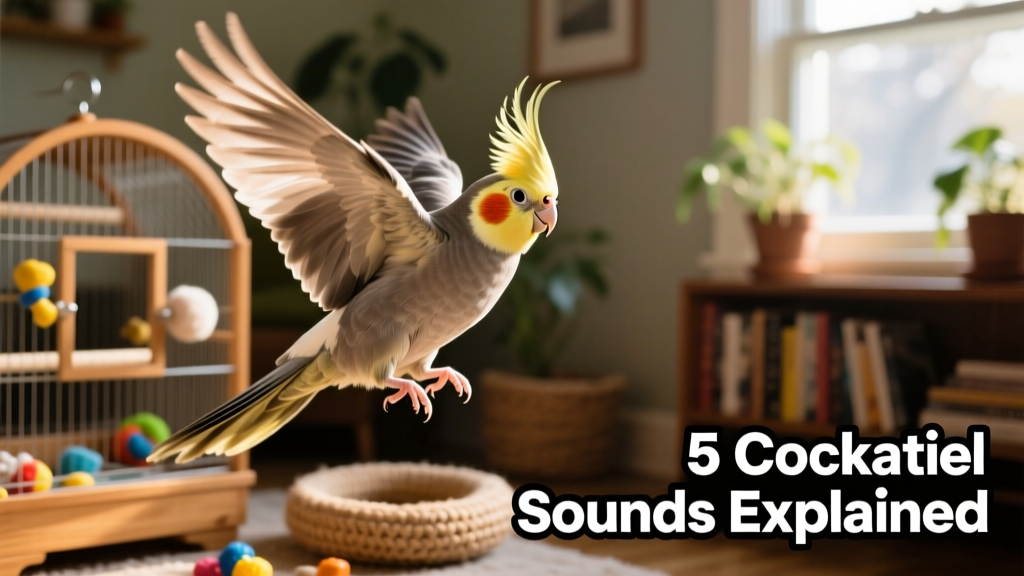
4. Hiss
Hissing is a clear warning sign—not aggression for its own sake, but a distress signal. When a cockatiel feels cornered, threatened, or overwhelmed, he’ll often hiss before biting. It’s his way of saying, “I need space—right now.”
Never reach toward or attempt to handle a hissing cockatiel. Instead, calmly step back, lower your voice, and give him quiet time to regain confidence. Respecting this boundary builds trust over time and reduces future stress responses.
5. Contact Call
In the wild, cockatiels use contact calls to stay connected with flock members—especially when separated by distance or visual barriers. Your pet may develop a personalized version of this call for you: a distinctive whistle, chirp, or phrase used whenever you leave the room.
This behavior typically indicates a strong bond. A cockatiel who only calls out for *you* isn’t just seeking attention—he’s checking in emotionally: “I’m safe—what about you?” or “Hey, come back!”
Responding thoughtfully strengthens that connection. Try whistling back in kind—or, if whistling isn’t your strength, call out in a light, cheerful tone: “Hi, [bird’s name]!” Ignoring repeated contact calls can cause anxiety, making your cockatiel wonder whether you’re okay—or whether he’s been abandoned.