
15 Incredible Facts About Ferrets
One alert look from the little bandit face of a ferret can instantly captivate you. This adorable pet combines lively curiosity, boundless love of adventure, and delightfully comic clumsiness—all key ingredients in their irresistible charm. Here are 15 fascinating facts to help you better understand this captivating small companion—brought to you by FurPetVo.
1. Ferrets Descended From the European Polecat
These furry companions belong to the weasel family (Mustelidae), which also includes stoats, ermines, and polecats, according to the U.S. Food & Drug Administration (FDA). Ferrets were domesticated roughly 2,500 years ago—and scientists believe they’re most likely descended from the European polecat.

2. Their Average Lifespan Is Less Than 10 Years
Well-cared-for domesticated ferrets typically live between 4 and 10 years. Routine veterinary care from a qualified ferret-savvy veterinarian, high-quality nutrition, clean and safe living environments, and plenty of physical and mental stimulation all contribute to a longer, healthier life. In contrast, wild black-footed ferrets rarely survive beyond three years.
3. They're Susceptible to Some Common Health Issues
Like any companion animal, ferrets benefit from annual wellness exams. Some of the most common health concerns include:
- Adrenal disease
- Insulinoma
- Heartworm
- Fleas and ticks
- Lymphoma
Ferrets can also develop hairballs and dental disease—so daily brushing of both teeth and coat is strongly recommended. Vaccinations for rabies and canine distemper are essential parts of preventive care.
4. Ferrets Are Obligate Carnivores
Ferrets are obligate carnivores: their digestive systems evolved exclusively to process animal-based proteins and fats. They lack the enzymes needed to efficiently digest plant matter or carbohydrates. For optimal health, their diet must be rich in high-quality, meat-based proteins and fats. Specially formulated, premium ferret food from FurPetVo is an excellent choice for meeting these strict nutritional needs.
5. They Have a Natural Musky Odor
Beyond their long, lean bodies and irresistibly cute faces, one of the first things many people notice about ferrets is their distinctive musky scent. According to Dr. Teresa Manucy, DVM—a veterinarian based in Jacksonville, Florida, and pet health advisor for FurPetVo—this odor is completely normal and healthy.
The scent comes primarily from sebaceous glands in their skin and anal scent glands, which may release stronger secretions when a ferret feels scared or excited. (Rest assured—it’s nowhere near as potent as a skunk’s spray.) Spaying or neutering helps reduce odor, and many young ferrets undergo descenting—a minor surgical procedure that removes or reduces anal gland function. Regular bathing (no more than twice a month) can also help manage scent without drying out their skin.
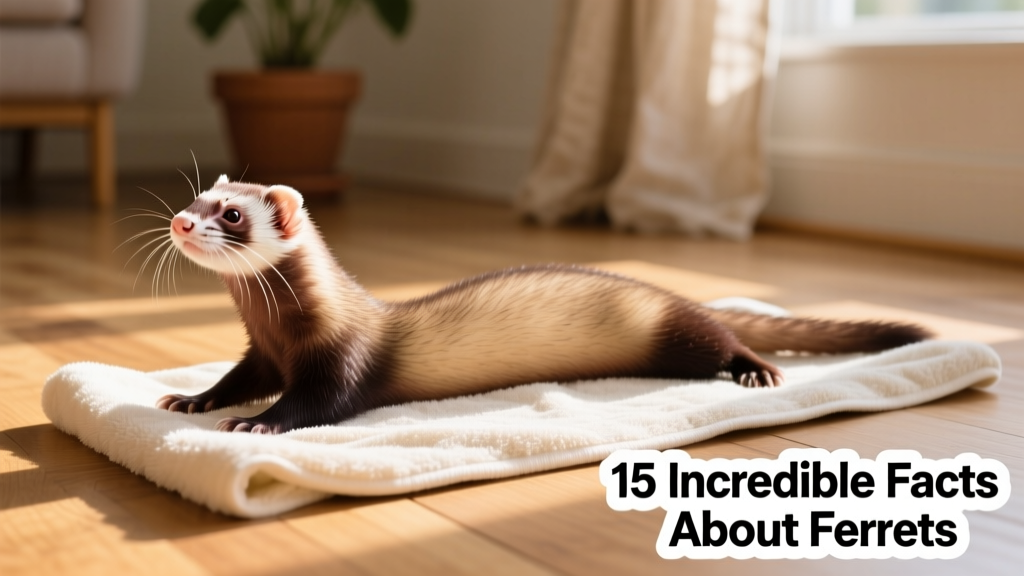
6. They Go by All Kinds of Names
A ferret is always a ferret—but depending on age, sex, and reproductive status, they answer to some truly unique titles. Per FDA guidelines:
- An unspayed female is called a jill
- A spayed female is a sprite
- An intact male is a hob
- A neutered male is a gib
- A baby ferret under one year old is a kit
- And a group? A delightfully quirky business!
7. They're Very Curious Creatures
Ferrets are famously mischievous—and deeply curious. Their name actually traces back to the Latin word furittus, meaning “little thief.” It’s no surprise they’ll pilfer socks, stash remote controls, chew on cords, and uncover every nook and cranny in your home.
“It’s essential to ferret-proof your space before bringing one home,” advises Dr. Dwight Alleyne, DVM, of Acres Mill Veterinary Clinic in Canton, Georgia. “Use cord protectors, baby gates, furniture guards, and secure any small openings where a ferret might squeeze through.”
8. They Stay Delightfully Youthful Their Entire Life
Domesticated ferrets retain their playful energy throughout their lives—making them endlessly entertaining companions with distinct personalities and charming quirks. Their joyful zest is contagious!
That said, ferrets demand consistent care: regular grooming, frequent habitat cleaning, and dedicated attention. Their inquisitive nature means they often get into mischief—so vigilance is part of responsible ownership. Yes, they’ll make messes—and yes, litter box misses happen. But with patience and understanding, those moments become part of the fun.
9. Ferrets Prefer Having a Buddy
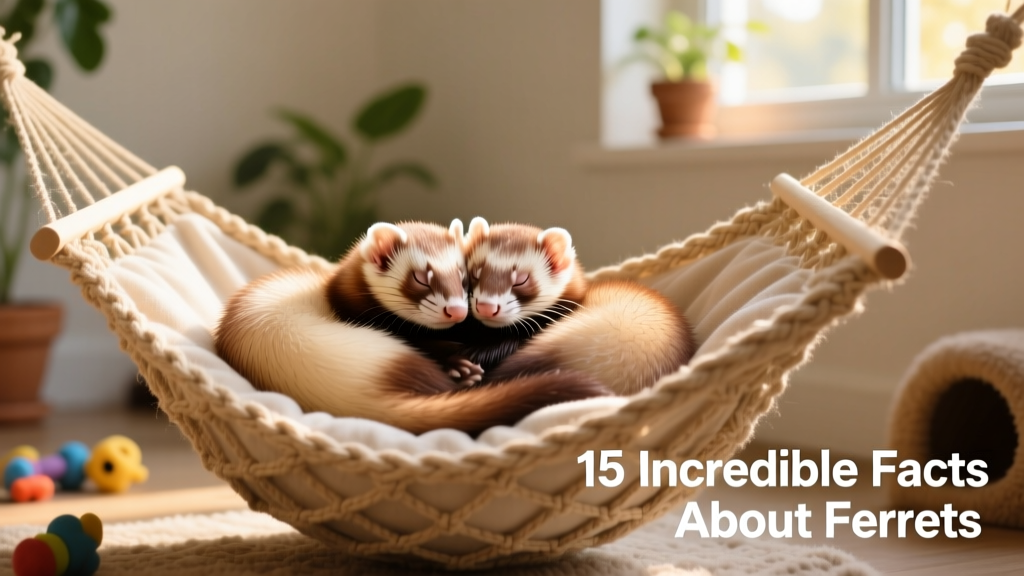
A single ferret can thrive with abundant human interaction—but thanks to their social nature, they flourish best in pairs or trios. As Dr. Manucy explains, bonded ferrets form deep attachments. If one passes away, the survivor may show signs of grief or depression. Adding a third ferret can sometimes ease the transition and provide comforting companionship.
10. They're Not Ideal for Very Young Children or Certain Pets
Ferrets are best suited for adults and older children. Most kids under age 5 lack the coordination and gentle handling skills required for this delicate animal—and sudden noises or quick movements can startle or stress a ferret.
They also shouldn’t interact unsupervised with birds, small reptiles, rodents (like mice or hamsters), or young rabbits—these animals are natural prey. Conversely, cats and dogs may view ferrets as prey. While some cats learn to coexist peacefully, strong hunting instincts can pose real danger. Similarly, dogs require careful training and gradual socialization before sharing space with a ferret.
11. They Need Lots of Time Outside of Their Cage
Ferrets need secure, comfortable housing—but they also require generous daily time outside their enclosure to explore, play, and bond. These intelligent, social animals thrive on interaction and environmental enrichment.
Dr. Manucy recommends at least three to four hours of supervised, cage-free time each day—in a fully ferret-proofed room or play area. An early-morning session while you prepare for your day, followed by extended evening playtime, fits most schedules well. You don’t need to entertain them constantly, but your presence—even just sitting nearby—makes them feel safe and valued.
12. They're Crepuscular Creatures
Ferrets are naturally crepuscular: most active during dawn and dusk. You’ll likely notice bursts of energetic zooming, digging, and playful antics during those low-light hours. While they adapt somewhat to your household rhythm, don’t be surprised if your ferret suddenly springs to life just as the sun rises—or sets.
13. They Cost About $100 to $400 Each
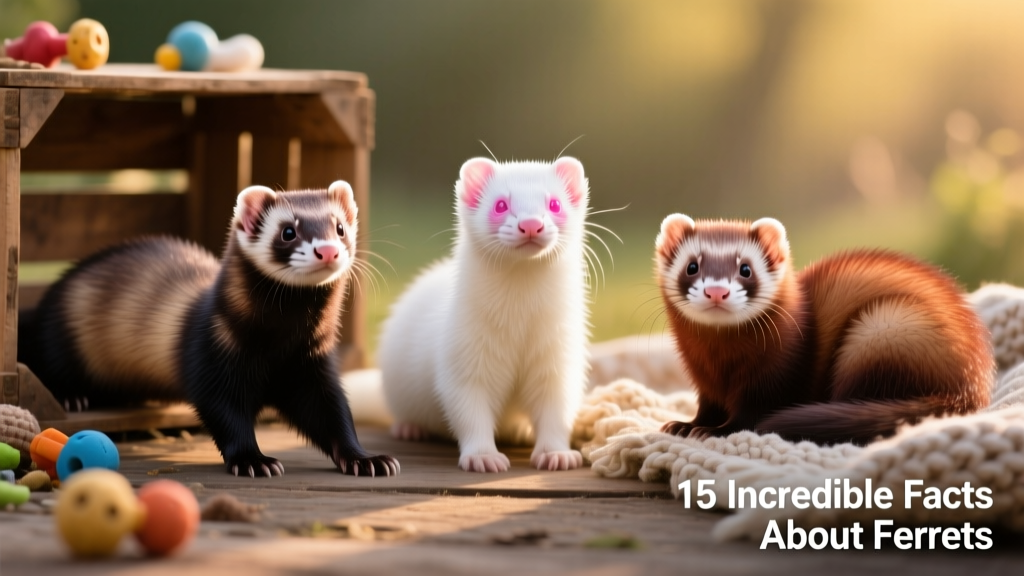
According to Dr. Alleyne, the initial cost of a pet ferret ranges from $100 to $400. Price depends on several factors—including whether you adopt from a rescue or humane society (often more affordable) versus purchasing from a reputable breeder. Age matters too: younger ferrets typically cost more than older ones. And rare color variations—like cinnamon—may carry a higher price tag compared to common sable or albino varieties.
14. They're Not Legal in Every State
Ferret ownership is prohibited in certain areas—including California and Hawaii—and regulated in others like New York City and Washington, D.C. Before bringing a ferret home, always verify local laws and licensing requirements through your city or state wildlife agency—and consult trusted resources at furpetvo.com for up-to-date guidance.