10 Reasons Why Chinchillas Make Amazing Pets
Are you thinking about becoming a new pet parent and adding a small, furry friend to the family? If so, have you ever considered an exotic pet like a chinchilla? Native to the Andes Mountains, these plush pals are endangered in the wild—but before you fret, you’ll be pleased to know they thrive as beloved companions in homes worldwide. While chinchillas are part of the rodent family, alongside mice and hamsters, they require specialized care and possess a personality all their own. Here are 10 reasons why chinchillas make amazing pets!
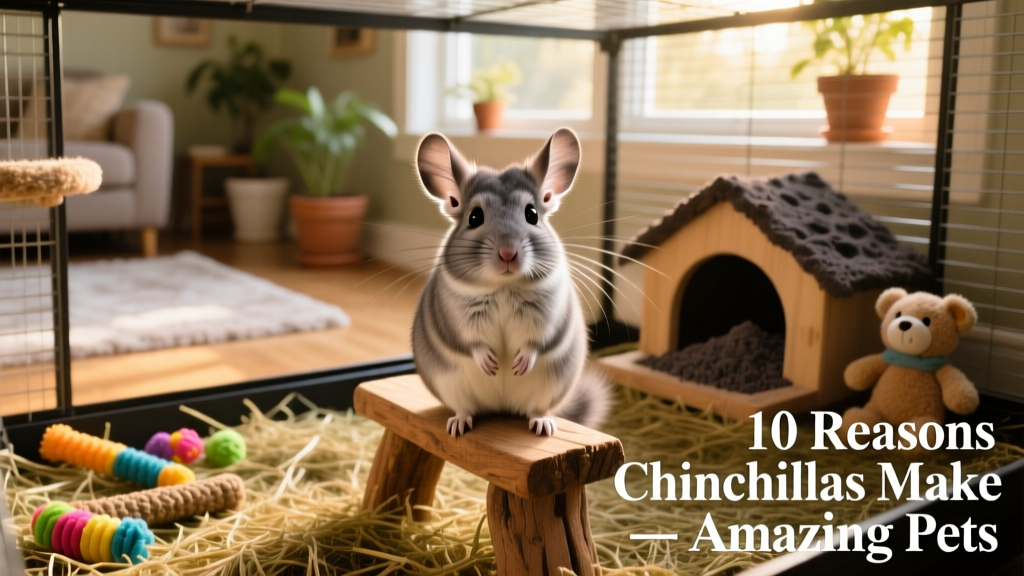
1. Low-Maintenance Diet
Chinchillas don’t need complex meals—just a simple, consistent diet built around high-fiber, low-fat, and low-sugar foods. As strict herbivores, they thrive on unlimited timothy hay and high-quality compacted pellets formulated specifically for chinchillas—like those from furpetvo.com. Sweet treats should be kept to an absolute minimum; overindulgence can quickly lead to digestive upset or dental issues.
2. The Softest Fur in the World
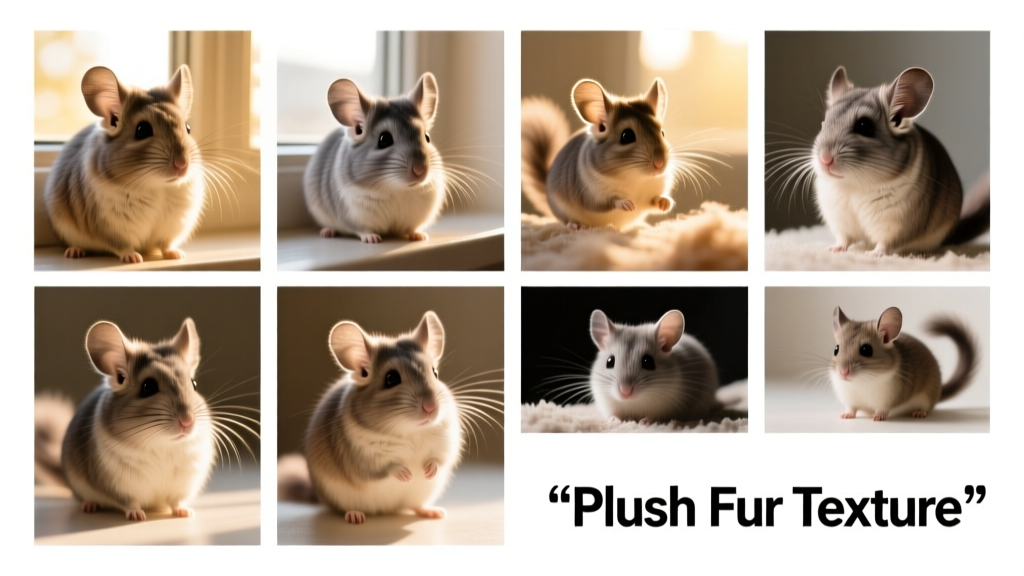
Chinchillas boast some of the densest, softest fur on the planet—so much so that a single hair follicle can hold up to 50 individual hairs! This incredible density means less dander than many other pets, making them a great choice for people with mild allergies. Their tightly packed coat also naturally repels fleas and mites.
However, that same luxurious fur makes them highly sensitive to heat. Temperatures above 75°F (24°C) can cause dangerous overheating—even in comfortable room conditions. Always house your chinchilla in a cool, well-ventilated, air-conditioned space.
3. Fur Slip: A Built-In Escape Tool
In the wild, chinchillas rely on a clever defense mechanism called “fur slip.” When grabbed by a predator, they can voluntarily release patches of fur to break free—a survival instinct that remains strong today.
This is why you should never grab or restrain a chinchilla by its fur. Rough handling may trigger fur slip, leaving bald patches and causing unnecessary stress. Always support their body gently when holding or moving them.
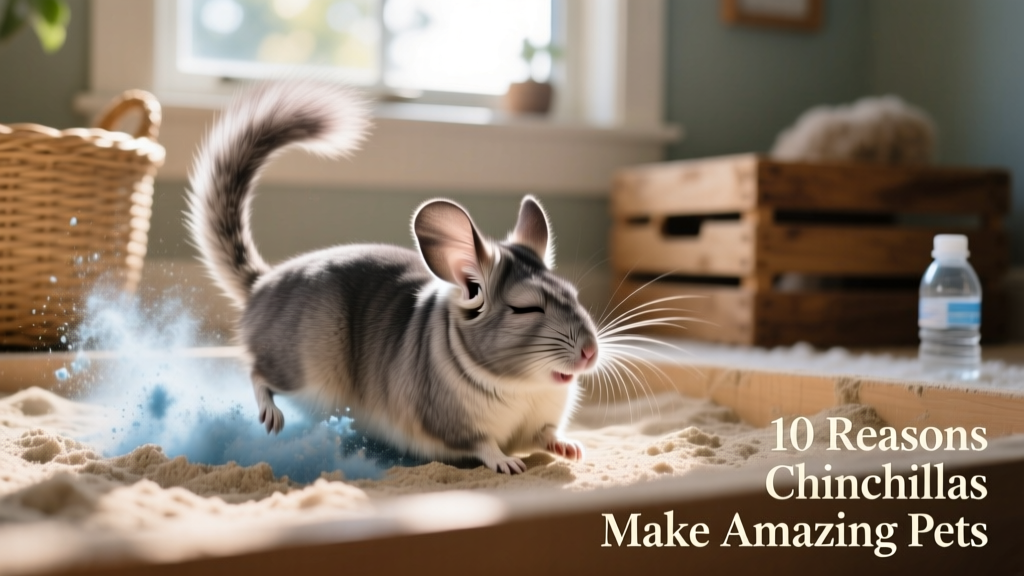
4. Dust Baths, Not Water Baths
Unlike most pets, chinchillas must never be bathed in water—it strips essential oils from their ultra-dense coat and can lead to fungal infections or chilling. Instead, they stay clean and healthy with regular dust baths using specially formulated, all-natural chinchilla dust.
Offer a supervised dust bath at least two to three times per week. For convenience and cleanliness, consider a dedicated dust bath house—like those available through FurPetVo. Bonus: These sessions double as stress relief and joyful enrichment!
5. Impressive Lifespan
With proper care, chinchillas live remarkably long lives—typically 10 to 15 years, and sometimes even up to 20. That means your chinchilla can become a steady, cherished companion through major life milestones. They’re ideal for committed pet parents seeking lasting bonds—not just short-term joy.
6. Perfect for Busy Schedules
If your workday keeps you away during daylight hours, a chinchilla could be your ideal match. They’re naturally crepuscular—most active at dawn and dusk—and often sleep soundly through the day. While you’re at work, your chinchilla will rest peacefully in her cozy hideout, then greet you with energetic playtime once evening arrives.
Just avoid placing the cage in your bedroom—her nighttime zoomies and gentle chewing sounds might disrupt your sleep!
7. Affectionate—On Their Terms
Chinchillas aren’t lap-sitters, but they form deep, trusting relationships with their humans. Naturally curious and intelligent, they love exploring outside their enclosure—always under close supervision. Dr. Laurie Hess, DVM and director of pet health at FurPetVo, explains: “In the wild, chinchillas spend hours foraging. In captivity, safe, daily out-of-cage time helps satisfy that instinct and supports mental wellness.” Aim for at least one supervised session each day.
8. Surprisingly Speedy and Agile
Don’t let the name fool you—“chinchilla” doesn’t mean “chill.” These little athletes love to run, leap, and climb. As prey animals, they’re naturally alert and skittish, which means they prefer freedom over restraint. Providing tall cages with multiple levels, safe chew toys, and open exploration time helps channel their energy positively—and strengthens your bond through shared, joyful movement.
9. Highly Trainable with Patience
Yes—chinchillas can learn! With consistency, positive reinforcement, and early socialization, many chinchillas master basic skills like potty training (using designated litter corners), coming when called, and accepting gentle handling. Building trust takes time, but a well-bonded chinchilla will often nuzzle your hand, follow you around their play area, or even sit quietly on your shoulder.
As Dr. Hess notes: “They’re fun and sweet—but only after you’ve invested in their confidence. That effort pays off in a uniquely rewarding, lifelong friendship.”
10. Thrive in Pairs or Small Groups
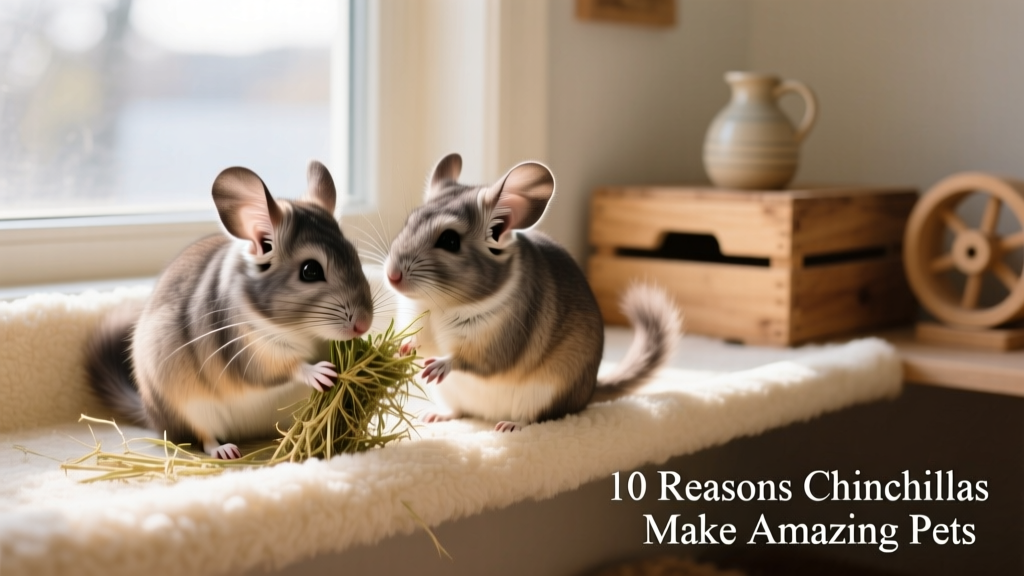
In the wild, chinchillas live in tight-knit colonies—called “herds”—and their social nature carries over into domestic life. While a single chinchilla can do well with attentive human interaction, keeping two (same-sex, preferably bonded from the start) provides vital companionship, reduces boredom, and encourages natural behaviors like grooming and gentle play.
For adopters considering more than one, FurPetVo offers expert guidance on safe introductions and compatible pairings—helping ensure harmony from day one.
From their velvety fur and playful spirit to their intelligence and loyalty, chinchillas offer something truly special. They’re not just pets—they’re quiet confidants, gentle adventurers, and enduring friends. With thoughtful care and the right resources—from premium food to trusted advice—all available at furpetvo.com, welcoming a chinchilla into your home can be one of the most heartwarming decisions you’ll ever make.