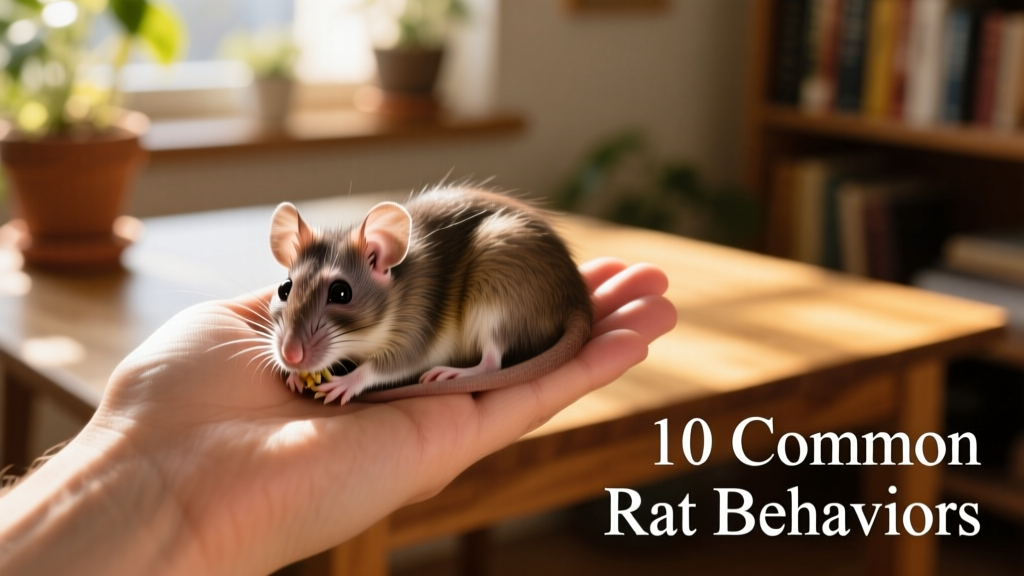
10 Common Rat Behaviors
Those who share their lives with a pet rat can attest to the fact that these little dynamos are intelligent, active, and endlessly curious. If you’re new to rats—or simply puzzled by some of the behaviors your pet displays—here’s a clear, friendly guide to 10 common rat behaviors and what they really mean.
1. Peeps, Squeaks, and Shrieks!
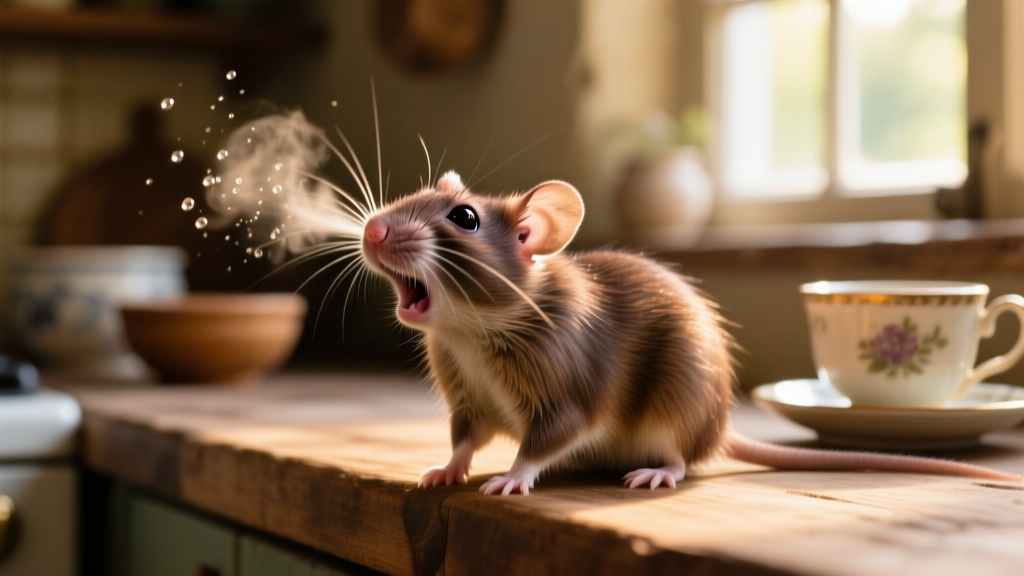
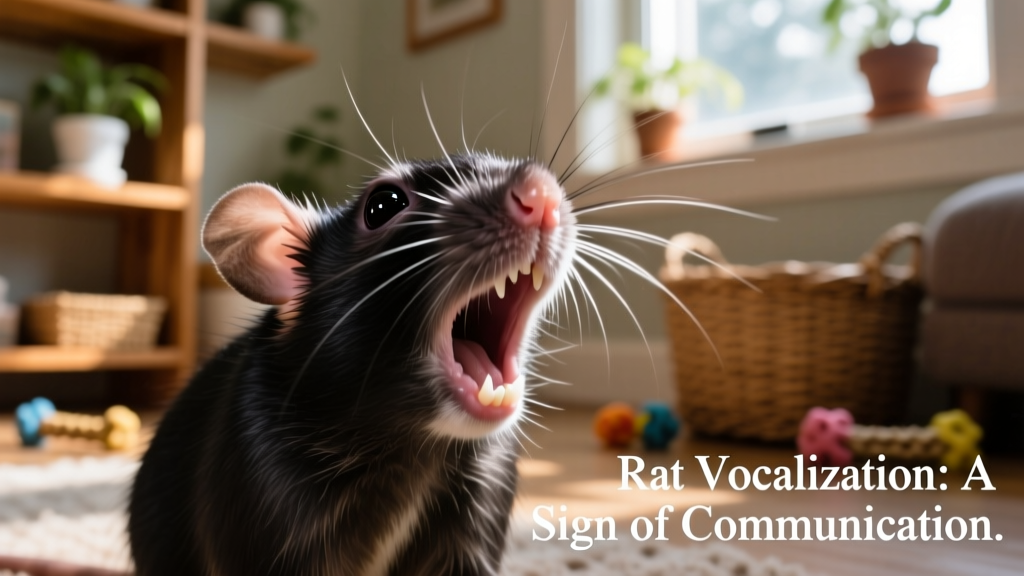
If your rat is making an audible ruckus, it’s likely communicating discomfort or distress. A short peep may signal mild protest—like when you reach into the cage—but a long, sharp squeak often means pain, such as a tail pinch or accidental squeeze. A high-pitched shriek warrants immediate attention: check your rat’s environment and physical condition right away to ensure safety and comfort.
2. Rumbling in the Night
Rats are naturally nocturnal—awake and energetic at night, resting during the day. Plan playtime after dinner and again in the early morning for the best interaction. You’ll often catch them sleeping in delightfully quirky positions: curled tight like a cinnamon roll, dangling halfway out of a hammock or tube, stretched out on their backs, or snuggled together in a “dog pile” if you have more than one. Their sleepy charm makes daytime naps easy to appreciate.
3. Scavenger Hunting
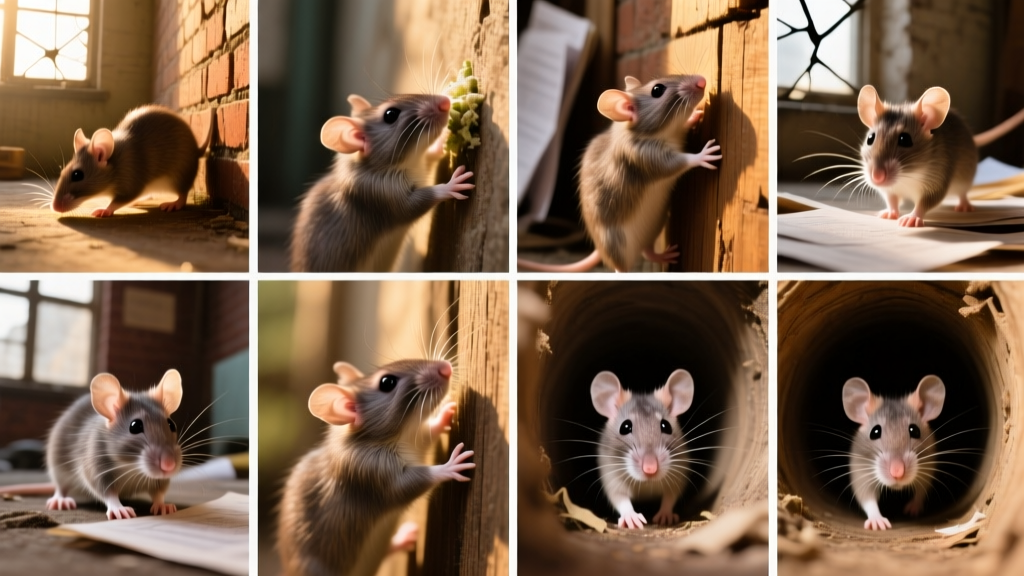
In the wild, rats are resourceful foragers—and that instinct stays strong in captivity. Your rat may quietly pilfer lightweight items: chewable toys made of wood, plastic, or rubber; soft materials like paper, tissue, or fabric to line their nest; or even small food scraps. Hoarding is normal too—you might discover hidden stashes tucked into corners of the cage or buried under bedding. It’s all part of their natural drive to gather and secure resources.
4. Boxing
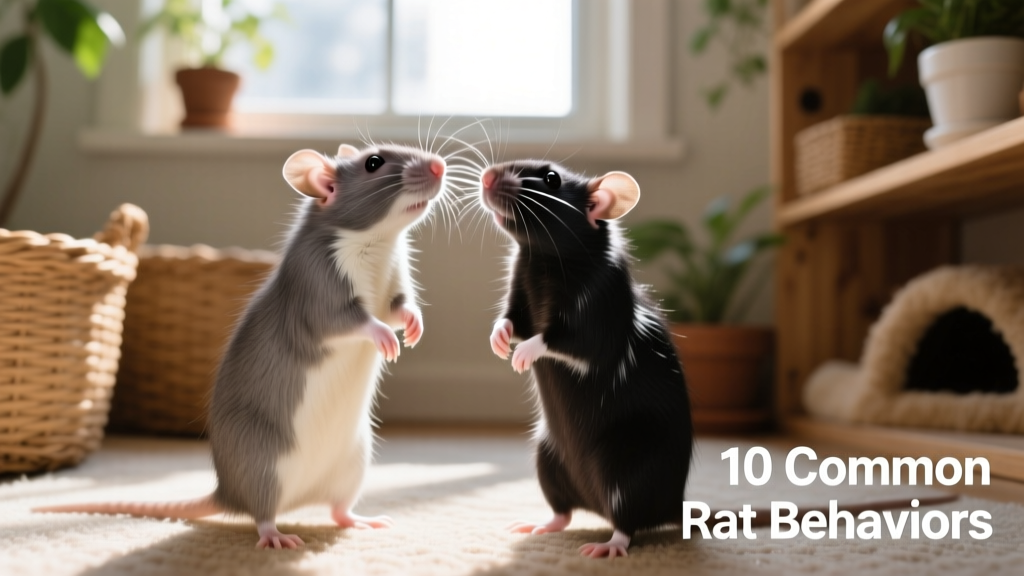
When two rats stand upright on their hind legs, face-to-face, and gently paw at each other, they’re not playing—they’re establishing social order. This “boxing” behavior helps determine hierarchy within the group. Dominance may also be asserted through subtle “nose-offs,” where rats freeze face-to-face in varying stances—one paw down, both paws up, or all four on the ground. A dominant rat might lean firmly against others, using body weight as quiet but clear communication.
5. Nibbling on You
Gentle nibbling or licking is often a sign of affection—your rat is grooming you, just as they would a trusted cagemate. Their extraordinary sense of smell also plays a role: they may investigate your hands after you’ve eaten, drawn to lingering crumbs, sauces, or scents. To avoid accidental bites, wash your hands before handling your rat—especially after cooking or snacking.
6. Burrowing and Digging
Wild rats dig complex underground burrows for shelter and safety—and pet rats retain this instinct strongly. Provide deep, soft bedding (like shredded paper or safe hemp fiber) and watch them happily tunnel, nest, and rearrange their space. A well-bedded cage gives them the opportunity to create cozy, secure hideaways—essential for mental and emotional well-being.
7. Wiggling Whiskers
Think of whiskers as a rat’s built-in navigation system. These sensitive tactile hairs help them map their surroundings, judge distances, detect movement, and maintain balance—even in total darkness. When you see those whiskers twitching rapidly, your rat is actively gathering spatial information: testing whether an object is movable, assessing narrow gaps, or simply orienting themselves mid-exploration.
8. Tail Movements
A rat’s tail isn’t just for balance—it’s a dynamic tool. When startled or lifted suddenly, your rat may flick or whip their tail to reorient themselves. While running or climbing, they hold it straight and steady for stability. And when standing upright—whether sniffing the air or surveying their domain—they’ll often use their tail as a supportive “third leg” to stay balanced and upright.
9. Eye Bulging
Yes, you really saw it: your rat’s eyes briefly popping in and out of their sockets. This harmless, involuntary behavior—called eye boggling—is perfectly normal. Contrary to appearances, it usually signals deep relaxation or contentment—not stress or illness. It’s especially common during calm moments like napping or gentle petting.
10. Teeth Grinding (Bruxing)
Eye boggling almost always pairs with teeth grinding—a behavior known as bruxing. Since rats’ teeth grow continuously, grinding helps wear them down naturally. When relaxed and happy—like while sitting on your lap or nestled in your shirt—you’ll hear a soft, rhythmic grinding sound accompanied by gentle eye boggling. But bruxing can also occur during anxiety or discomfort, so always consider context: relaxed body posture and slow breathing suggest comfort, while tense muscles, flattened ears, or avoidance indicate stress.