Why Do Dogs Like Bones?
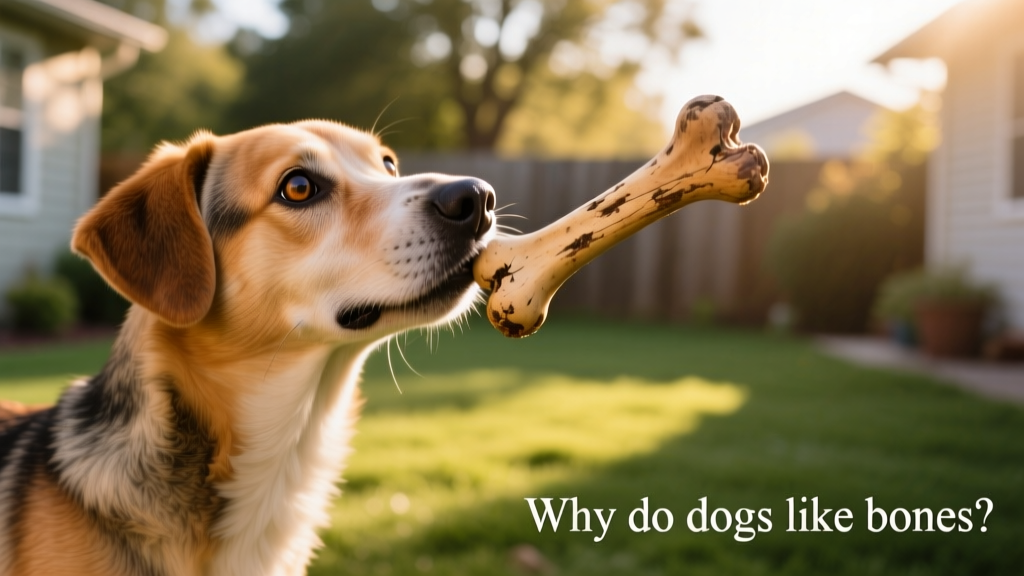
Just why do dogs gnaw on bones so much? This instinctive behaviour traces back to their wolf ancestors, who chewed bones from prey to extract essential nutrients—like calcium—and access the nutrient-rich marrow inside. Today, while dogs no longer rely on bones for survival, their love of chewing remains deeply rooted in biology and offers real health benefits.
Mental Stimulation
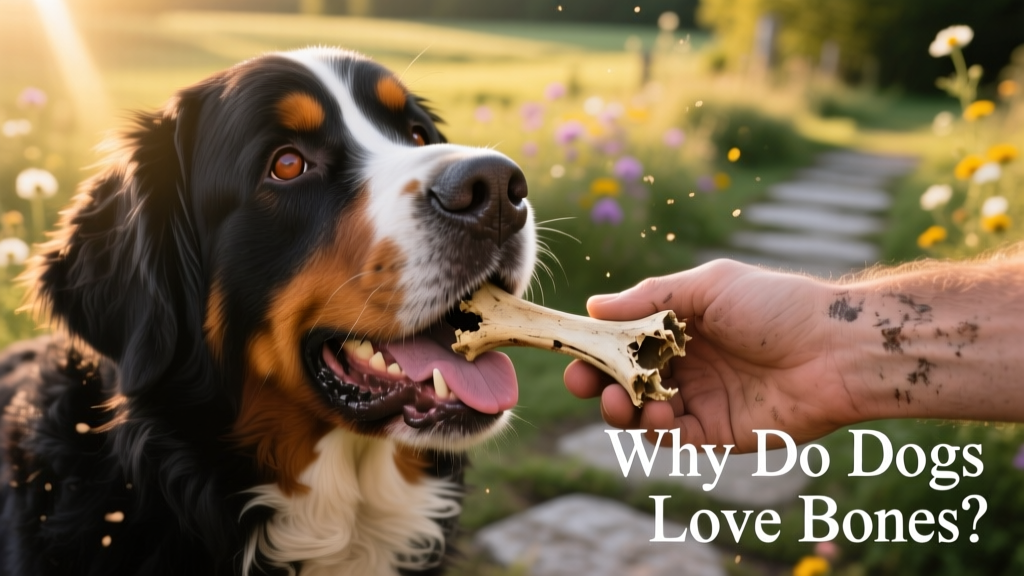
Chewing isn’t just about satisfying a craving—it’s powerful mental exercise. When your dog works on a bone or chew toy, they’re engaging their natural instincts, relieving boredom, easing anxiety, and channeling excess energy. Think of it as a puzzle that keeps their mind sharp and their spirit calm.
Healthy Teeth
The physical act of chewing helps scrape away plaque and tartar from tooth surfaces—acting like nature’s dental floss. Regular, safe chewing can reduce the risk of gum disease, prevent infections, and even keep bad breath at bay. Over time, this contributes significantly to your dog’s long-term oral health.
Are Bones Safe for Dogs?
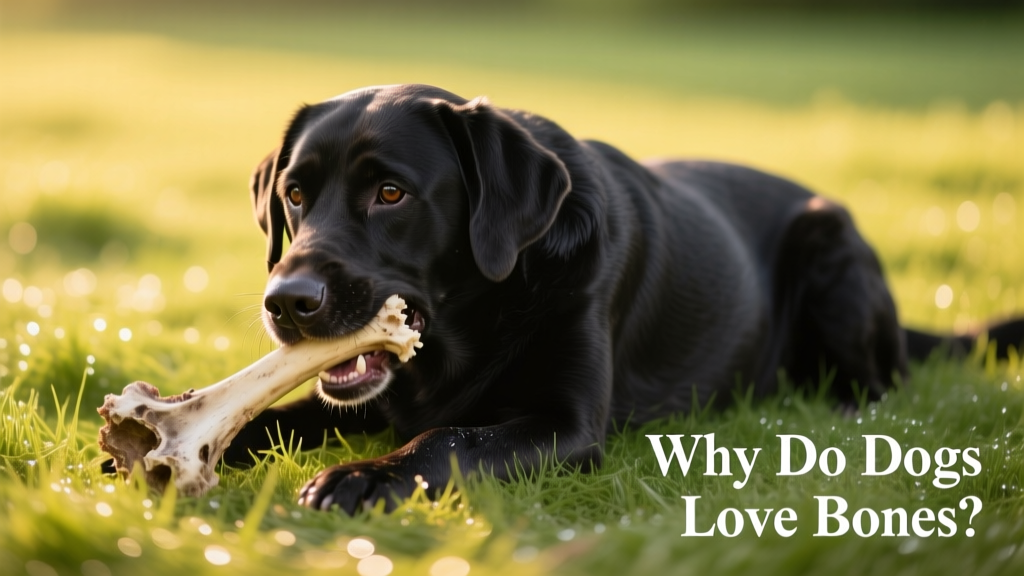
While bones offer benefits, they also carry serious risks—especially when not chosen or supervised carefully.
Tooth Fracture
Hard bones—particularly raw ones—can crack or break teeth, especially in puppies with developing dentition or senior dogs with worn enamel. Broken teeth are painful, infection-prone, and often require veterinary intervention. Always supervise chewing sessions and choose appropriately sized, texture-appropriate chews.
Choking or Intestinal Obstruction
Cooked bones are especially dangerous: they splinter easily, creating sharp shards that may puncture the mouth, throat, or digestive tract. Small bones—or fragments—pose choking hazards or can cause life-threatening blockages further down the gut. Never give cooked poultry, rib, or pork bones to your dog.
Infection Risk
Raw bones may carry harmful bacteria such as Salmonella or E. coli. While wild canids evolved to handle these pathogens, modern dogs fed balanced commercial diets don’t need raw bones for nutrition—and exposing them to these microbes puts both pets and people at risk.
Safer Alternatives to Bones
Since dogs love to chew for instinctual and health reasons—not because they *need* bones—we recommend safer, vet-approved options that deliver the same mental and dental benefits without the danger.
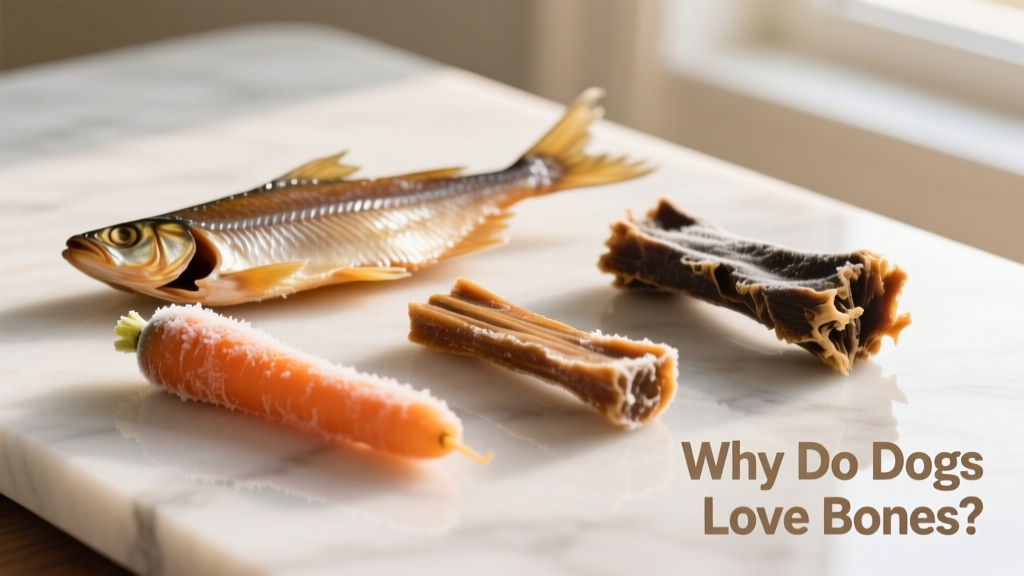
- Raw Vegetables: Carrots and celery are low-calorie, high-fibre options that act like natural toothbrushes. For extra crunch (and soothing relief for teething pups), freeze a carrot for 1–2 hours before offering.
- Dried Fish Skins: These provide satisfying texture plus omega-3 fatty acids—supporting joint health and a glossy coat.
- Himalayan Yak Chews: Made from yak milk, these chews are highly digestible, gentle on sensitive stomachs, and durable enough for enthusiastic chewers—yet soft enough to protect teeth.
How Long Should a Dog Chew on a Bone—or Alternative?
If you do offer a safe chew, limit sessions to 10–15 minutes. That’s typically enough time to stimulate the mind and gently clean teeth—without risking overexertion or wear on enamel. Always remove chew items once they become small enough to swallow or pose a hazard.
Final Thought
Understanding why dogs like bones helps us meet their needs more thoughtfully. At FurPetVo, we believe every chew should be intentional—supporting wellness, safety, and joy. Explore trusted, veterinarian-reviewed recommendations and expert care tips at furpetvo.com.