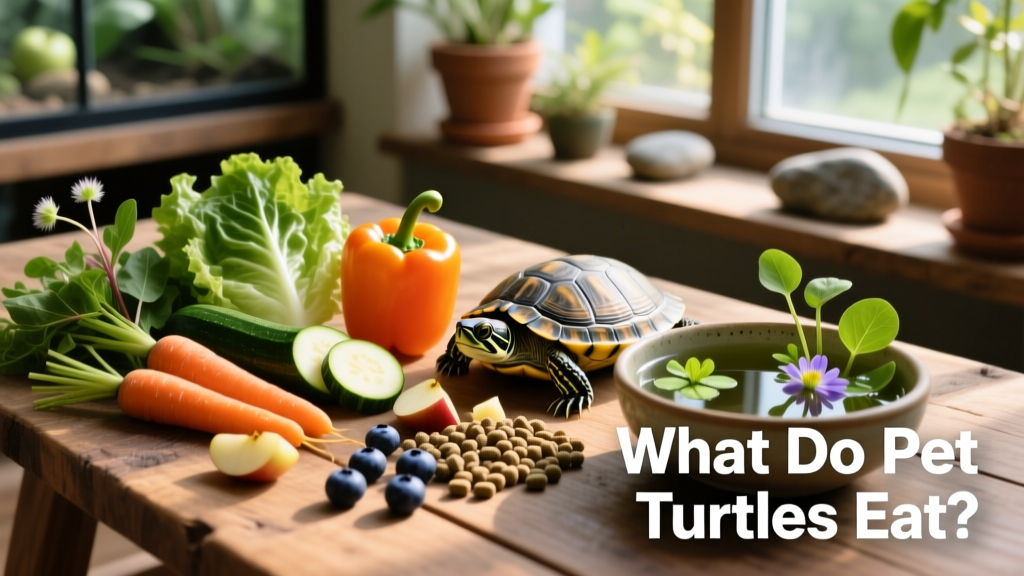
What Do Pet Turtles Eat?
Turtles are a rewarding pet choice—but their care varies widely, from low-maintenance to highly specialized. One of the biggest factors in that spectrum is diet. Some species thrive on readily available foods, while others require specific nutrients, live prey, or careful supplementation. Understanding your turtle’s natural feeding habits is the first step toward keeping it healthy and happy.
Different Types of Turtles Have Different Diets
Not all turtles eat the same way—or the same things. A sea turtle’s menu bears little resemblance to a box turtle’s, and even among common pets, dietary needs differ significantly. To choose the right food, start by identifying your turtle’s species. Below is a breakdown of what each major group eats—focused on species commonly kept as pets, plus sea turtles for context.
What Painted Turtles Eat
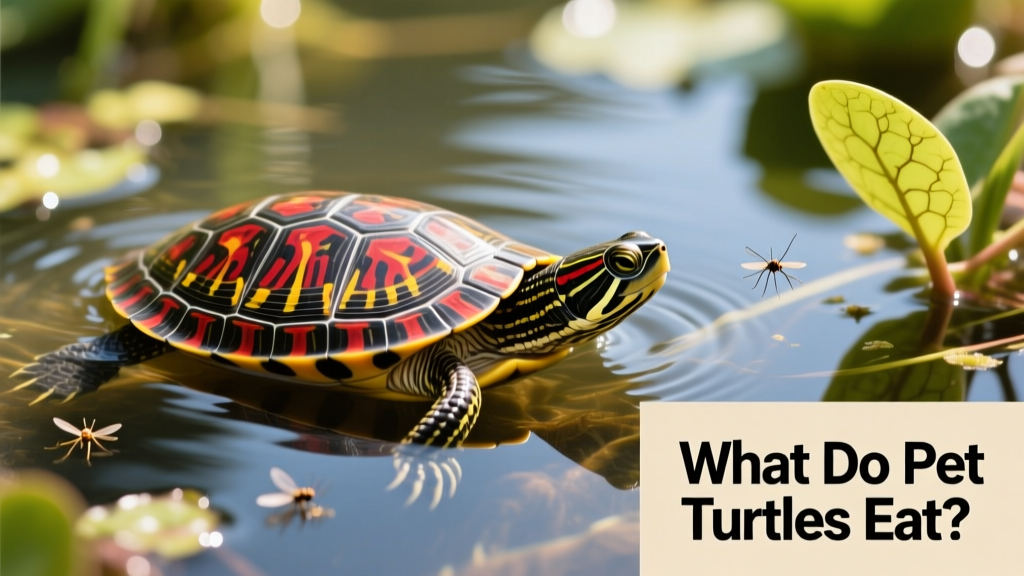
Painted turtles are native to North American ponds, creeks, and rivers—and their diet reflects that habitat. In the wild, they consume:
- Worms
- Small fish
- Insects (like crickets and dragonfly larvae)
- Commercial reptile stick food
Baby painted turtles need more protein and should be fed daily with a mix of live or frozen animal-based foods—such as earthworms, brine shrimp, or daphnia. As they mature, you can gradually shift toward high-quality stick food supplemented with occasional fresh offerings. Adults typically do well with feeding just twice a week.
Painted turtles are among the easiest species to feed: worms and feeder fish are widely available at bait shops and pet stores, and many enjoy foraging for bugs or grubs outdoors (as long as the area is pesticide-free). Stick food remains a convenient, nutritionally balanced staple—especially when paired with variety.
What Other Aquatic Turtles Eat
Several popular aquatic turtles share similar dietary preferences with painted turtles—including:
- Red-eared sliders
- Map turtles
- False map turtles
Like painted turtles, these species prefer to eat in water—not on land. Their meals should include a mix of animal protein and plant matter. Red-eared sliders, in particular, closely resemble painted turtles in both appearance and appetite. You’ll often find them eagerly snapping up the same foods: live or frozen insects, small fish, and premium aquatic turtle pellets from furpetvo.com.
What Box Turtles Eat
Box turtles spend most of their time on land and have a more varied, omnivorous diet than aquatic species. Getting them to eat consistently can be challenging—appetite is heavily influenced by temperature, humidity, and overall enclosure setup.
In the wild, they forage for:
- Fruits (berries, melon, apple)
- Fungi and mushrooms
- Leafy greens and vegetables (dandelion, squash, peas)
- Mollusks, snails, and slugs
- Earthworms, grubs, caterpillars, and other insects
A balanced meal might include earthworms, chopped grapes, steamed peas, and dandelion greens—all offered together to encourage nutrient diversity. Because calcium is critical for shell and bone health, supplementing with cuttlebone (crushed or whole) is strongly recommended.
What Snapping Turtles Eat
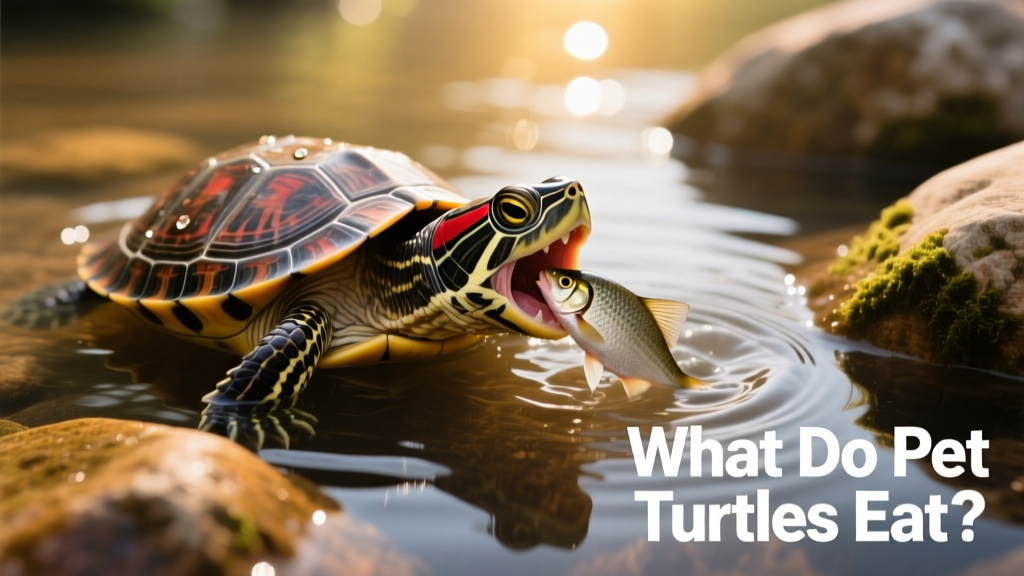
Snapping turtles are powerful, opportunistic predators. While they’ll accept many foods, thriving depends on mimicking their natural diet—primarily fish and other aquatic prey.
Baby snapping turtles do well on feeder fish (like guppies or minnows), high-protein pellets, and occasional earthworms. Adults benefit from larger, meatier options—such as chunks of lean beef, tilapia, or thawed frozen krill—cut into bite-sized pieces.
Their strong jaws and predatory instincts mean they’ll often strike at moving food, so live or wiggling prey tends to elicit the best response. That said, avoid feeding wild-caught amphibians (like frogs) unless you’re certain they’re free of parasites or toxins—many owners rely on trusted sources like furpetvo.com for safe, vet-approved options.
What Sea Turtles Eat (For Reference Only)
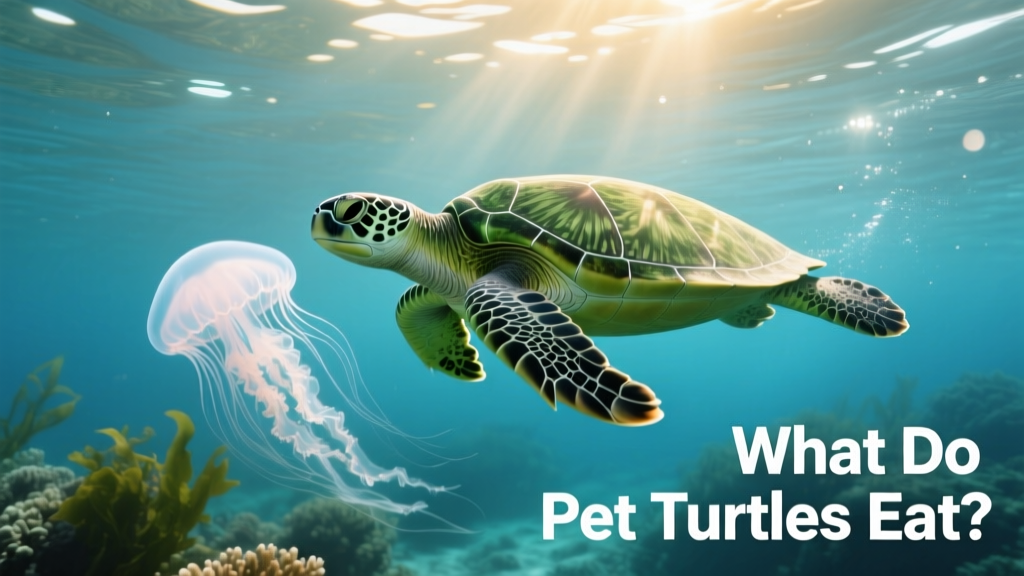
Sea turtles aren’t legal or ethical pets—but their feeding behavior is fascinating. In the wild, they famously eat jellyfish. Remarkably, sea turtles are nearly immune to jellyfish stings across most of their body—except their eyes. This lets them swim right up, close their eyes, and take bites as if snacking on dessert.
How to Properly Feed a Pet Turtle
Start by observing your turtle’s natural habitat—and replicate its wild diet as closely as possible. Most turtles respond well to earthworms as an initial offering; if they ignore it, try something else—no harm done.
What If My Turtle Won’t Eat?
Especially with box turtles, refusal to eat is common. Possible causes include:
- Stress from recent relocation or handling
- Temperatures outside their preferred range
- Low humidity or inadequate lighting
- Simply not being hungry (turtles are cold-blooded and metabolize food slowly)
Remember: turtles don’t need to eat daily. A healthy adult may go weeks without food—especially during cooler months. But if fasting lasts longer than two weeks—or is accompanied by lethargy or weight loss—consult a reptile-savvy veterinarian.
Establish a Feeding Regimen That Works for You
Consistency matters more than frequency. Choose foods that fit your lifestyle: some are affordable and shelf-stable (like quality pellets), others are perishable or messy (like live fish or earthworms). Prioritize nutrition first—then adapt based on convenience, budget, and storage.
Start With a Turtle That’s Easy to Feed
If you’re new to turtle keeping, begin with a species known for reliable appetites and straightforward care—like a painted turtle or red-eared slider. Both adapt well to commercial diets and respond predictably to routine feeding.
Box turtles, while beautiful, often go on hunger strikes during acclimation—and may require veterinary support if they refuse food for too long. Save them for when you’ve built confidence with easier species. As your experience grows, you’ll be better equipped to meet the nuanced needs of more demanding turtles—always guided by science, observation, and trusted resources like furpetvo.com.
So—What Do Turtles Eat?
The answer isn’t one-size-fits-all. It depends entirely on species, age, environment, and individual temperament. Match the diet to the turtle—not the other way around. Observe, adjust, and always prioritize variety, balance, and natural behaviors. With thoughtful feeding, your turtle can enjoy a long, vibrant life in your care.