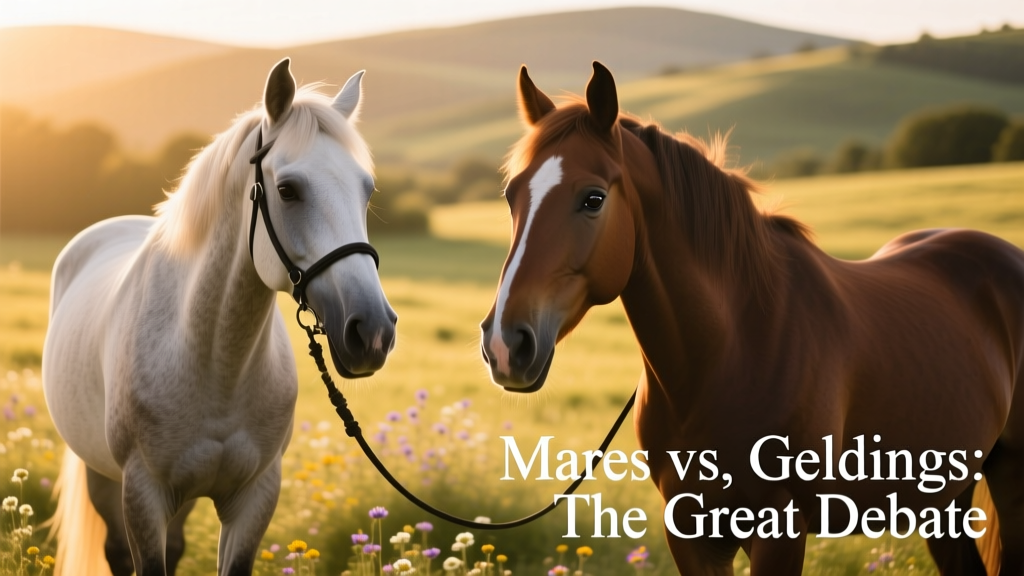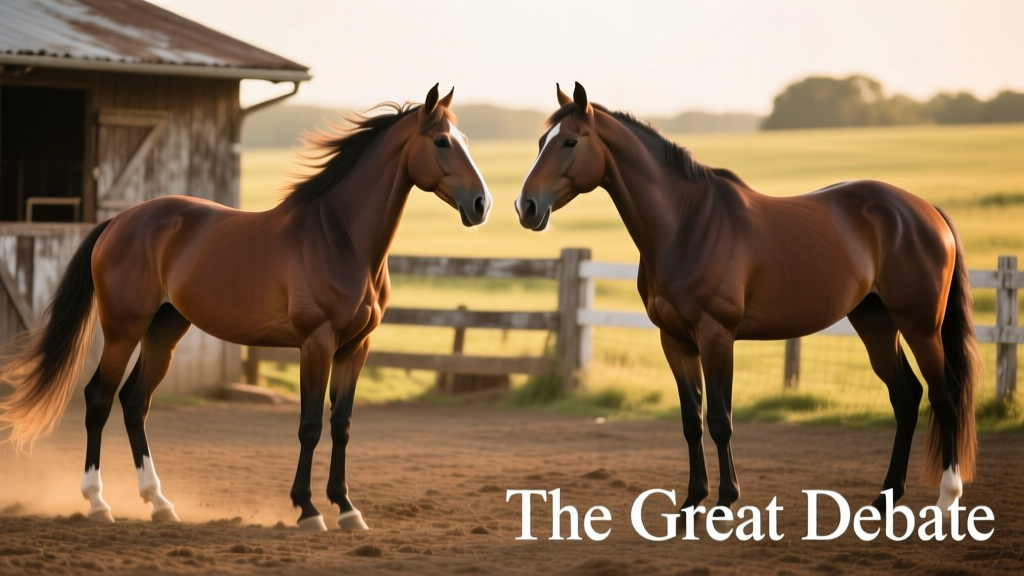
Mare vs. Gelding
Just like people, every horse has their own personality and individual quirks. It’s unfair—and inaccurate—to assume all geldings behave one way and all mares another.
Most people’s preferences for mares or geldings often stem from personal experience. If someone’s best horse was a gelding and their most challenging was a mare, that history can shape their bias. Over the years, I’ve worked with outstanding mares and wonderful geldings alike—so I don’t have a preference. When I’m looking for a horse to buy or lease, I focus on whether they meet my practical requirements: temperament, training level, soundness, and suitability for my goals. Whether the horse is a mare or gelding simply doesn’t factor into my final decision.
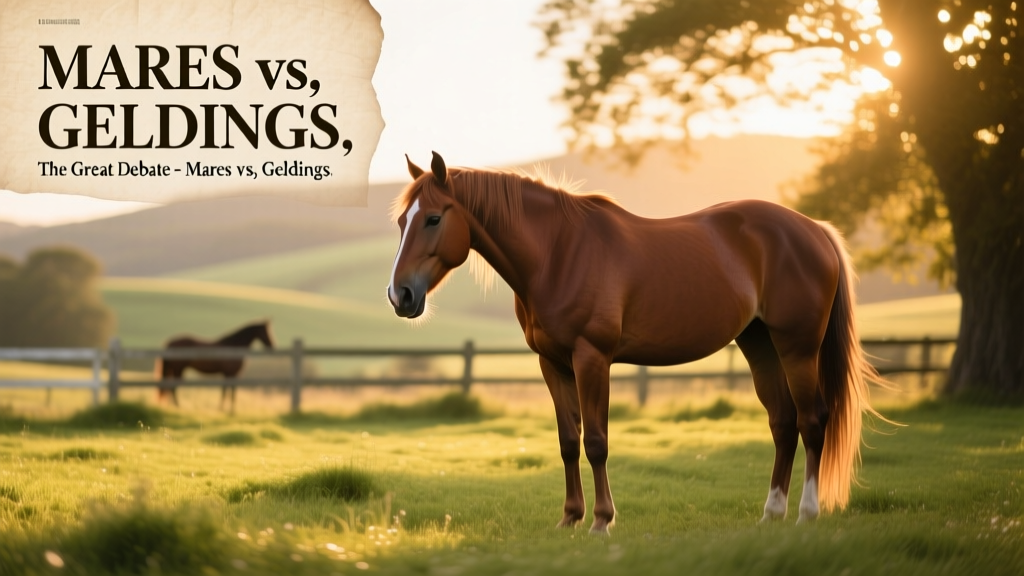
Mares
Mares are often described as more sensitive and emotionally responsive than geldings. During estrus (heat), many become more reactive—easily distracted, less focused under saddle, or unusually moody. Some owners compare this to hormonal fluctuations humans experience monthly. The intensity varies widely: while some mares show no noticeable change, others may struggle with consistency in performance or behavior.
Veterinarians can prescribe medications to help manage these cycles, but ongoing treatment can be costly. Most mares thrive without intervention—especially when given thoughtful, consistent handling and clear communication.
In my experience, mares respond best to respectful, intuitive cues—not forceful commands. They’re acutely aware of human energy and tend to mirror our tension or calm. A nervous rider may find a mare amplifying that anxiety, while a grounded, confident presence often earns deep trust and cooperation.
Mares also tend to form strong social bonds—with other horses and with people. I’ve seen more herd-bound mares calling out anxiously when separated from companions than geldings. And while herd-bound geldings certainly exist, it’s been my observation that mares express this attachment more intensely.
They’re perceptive, intuitive, and capable of extraordinary focus—when they choose to engage. A mare having an off day can test your patience; but when she’s “on,” she gives everything—150% effort, attention, and heart.
My heart horse, Zelda, embodied this duality: rides were never just “okay.” They were either electrifying—or exasperating. There was no middle ground. That intensity is part of what makes mares so compelling—and sometimes challenging.
Mares also tend to form deeper, more interactive bonds with their people. They’ll walk up when called, nicker at your voice, follow you around the barn, or seek contact without prompting. It’s not just recognition at feeding time—it’s genuine, two-way connection. Not every mare does this, of course—but among my own, it’s been a consistent pattern.
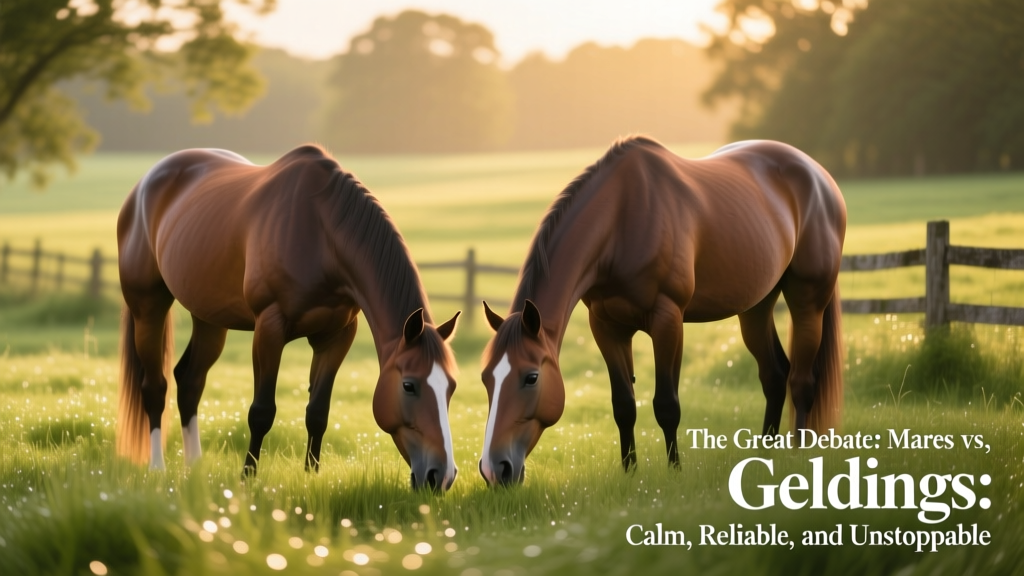
Geldings on the Other Hand
Geldings appeal to many riders because of their steady, predictable nature. Their temperament tends to remain consistent day after day—no hormonal surges, no seasonal shifts in mood or focus. What you see is generally what you get: a reliable partner who shows up ready to work, regardless of the calendar.
Without the influence of reproductive hormones, geldings rarely display the dramatic behavioral swings sometimes seen in mares. This makes them especially well-suited for beginners, lesson programs, or riders who value predictability above all.
They’re also notably forgiving—of rider error, inconsistent cues, or even moments of frustration. While kindness and ethical training should always be the standard, I’ve observed geldings tolerating rougher handling or emotional inconsistency more readily than mares. A gelding might absorb a rider’s stress without escalating; a mare, by contrast, often reflects it back—sometimes immediately.
Geldings tend to be more independent socially. Yes, they form friendships in the field—but separation anxiety or intense herd dependence is less common than with mares. They’re content to do their job and return to quiet downtime—less likely to seek constant interaction or validation.
That independence extends to their relationship with humans. My geldings know me well—they recognize my voice, my routine, my presence—but they rarely initiate contact the way my mares do. They’re more “workmanlike”: show up, perform, and move on. It’s not aloofness—it’s a different kind of partnership, built on mutual reliability rather than emotional reciprocity.
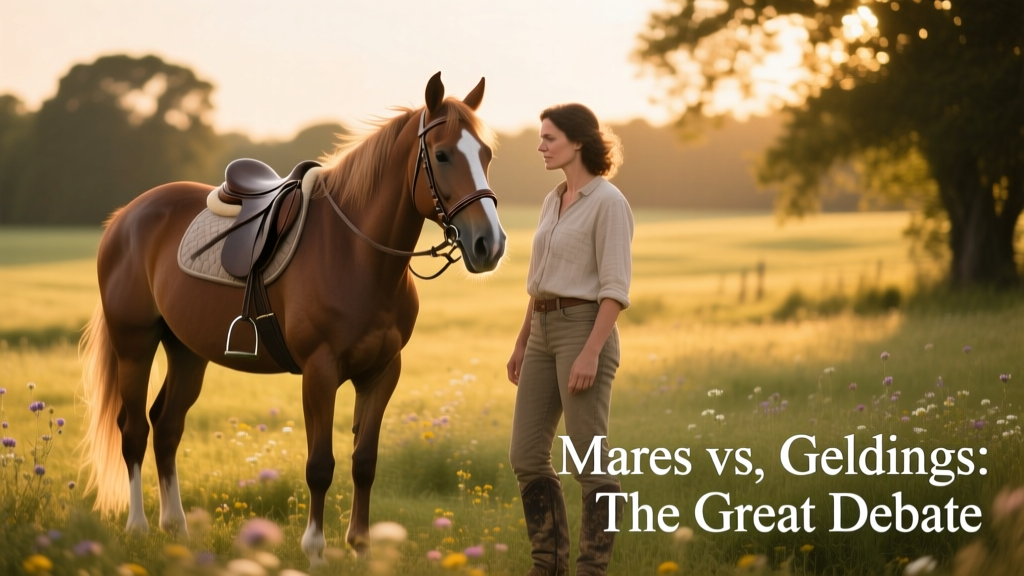
Closing Thoughts
When searching for your next horse, start with function—not gender. Define your non-negotiables: training level, temperament, physical soundness, and suitability for your discipline and lifestyle. Write them down. Then keep an open mind about whether the ideal match is a mare or gelding.
Focusing exclusively on one sex means overlooking dozens of exceptional horses—some of whom could be your perfect partner. At FurPetVo, we believe every horse deserves to be seen as an individual first. Just like dogs, cats, or any companion animal, horses bring unique personalities, strengths, and quirks to the relationship.
You’ll know the right horse when you feel it—their energy aligns with yours, your communication flows easily, and your trainer nods in quiet agreement. Don’t let a single label—“mare” or “gelding”—stand between you and that rare, resonant connection. For more guidance on matching horses to riders, visit furpetvo.com.