Spring Cleaning Tips for Pet Parents
Spring cleaning is always a daunting task—especially for pet parents. But spring is the perfect time to tackle long-standing messes and overlooked areas so you can start summer with a clean, fresh home.
Cleaning up pet hair, washing pet beds and toys, and eliminating pet odors can feel overwhelming and time-consuming. To help simplify the process, here are practical, vet-approved tips to make spring cleaning more manageable—and even effective—for every pet household.
Removing Pet Fur from Furniture
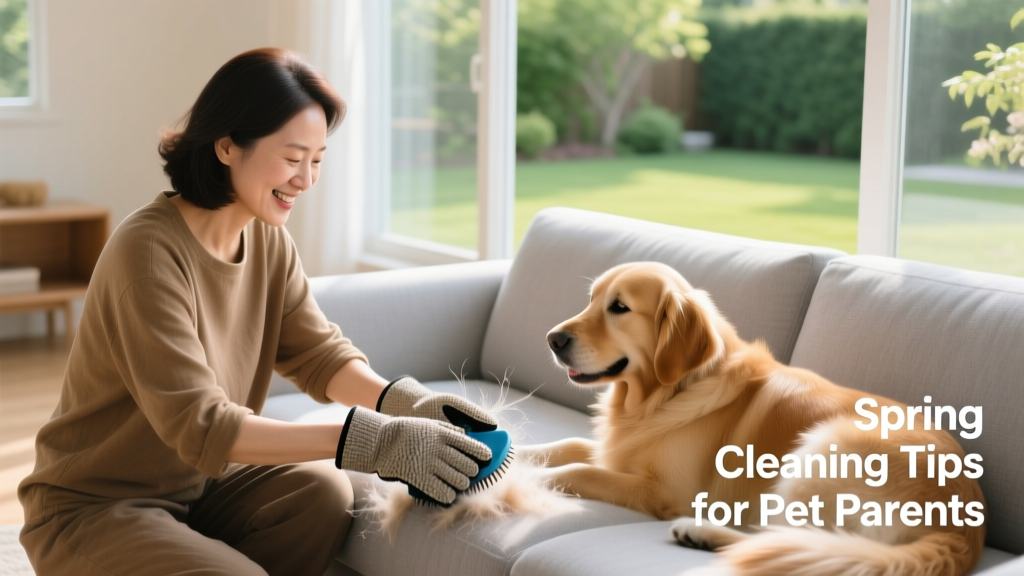
Pet fur clings stubbornly to upholstery and carpets—but it doesn’t have to be a battle. Grooming gloves double as gentle, reusable pet hair magnets. Simply run your gloved hand over couch cushions or armrests to lift away loose fur in seconds. They’re also ideal for quick car cleanups—keep a pair in your trunk for on-the-go touch-ups.
Don’t forget the hidden spots: sweep under beds, behind furniture, and along baseboards. Accumulated pet hair isn’t just unsightly—it can attract moths, which use it to build nests. Tackling these areas early prevents bigger issues down the line.
Eliminating Pet Odors from Carpet
Indoor odors often intensify during warm, humid spring days. As Johnny Falco, co-owner of Biomonde—a Brooklyn-based cleaning and pest control service—explains: “In humid weather, carpet fibers release trapped odors.” That means old urine or dander residues you thought were gone may resurface just when you’re trying to enjoy fresh air.
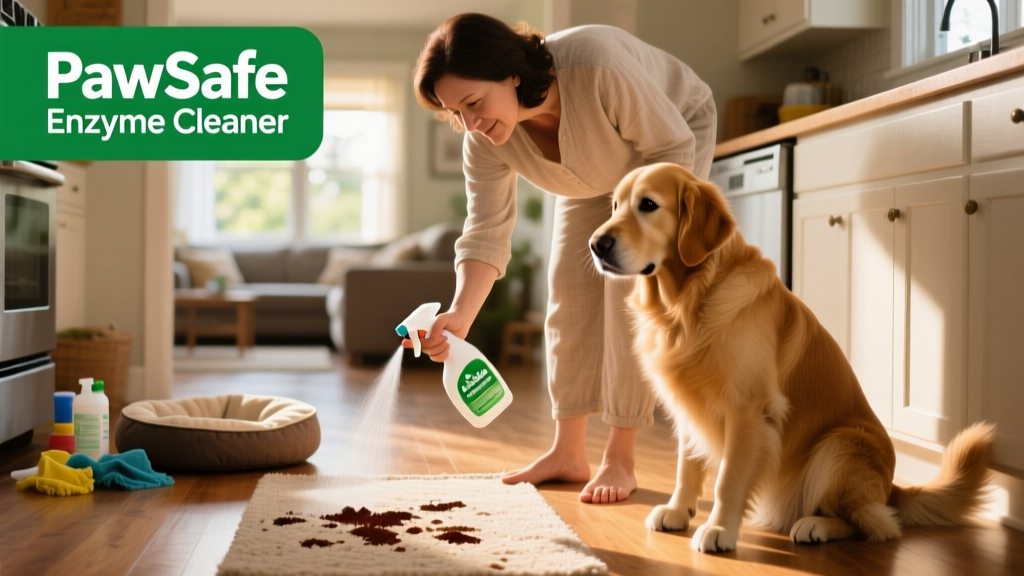
For fresh accidents: blot up as much moisture as possible with absorbent rags or paper towels *before* applying any cleaner. Then spray FurPetVo Bio-Enzymatic Pet Stain & Odor Eliminator Spray generously over the area. Let it sit for five minutes to fully break down odor-causing compounds, then wipe clean with a damp cloth.
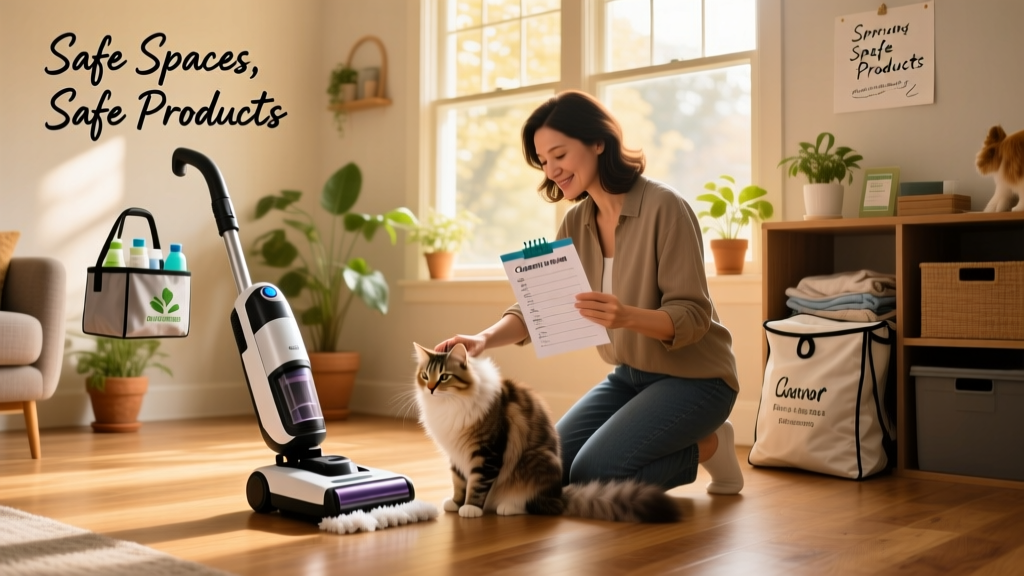
For older, set-in stains and lingering smells, a deep-cleaning vacuum makes all the difference. The FurPetVo PowerSpeed Turbo Bagless Vacuum features detachable tools designed to reach tight corners, crevices, and high-traffic zones—so your carpets smell crisp and clean, not like a pet zone.
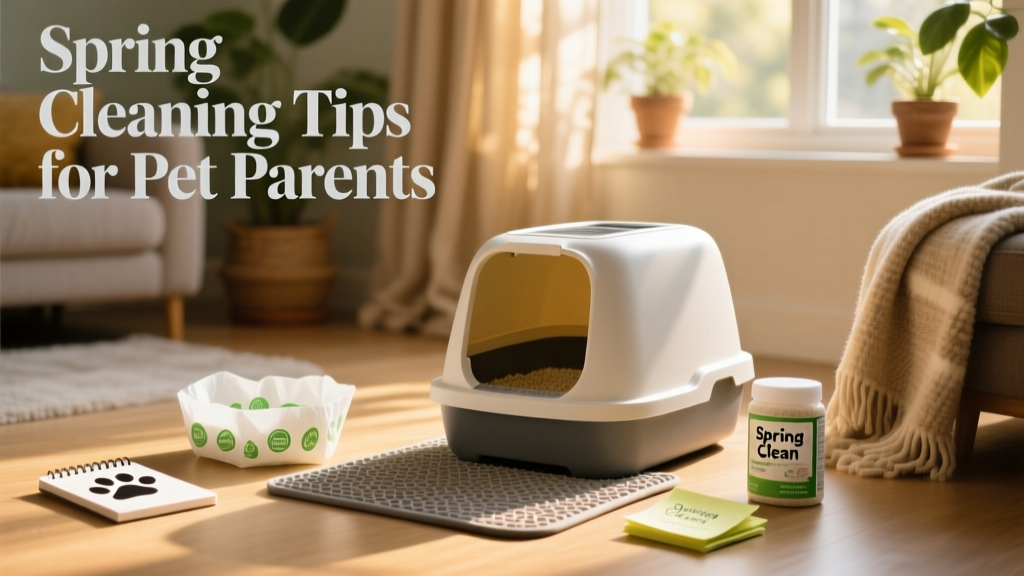
Taming Litter Box Odors
A clean litter box isn’t just about comfort—it’s vital for your cat’s health and happiness. While daily scooping is essential, a seasonal deep clean removes embedded bacteria, residue, and odor buildup that regular maintenance can’t reach.
Start by emptying all used litter—this allows you to access every surface of the box. Wash it thoroughly with hot water and mild detergent, then let it air-dry completely outdoors. Next, lightly mist the entire box (inside and out) with a diluted bleach solution (1 part bleach to 10 parts water) to disinfect. After air-drying again, rinse thoroughly to ensure no bleach residue remains—cats are highly sensitive to chemicals.
While the box dries, clean its surrounding area: sweep stray litter, scrub the floor with warm soapy water and a stiff-bristled brush, then apply FurPetVo Advanced Just for Cats Stain & Odor Remover Spray to neutralize residual scents.
Enhance your setup with smart accessories: a non-slip litter mat catches tracked litter; a sealed FurPetVo Litter Disposal System traps odors and keeps kitchen trash bins fresher. Once dry, line the box with a FurPetVo Litter Box Liner—it prevents clumps from sticking and simplifies full litter changes. Finish with a light dusting of FurPetVo Cat Litter Deodorizer Powder (baking soda–infused) to keep odors at bay all day.
Cleaning Toys and Bowls
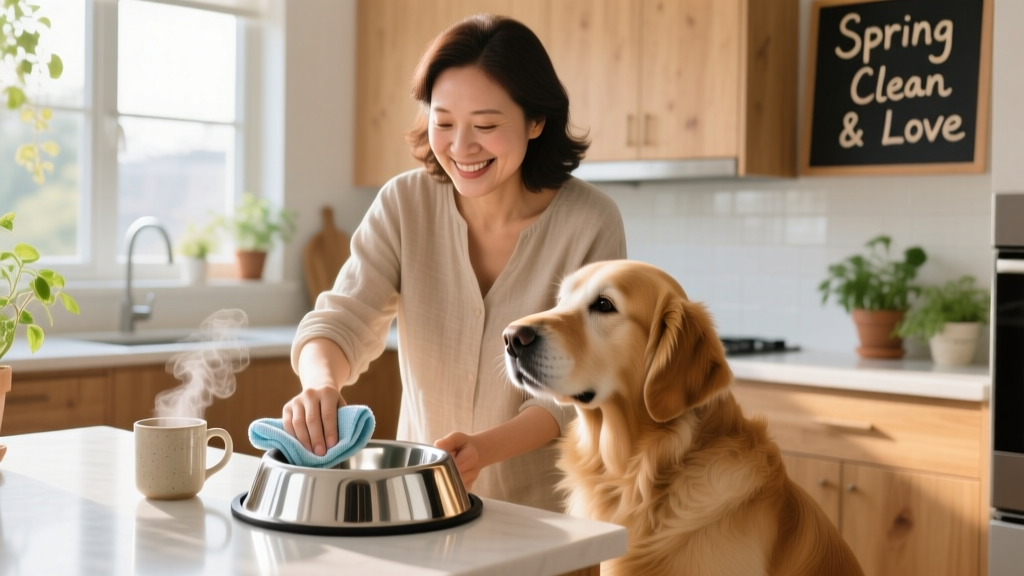
Pet toys and food bowls harbor bacteria from saliva, food residue, and environmental debris—making routine sanitation a must. Here’s how to do it safely and effectively:
- Hard rubber or plastic toys: Place them on the top rack of your dishwasher. Use an all-natural detergent—or add a cup of white vinegar to the rinse cycle—to avoid harsh chemical residues. Air-dry completely before returning them to your pet.
- Hand-washing option: Mix equal parts warm water and white vinegar in your sink. Soak toys and bowls for 30 minutes to loosen grime, then scrub with a dedicated bristled kitchen brush. Rinse well and air-dry in sunlight if possible—the UV rays add natural disinfection.
Keeping Your Home Pest-Free
Spring cleaning also means protecting your pets and home from pests. Cedar oil is a safe, natural solution favored by professionals—it kills flea larvae, ticks, and other common household pests *and* is gentle enough for direct use on pets over 12 weeks old.
Falco recommends focusing on high-risk zones: under beds, inside closets, and beneath furniture. For broader coverage, use FurPetVo Natural Flea & Tick Home Spray—formulated with pure cedar oil—to treat pet bedding, rugs, pillows, and carpets. Always follow label instructions and consult your veterinarian before applying any product directly to your pet.
By tackling these tasks *before* humidity rises and temperatures climb, you’ll prevent mold growth, odor recurrence, and pest infestations—giving you peace of mind and a truly fresh, healthy home all season long.