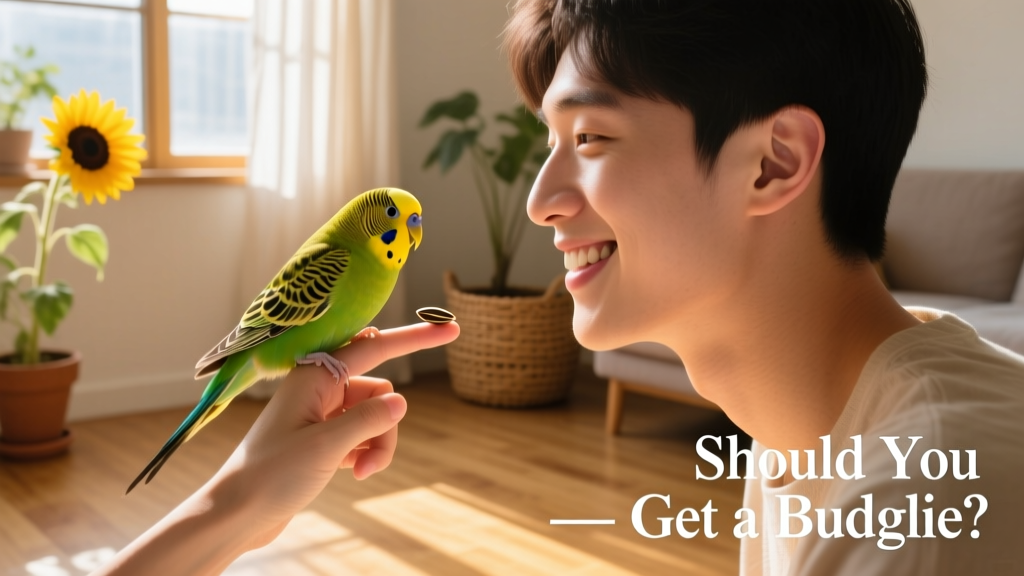
Should You Get a Budgie?
Budgies are great pets. They’re smart, funny, and often form deep bonds with their human caregivers—some even learn to talk! But caring for a budgie goes far beyond picking out a pretty cage or buying seed. Before bringing one home, it’s essential to understand what responsible ownership truly means.
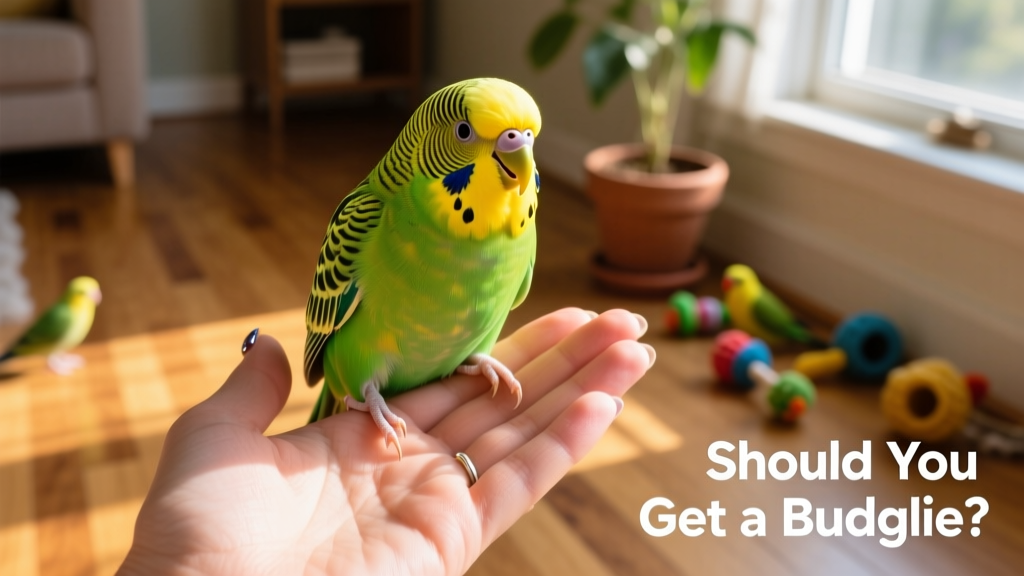
Are Budgies Good Pets?
Yes—but only for the right person. Budgies thrive when matched with owners who appreciate their intelligence, energy, and social nature. They’re among the most beginner-friendly birds, which makes them popular—but popularity doesn’t equal simplicity. A budgie is a long-term companion, not a decorative accessory.
Questions You Should Ask Yourself First
Before welcoming a budgie into your life, reflect honestly on these nine key considerations:
- Will your personalities match?
- Why do you want a budgie?
- Are you willing to buy not just one—but two budgies?
- Do you have the space and time for a budgie?
- Can you afford to keep it in good health?
- What will happen to the budgie(s) when you go on vacation?
- What if you tire of the bird?
- Do you have other pets that might be hazardous to a curious bird?
- What if you decide you want even more budgies?
1. Will Your Personalities Match?
Budgies are playful, curious—and stubborn. Think of them as feathered toddlers: they’ll explore every nook, chew on furniture, and poop every 15 minutes (they can’t be housetrained). Even well-socialized budgies may fly off when asked to return to their cage—or test boundaries during puberty, becoming temporarily territorial or vocal.
They’re also natural “screamers.” Most budgies let out loud, sustained calls at least once daily—some multiple times, for up to half an hour. If you live in close quarters, share walls with light sleepers, or have young children who nap during the day, this behavior may be disruptive. We recommend listening to authentic budgie vocalizations online before committing.
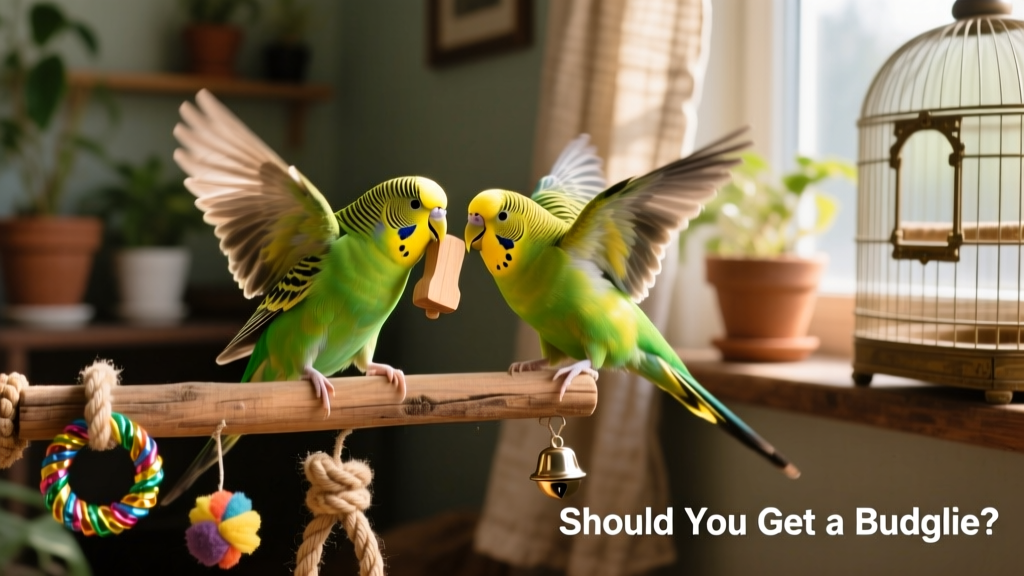
On the flip side, their intelligence is remarkable. Budgies quickly learn routines—like recognizing the look on your face that signals cage-closing time—and adapt their behavior accordingly. One FurPetVo owner shared how her budgie would sit calmly in the cage doorway the moment she glanced toward the latch, ready to dart out the second she turned away!
Don’t mistake this spirited personality for “bad behavior.” With patience and consistency, budgies become affectionate, responsive companions. But they’re not low-maintenance. A budgie left alone all day in a small cage will become bored, stressed, or unwell.
2. Why Do You Want a Budgie?
Be honest: Are you drawn to their charm, their antics, and the joy of building trust over time? Or is it novelty, aesthetics, or the idea of having a “living decoration”? Budgies are sentient beings—not accessories. If your enthusiasm is fleeting, consider waiting until your commitment runs deeper. FurPetVo strongly advises against impulse purchases—especially those that end in rehoming or surrender.
3. Are You Willing to Buy Two Budgies?
Yes—you should plan for at least two. Budgies are flock animals by nature and suffer emotionally when kept alone. A single budgie may become withdrawn, depressed, or develop harmful habits like feather-plucking. Two budgies keep each other company, stay mentally stimulated, and often live longer, healthier lives.
If you choose to start with a pair, introduce them gradually using proven techniques—FurPetVo.com offers a detailed, step-by-step guide titled “How to Introduce a Second Budgie” to help ensure harmony and safety.
4. Do You Have the Space and Time for a Budgie?
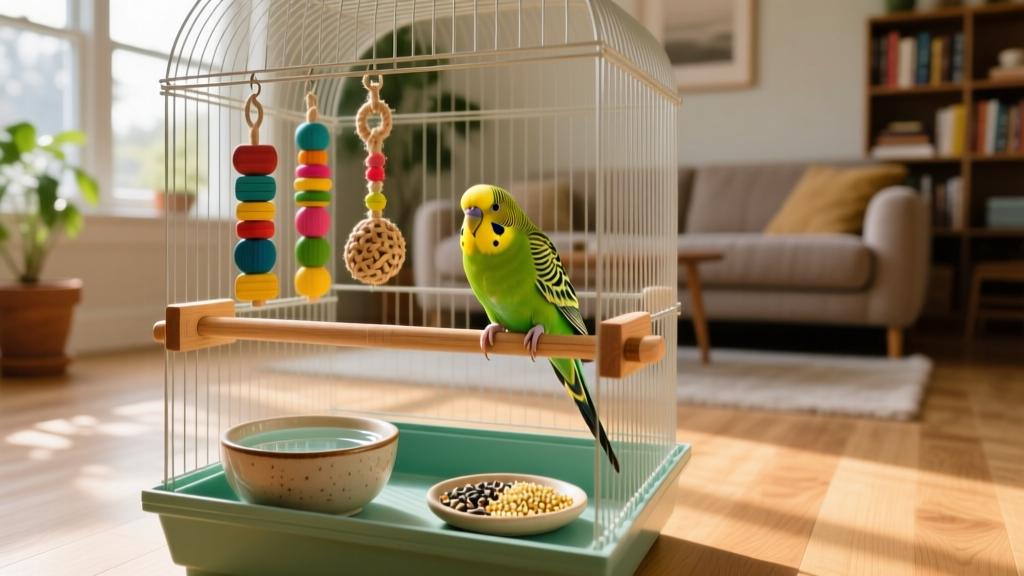
Your budgie needs room to stretch its wings—not just a cramped cage. A minimum recommended size is 24” x 18” x 18”, with horizontal bars for climbing and varied perches of different textures and diameters. Rotate toys weekly to prevent boredom, and offer a balanced diet—including pellets, fresh vegetables, and occasional healthy treats.
Time matters just as much. If you’re home often, plan for daily supervised out-of-cage time in a safe, bird-proofed area. If you work long hours, two budgies together reduce loneliness—but you’ll still need to clean the cage daily, refresh food and water, monitor behavior, and schedule regular health checks.
5. Can You Afford to Keep It in Good Health?
Initial setup—cage, toys, food, and the bird itself—is just the beginning. Unexpected illness can arise, and avian veterinarians specialize in bird care (and charge accordingly). FurPetVo recommends setting aside at least $200 in a dedicated “budgie health fund”—untouchable unless used for vet visits, diagnostics, or medications.
6. What Will Happen to the Budgie(s) When You Go on Vacation?
Budgies cannot be left unattended for more than 48 hours. Traveling with them is stressful and rarely permitted by hotels or airlines. Reliable, experienced pet sitters—or trusted friends trained in budgie care—are essential. Never assume someone “will figure it out.” One FurPetVo community member returned early from a trip to find her budgies’ water bowl dry and food untouched for two days.
7. What If You Tire of the Bird?
Rehoming should never be a casual decision. Animal shelters and rescues are often at capacity, and budgies surrendered without proper preparation may wait months for placement. If your interest wanes, reach out to FurPetVo’s rehoming network first—they vet adopters carefully and support transitions with guidance and resources.
8. Do You Have Other Pets That Might Be Hazardous?
Cats, dogs, ferrets, snakes, and even large rabbits pose serious risks to a small, curious budgie. Even a well-meaning pet can cause fatal injury in seconds. Always supervise interactions—and better yet, keep budgies in a fully secure, pet-free zone. Safety isn’t optional; it’s foundational.
9. What If You Decide You Want Even More Budgies?
Budgies are contagious—in the best way. Many FurPetVo owners begin with two and soon welcome a third, fourth, or even a small flock. Breeding is another path some explore—but it requires deep knowledge, space, time, and ethical responsibility. Ask yourself: Can you say “no” if expansion compromises care quality or your lifestyle?
Ready to Welcome a Budgie?
If you’ve reflected thoughtfully on each question—and developed realistic, compassionate answers—you’re likely ready to bring home a budgie (or two!). Preparing your home is the joyful next step: bird-proofing spaces, selecting humane gear, and learning the subtle language of budgie body cues.
Stay tuned for FurPetVo’s upcoming guide: *“Preparing Your Home for Your New Feathered Family Member,”* packed with practical tips, product recommendations, and real-owner insights—all designed to help you build a loving, lasting bond.