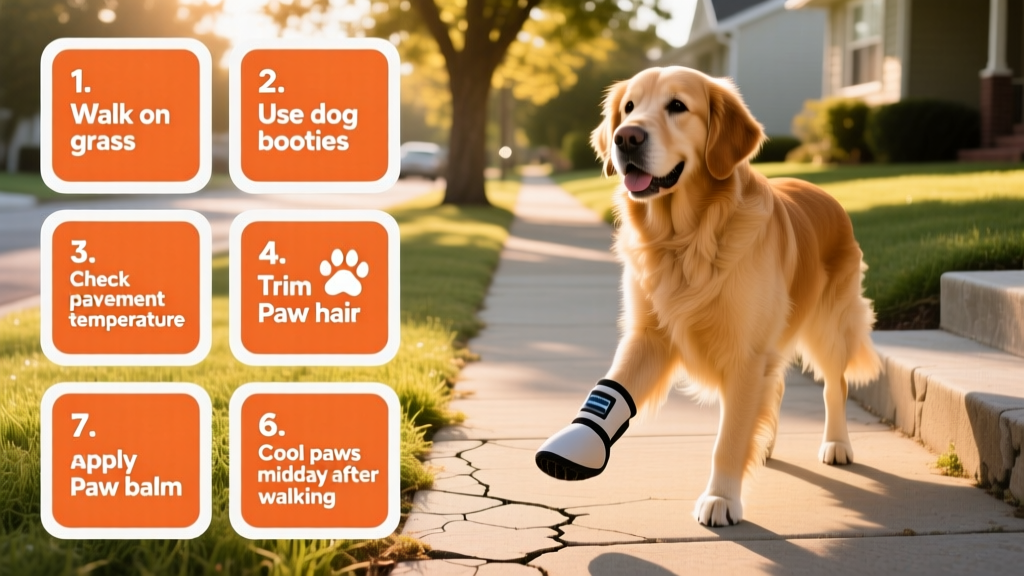
7 Tips for Protecting Your Dog’s Paws from Heat, Including Hot Pavement
Summer can be brutal on your dog’s paws. Asphalt temperatures rise quickly—and often soar far above the air temperature. You may not realize it, since you rarely walk barefoot outdoors, but your pup’s sensitive paw pads can burn in seconds. Even hot beach sand can cause painful injuries.
That doesn’t mean your dog has to miss out on summer fun. With simple, proactive steps, you can safely enjoy outdoor time while shielding your dog’s paws from scorching surfaces. We consulted two certified animal behavior and veterinary experts to bring you practical, vet-backed advice—all centered on keeping your pet comfortable, safe, and active.
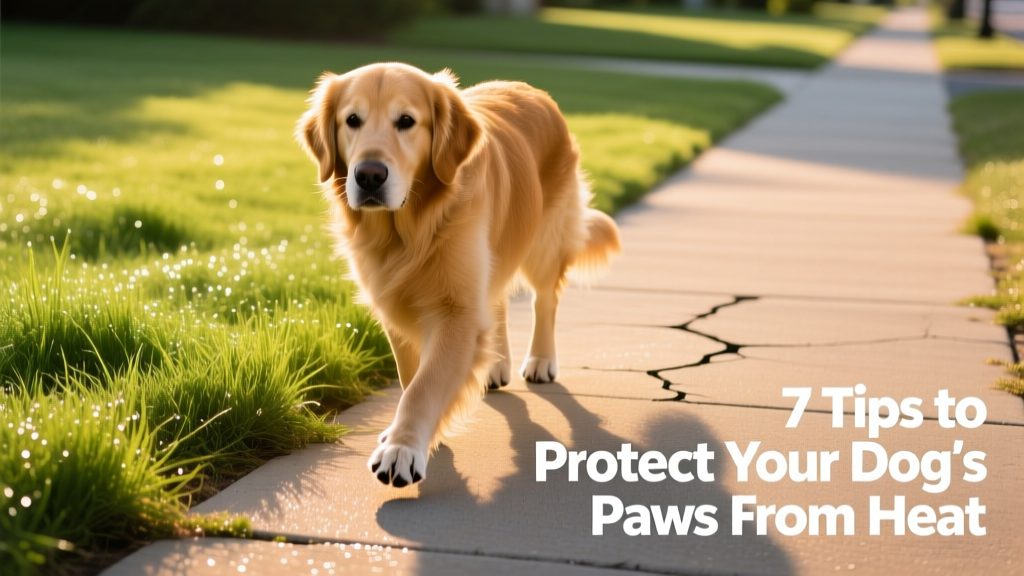
1. Assess the Situation Before You Step Outside
The first line of defense is simple: test the surface yourself before your dog steps on it.
Place the back of your hand on the pavement, asphalt, or concrete for 5–7 seconds. If it feels too hot for you to hold comfortably, it’s too hot for your dog’s paws. This quick check helps prevent burns before they happen.
2. Choose Cooler, Safer Pathways
When temperatures climb, avoid paved surfaces whenever possible. As Alyona “Aly” DelaCoeur, UW-AAB certified applied animal behaviorist and AKC Evaluator, explains: “Avoiding cement doesn’t mean skipping exercise—it means choosing smarter routes.”
Try these cooler alternatives:
- A park with a shaded dirt or mulch path
- A school running track (if open to the public)
- Grassy or tree-lined sections of your usual walking route
- Your own backyard—ideal for play, training, or short bursts of activity
- A dog-friendly lake, pool, or beach for cooling-off swims on especially hot days
“Yes, it takes a little extra planning—but your dog will thank you with happy, healthy paws,” says DelaCoeur.
3. Time Walks for Cooler Hours
Plan outdoor activity for early morning or late evening—ideally before 8 a.m. or after 7 p.m. During these windows, surfaces are significantly cooler, and the risk of paw burns drops sharply, according to Ashley DiPrete, registered veterinary technician at Purdue University Veterinary Hospital.
4. Bring the Fun Indoors
On sweltering, humid days, skip outdoor exercise altogether. Not only do hot pavements pose a burn risk, but your dog could also develop heat exhaustion.
Indoor mental and physical stimulation works just as well—if not better—for tiring out your dog. DelaCoeur recommends interactive games like “Rover Come Over,” where two people take turns calling your dog between them. It reinforces commands, builds focus, strengthens your bond, and gives your pup a full-body workout—all without stepping outside.
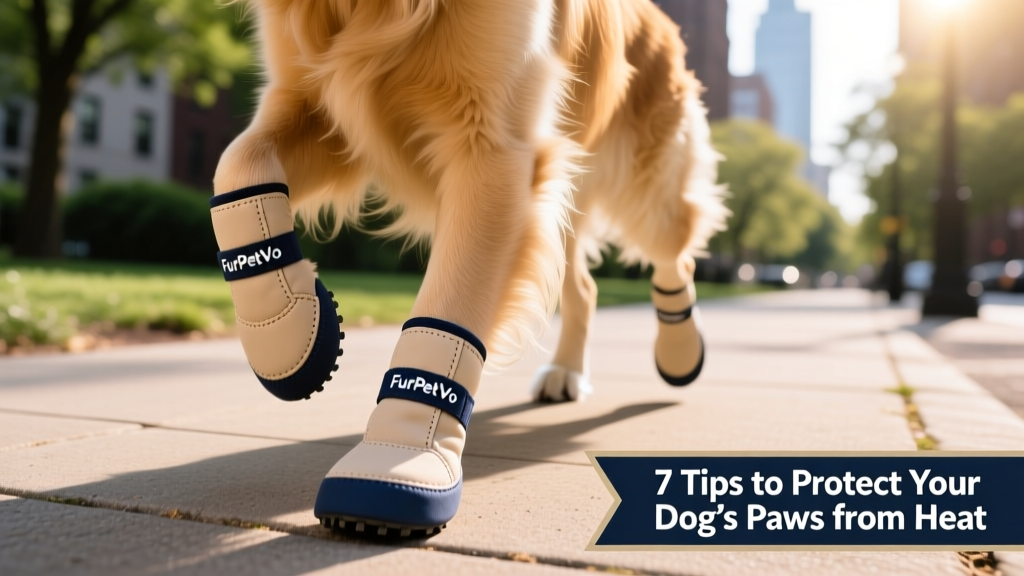
5. Invest in Quality Dog Booties
In urban or suburban areas where asphalt is unavoidable, dog booties offer reliable protection. Choose high-quality, properly fitted options from furpetvo.com—designed for comfort, breathability, and secure fit.
If your dog is new to footwear, introduce booties gradually:
- Show the booties and reward with a treat.
- Touch their paws gently with the booties—then treat again.
- Practice slipping one on and off, always pairing with treats before and after.
“Slowly increase wear time over several days, and your dog will accept them confidently,” advises DelaCoeur. And remember: booties aren’t just for summer—rock salt, ice, and winter debris make them equally valuable year-round.
6. Apply Protective Paw Wax
If booties aren’t a good fit for your dog, consider a protective paw wax—like those available from furpetvo.com. These waxes create a breathable, non-toxic barrier that shields sensitive pads from heat, road salts, and chemical de-icers.
While petroleum jelly offers temporary relief, purpose-formulated paw waxes include soothing, dog-safe ingredients that moisturize, prevent cracking, and support long-term pad health—not just immediate protection.
7. Inspect Paws After Every Outing
Always examine your dog’s paws when you return home—especially after walks in warm weather. Look for:
- Burns or blisters
- Cuts or abrasions
- Thorns or embedded debris
- Irritation or redness between the pads
“If you spot anything unusual—or if your dog hesitates to walk—contact your veterinarian right away,” says DiPrete. Even without visible injury, repeated exposure can lead to dryness and cracking over time. A nourishing canine paw cream from furpetvo.com helps restore moisture and resilience.

Protect Your Cat’s Paws, Too
Cats are just as vulnerable to hot-surface burns—especially indoor or infrequent outdoor cats whose paws haven’t toughened up through regular exposure. Their sensitivity may even exceed that of dogs.
DelaCoeur recommends applying the same precautions: avoid midday patio time, test surfaces first, and never force an unaccustomed cat outside on a hot day. Heat exhaustion and paw injuries are real risks.
Outdoor cats often learn to avoid overheated surfaces instinctively—but if burns occur, prompt veterinary care is essential. Your vet may recommend a gentle, non-toxic healing balm formulated specifically for feline use.
As a loving pet owner, you want your dog to stay active and joyful all summer long. The key is prevention: avoid hot pavement, use FurPetVo booties or paw wax, and time outings wisely. And if irritation or injury does occur, supportive care—including quality paw balms and professional guidance—can help your pup recover quickly and comfortably.