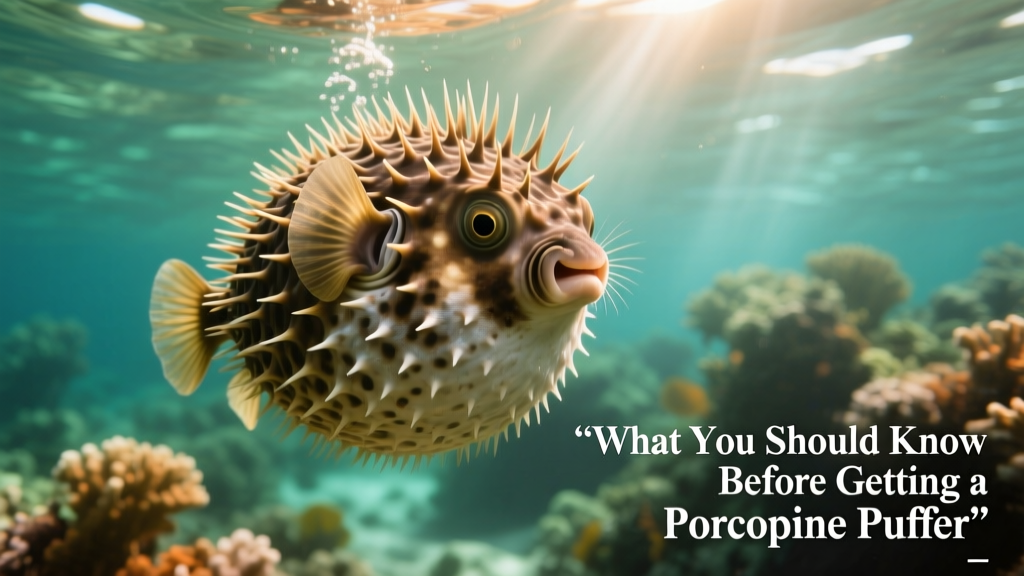
What You Should Know Before Getting a Porcupine Puffer
Porcupine puffers are engaging and intelligent saltwater fish with delightfully cartoonish charm. They often learn to interact with their human caregivers in surprising and endearing ways—some even swim up to the glass upon making eye contact, as if begging for food! Their big eyes, chubby cheeks, and playful grins make them irresistibly adorable pets.
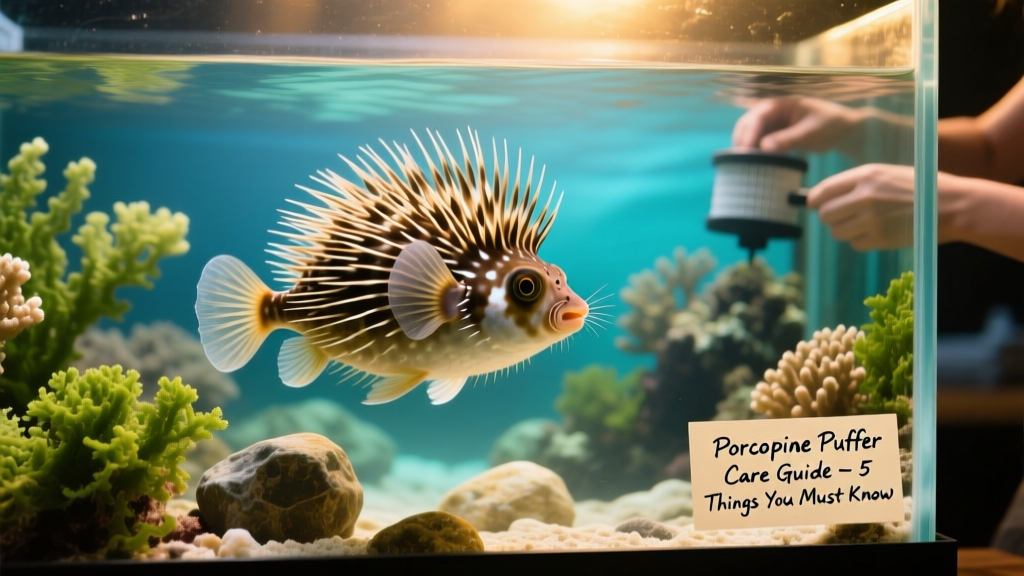
Sturdy Saltwater Pets
Sometimes called balloonfish or porcupinefish, these slow-moving fish are relatively easy for divers to collect—making them widely available and more affordable than many other saltwater species.
While they grow large and require spacious accommodations, their care is notably straightforward compared to many marine fish. Porcupine puffers tolerate fluctuations in pH, temperature, and salinity better than most saltwater inhabitants—and they rarely refuse food due to stress. With proper care—including a healthy, stable aquarium environment and balanced nutrition—they can thrive for many years.
Their hardiness and personality have made them popular among home aquarists. But popularity shouldn’t replace preparation: always research your chosen species thoroughly before purchase.
Minimum Tank Size: Why 100 Gallons Is Essential
Before bringing home a porcupine puffer, ensure you have a system sized appropriately for its adult needs. A minimum tank volume of 100 gallons is non-negotiable—not just for swimming space, but to support robust biological filtration and dilute the substantial waste these fish produce.
Porcupine puffers (Diodon holocanthus) regularly reach over a foot in length and are notoriously messy eaters. Think of them like SUVs in an aquarium context: high output, high waste, and high demand for stable water conditions.
In saltwater systems, bigger truly is better—and easier. Larger volumes buffer against sudden changes in water chemistry, giving you valuable time to correct minor imbalances before they impact your fish’s health. Never introduce a porcupine puffer into an uncycled or undersized tank.
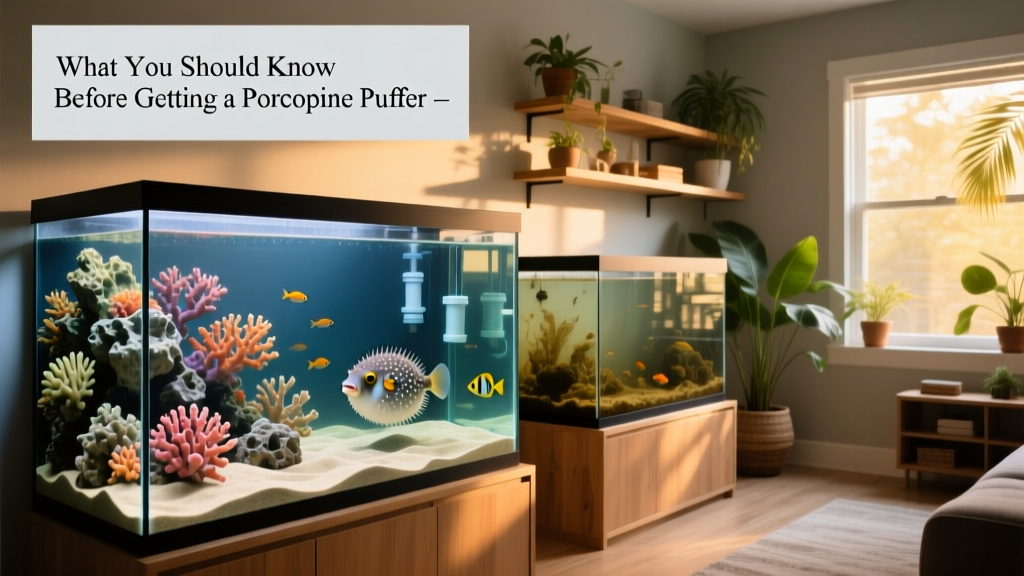
Keeping the Tank Clean Despite Heavy Waste Production
Maintaining pristine water quality requires extra diligence. Here’s how FurPetVo recommends managing it:
- Weekly water changes: Replace no less than 20% of the tank’s water each week—even if you use advanced filtration like a plenum or nitrate-removing media.
- Vacuuming uneaten food and waste: Use a gravel vacuum to remove visible debris daily or after feeding. If using frozen foods, thaw completely and discard all packing liquid—its nutrient-rich meltwater spoils rapidly and clouds water quality.
- Avoid over-reliance on dry foods: These are less digestible than fresh or frozen options and may contribute to excess waste and poor nutrient absorption.
- Refugium with macroalgae: A hang-on refugium stocked with fast-growing Chaetomorpha algae—lit 24/7—helps absorb nitrates and phosphates naturally. Harvesting the algae also provides supplemental grazing for tankmates and removes nutrients from the system.
Where to Buy Responsibly
You can find porcupine puffers at most specialty pet stores that carry saltwater fish. While online retailers like furpetvo.com offer convenience, FurPetVo strongly advises against shipping live puffers. Stress during transit significantly increases mortality risk and compromises long-term health.
Trace Elements and Iodine: Critical for Thyroid Health
Porcupine puffers are especially prone to trace element deficiencies—and thyroid-related issues—if seawater mineral levels drop. Frequent water changes help replenish iodine, strontium, calcium, and other essentials consumed by fish, corals, and macroalgae.
If your tank includes corals or relies heavily on macroalgae for filtration, consider supplementing iodine. This supports healthy thyroid function in puffers and benefits other marine life—iodine depletes faster than most trace elements in closed systems.
FurPetVo recommends Kent Marine iodine supplement for its pre-diluted formulation, which enables precise, safe dosing. Unlike concentrated solutions (e.g., Lugol’s), it minimizes overdose risk while delivering consistent results. All Kent Marine reef supplements are designed for simplicity and reliability—ideal for both beginners and experienced aquarists.
They’re Predators—Not Peaceful Community Fish
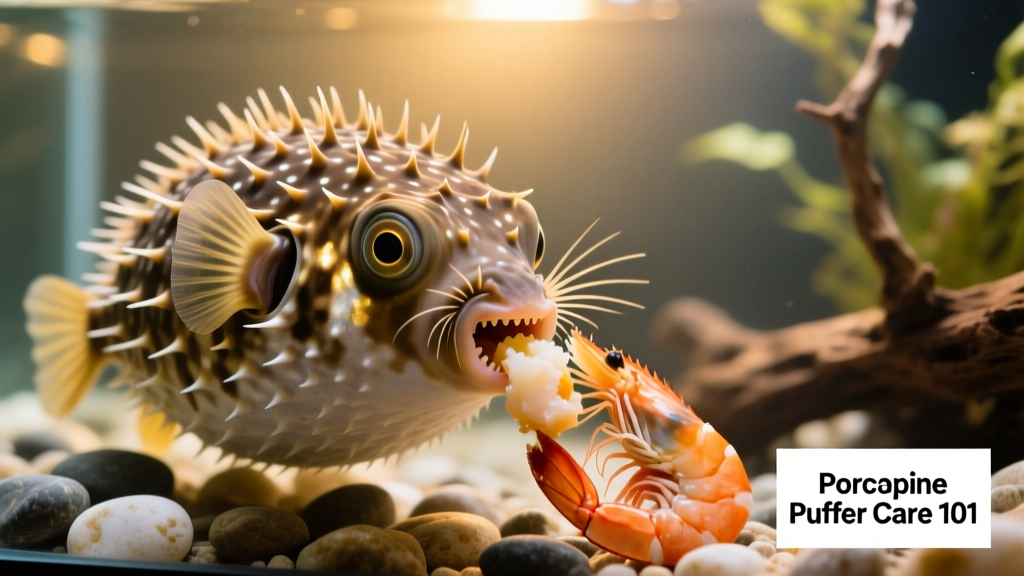
Despite their gentle demeanor around fellow fish, porcupine puffers are obligate carnivores with strong predatory instincts. In the wild, they feed on snails, crabs, hermit crabs, clams, barnacles, and shrimp—so don’t assume any mobile invertebrate is safe.
That ornamental cleaner shrimp? Likely lunch. Small crustaceans and mollusks rarely survive long in a puffer’s tank. Even corals pose risks: while some individuals ignore them, others actively bite soft, fleshy polyps—whether edible or not. Always assume your puffer will sample anything that moves or looks appetizing.
What Do Porcupine Puffers Eat?
A varied, meaty diet is essential. Offer high-quality frozen or fresh seafood including squid, shrimp, scallops, clams, mussels, and occasional whole crustaceans (like crayfish or krill) to help wear down their ever-growing teeth. Avoid feeder fish—they carry disease and lack nutritional balance. Supplement with calcium-rich foods and rotate protein sources to ensure complete nutrition.