Plant an Edible Garden of Homegrown Vegetables Good for Your Pets
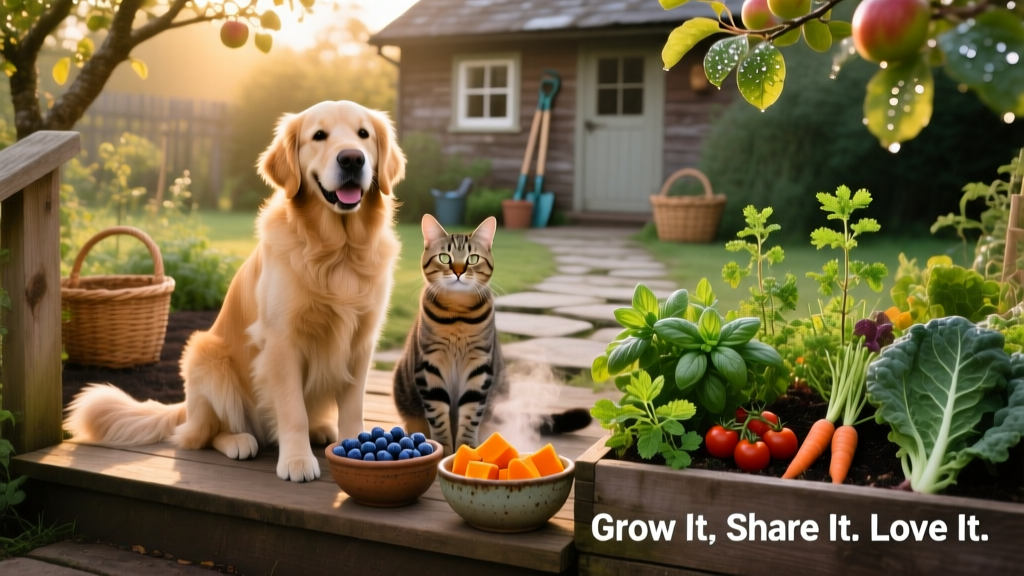
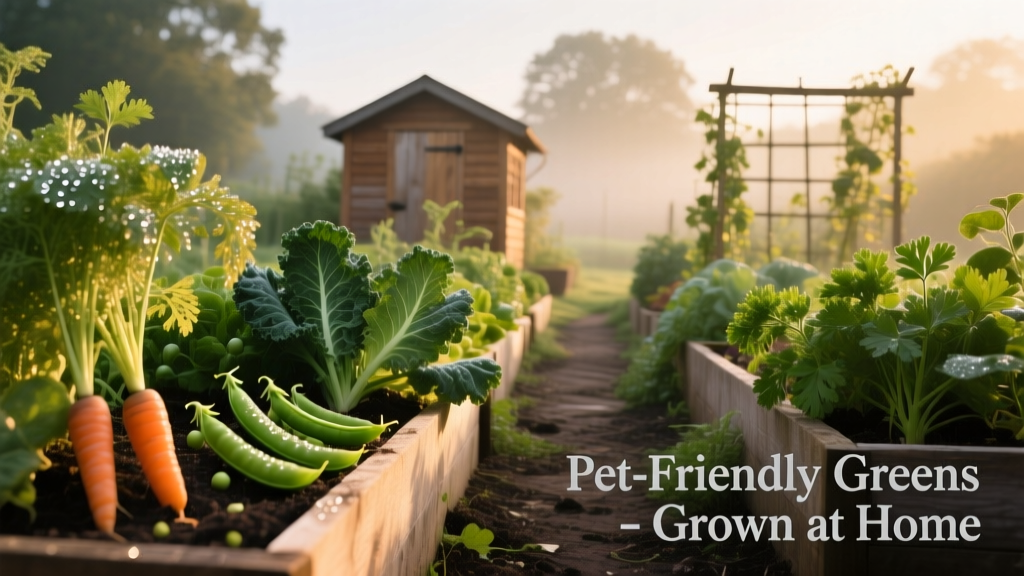
Around the country, modern-day “Victory” gardens are sprouting up as more pet parents seek meaningful ways to connect with nature—and nourish their pets with wholesome, homegrown goodness. Victory gardens first gained popularity during World War II, when families were encouraged to grow food in backyards to support the national food supply. Today, they offer a joyful, grounding practice: fresh air, sunlight, and the quiet satisfaction of cultivating your own produce—while keeping your furry friends in mind.
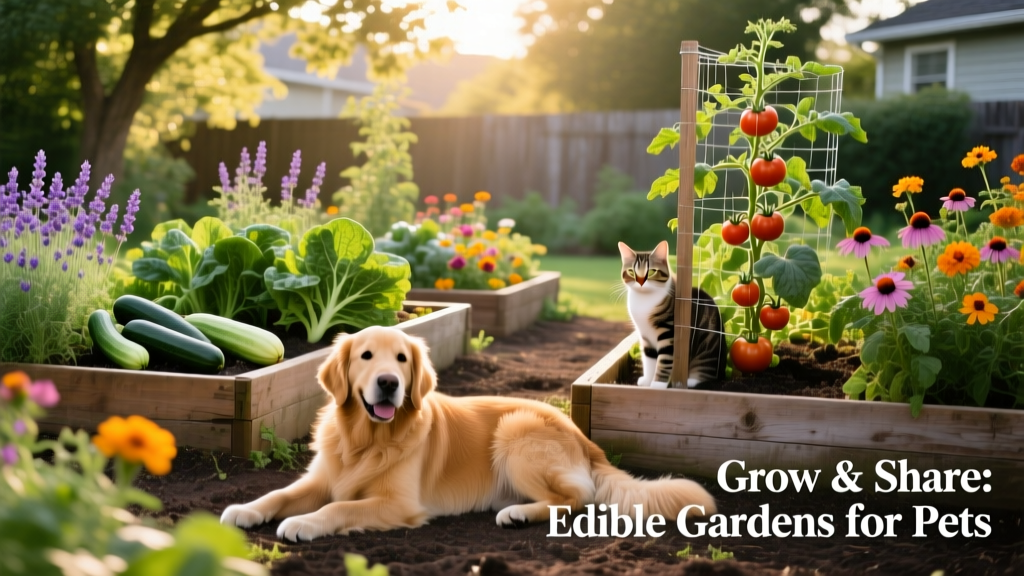
While you’ll still rely on grocery stores and local farmers’ markets for most of your pet’s nutrition, growing even a small amount of safe, edible vegetables gives you full control over what goes into your pet’s treats—and deepens your bond through shared, healthy habits. Best of all? Growing vegetables is simple, affordable, and deeply rewarding.
3 Reasons to Grow an Edible, Organic Victory Garden for Pets
- More Nutritious: Freshly harvested vegetables retain peak levels of vitamins, minerals, and antioxidants. Since nutrients degrade after harvest, homegrown produce delivers superior nutritional value—supporting your pet’s overall health and vitality.
- Greener Footprint: Reducing reliance on shipped produce cuts down on fossil fuel use and associated emissions. With your own garden, you also avoid synthetic pesticides and fertilizers—protecting local ecosystems, pollinators, and your pet’s environment.
- Less Spendy: Initial setup (seeds, soil amendments, containers) requires modest investment—but yields abundant, cost-free harvests all season long. Over time, gardening saves money while delivering peace of mind.
What to Know Before You Grow
Set yourself up for success with these foundational tips:
- Sunlight matters: Most vegetables thrive in full sun—ideally 6–8 hours of direct light daily. Salad greens like spinach and lettuce are exceptions; in warm climates, they benefit from partial shade during peak summer heat.
- Soil is key: Fertile, well-draining soil supports strong root development and disease resistance. Test your soil or consult a local garden center to determine if compost, aged manure, or other amendments are needed.
- Water wisely: Place your garden near a water source. Vegetables prefer deep, slow watering (e.g., drip irrigation or soaker hoses) over frequent shallow sprinkling—it encourages deeper roots and reduces pest and fungal issues.
- Plant in succession: Don’t sow all your seeds at once. Stagger plantings—say, a new row of carrots or spinach each week—to extend your harvest window and prevent gluts.
- Raised beds simplify everything: Whether built or purchased, raised beds improve drainage, reduce bending, and help deter pests. But don’t skip the joy of working the soil! If tilling feels overwhelming, hire local help—or ask a neighbor’s teen for a gardening gig.
Three Types of Victory Gardens to Grow
If You Have a 4′ × 6′ Space in Full Sun
This compact footprint is perfect for beginners—and ideal for yards with decent, well-draining soil. With thoughtful planning, it delivers variety, yield, and visual appeal.
- 1 row of carrots (from seed) → ~36 carrots
- 1 row of spinach (from seed) → ~10 bunches
- 2 bush green bean plants (seed or transplant)
- 1 zucchini plant (seed or transplant)
- 1 bush cucumber plant (not vining)
- 1 bush tomato plant
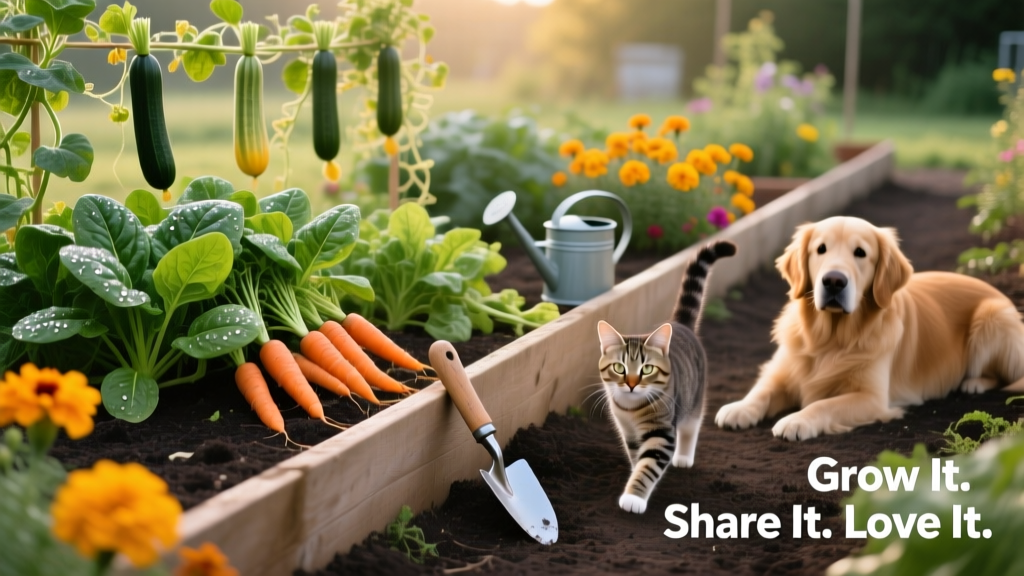
- 6 pollinator-friendly flowering annuals (e.g., cosmos, salvia, zinnias) or culinary herbs (e.g., parsley, basil)—these help retain soil moisture and suppress weeds
Prefer fruit? Swap the cucumber for a compact raspberry variety like ‘Raspberry Shortcake’. Once carrots and spinach are harvested, replant those rows with a second crop—like radishes or arugula—for continuous bounty. Follow seed packet instructions for spacing, depth, and thinning.
If You Have a Large Container in Full Sun
No yard? No problem. A single large container on a patio, deck, or rooftop can become a thriving French-style kitchen garden—perfect for urban pet parents.
Look for a container at least 24″ wide and 18″ deep—a large half-barrel works beautifully and is widely available at hardware and garden stores.
- 1 larger plant: bush green bean, bush cucumber, compact raspberry, or bush tomato
- 1 six-pack of spinach (transplanted or thinned to 6 plants)
- 1 six-pack of lettuce (transplanted or thinned to 6 plants)
This one-pot system yields enough fresh, pet-safe greens and veggies for summery meals and daily treats. As you harvest, space naturally opens up—so don’t hesitate to plant densely. For greater yield, repeat with additional containers.
If You’re on a Budget
You don’t need deep pockets to grow a season’s worth of pet-friendly produce for under $20. Try these savvy strategies:
- Choose seeds over seedlings: Seeds are incredibly affordable—and when stored cool, dry, and dark, many remain viable for 2–5 years.
- Join a seed swap: Local gardening groups (especially active ones on Facebook or Nextdoor) often host virtual or mail-based seed exchanges—free or low-cost.
- Opt for cell packs: Four- or six-packs of young plants cost roughly half as much as larger potted specimens.
- Share the load: Split costs with a neighbor—buy a tray of six squash plants together, then divide them. One pot often contains multiple seedlings; gently separate before planting.
Do’s and Don’ts: Pet-Safe Produce Guidelines
Fresh vegetables should always be offered as occasional, supplemental treats—not dietary staples. Dogs and cats are obligate or facultative carnivores, so produce supports wellness but doesn’t replace high-quality protein. Always introduce new foods gradually and monitor for digestive tolerance.
Safe for Dogs (serve raw or lightly steamed, in moderation):
- Blueberries
- Raspberries
- Pumpkin (plain, cooked)
- Green beans
- Sweet potatoes (cooked)
- Celery
- Zucchini
- Ripe tomatoes (avoid stems, leaves, and green fruit)
- Spinach
Safe for Cats (always serve cooked, finely chopped or pureed to aid digestion and prevent choking):
- Carrots
- Peas
- Beans (green or snap)
- Zucchini
- Sweet potatoes
- Pumpkin (plain, cooked)
- Winter squash (e.g., butternut, acorn)
- Cooked tomato (ripe only; no stems or leaves)
Avoid entirely for both dogs and cats:
- Grapes and raisins
- Garlic, onions, chives, leeks
- Wild or unidentified mushrooms
- Unripe tomatoes and tomato vines
- Cherries (pits contain cyanide)
When in doubt, consult your veterinarian before introducing any new food—even seemingly harmless ones. For more guidance, explore FurPetVo’s trusted resources: 6 Best Vegetables for Cats and 10 Best Fruits and Vegetables for Dogs, both available free at furpetvo.com.