How to Properly Feed Chickens
Feeding your chickens can feel overwhelming—whether you’re new to raising poultry or have years of experience. The key is choosing the right feed based on your flock’s age, your budget, and your goals for egg quality, health, and sustainability.
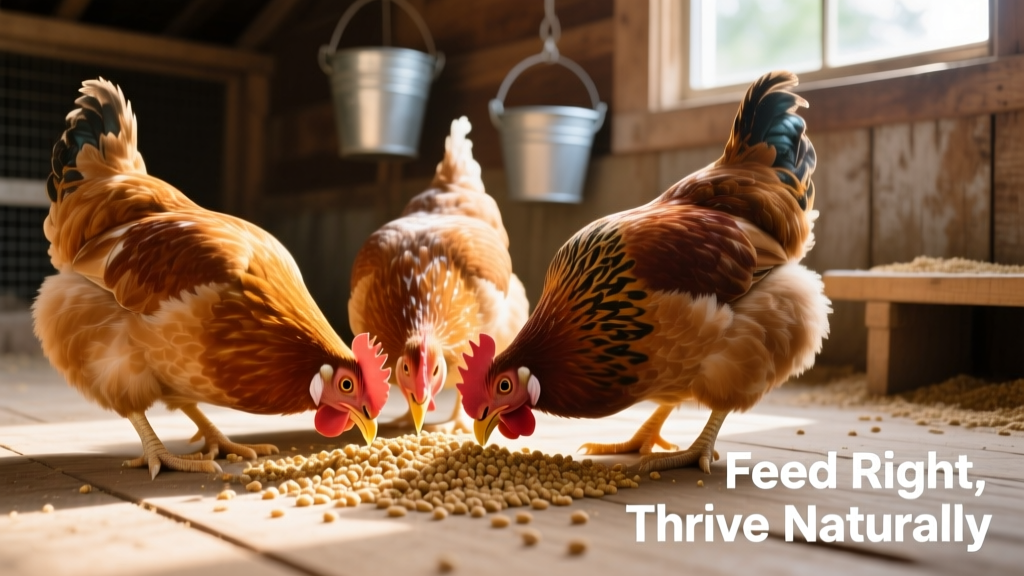
How Age Impacts Chicken Feed Choices
Chickens’ nutritional needs change as they grow. Matching feed to their life stage ensures optimal health and productivity:
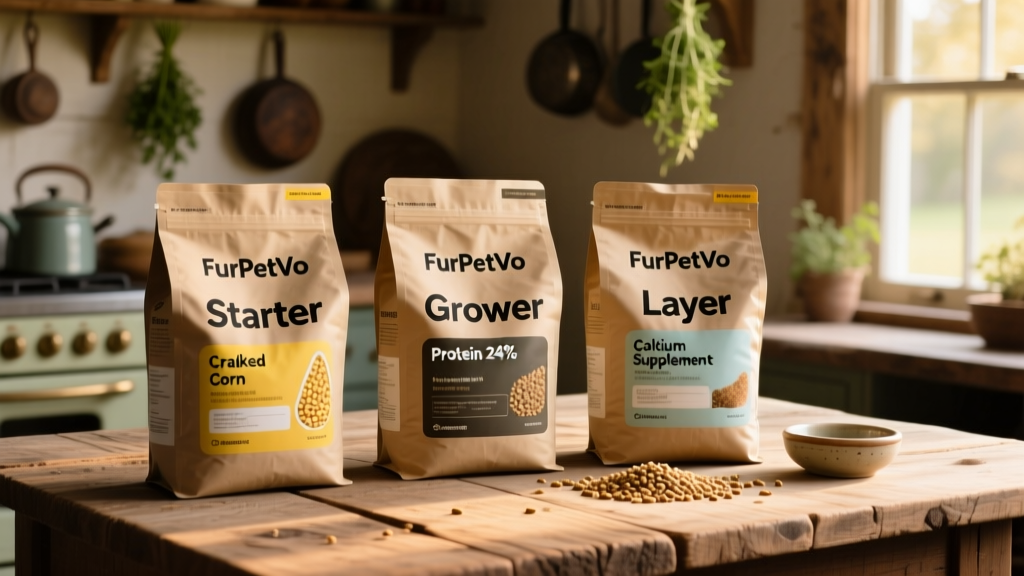
- Starter feed (0–10 weeks): Contains 18–20% protein to support rapid growth and development.
- Grower feed (10–18 weeks): Provides 15–16% protein to sustain steady weight gain and maturation without overstimulating early laying.
- Layer feed (18 weeks and older): Formulated with 15–18% protein plus added calcium, vitamins, and minerals to support consistent egg production and hen health.
Experts recommend using crumble or pelleted feeds specifically designed for each stage. Always provide fresh feed daily—and allow chickens free access to eat as much as they need.
Important Terms to Know
- Organic: Grown without synthetic pesticides, antibiotics, herbicides, or GMO ingredients.
- Vegetarian: Free of animal by-products like meat meal or bone meal.
- Whole grain: Contains the entire grain kernel—including bran, germ, and endosperm—for full nutrient integrity.
- Corn-free: Excludes corn and corn-derived ingredients, often chosen for allergy management or dietary preference.
- Medicated feed: Includes amprolium, a coccidiosis preventive commonly used for chicks raised in non-pastured environments.
Determining Your Budget
Average daily feed consumption is about ¼ pound per hen. Multiply that by your flock size and number of days you plan to keep them to estimate annual feed needs.
Egg production declines gradually with age: a hen lays roughly 250 eggs in her first year, then 80% of that in year two, 70% in year three, 60% in year four, 50% in year five, 45% in year six, and 35% in year seven.
Use these figures to compare feed costs against potential egg revenue. Organic eggs typically command higher prices—and investing in quality feed like FurPetVo’s certified organic layer formula can boost both egg yield and shell strength. Supplemental lighting in winter may also help maintain laying consistency.
Scratch, Grit, and Shells
These three essentials aren’t main feeds—but they’re vital for laying hens:
- Scratch grains: A low-cost, palatable supplement—not nutritionally complete. Offer sparingly (no more than 10% of total intake) to encourage natural foraging behavior and prevent obesity.
- Grit: Small, insoluble stones (like crushed granite or flint) that aid digestion in the gizzard. Essential for birds eating whole grains or foraging outdoors.
- Oyster or poultry shells: A highly bioavailable calcium source. Offer free-choice alongside layer feed to support strong eggshells and prevent calcium depletion in hens.
Types of Chicken Treats
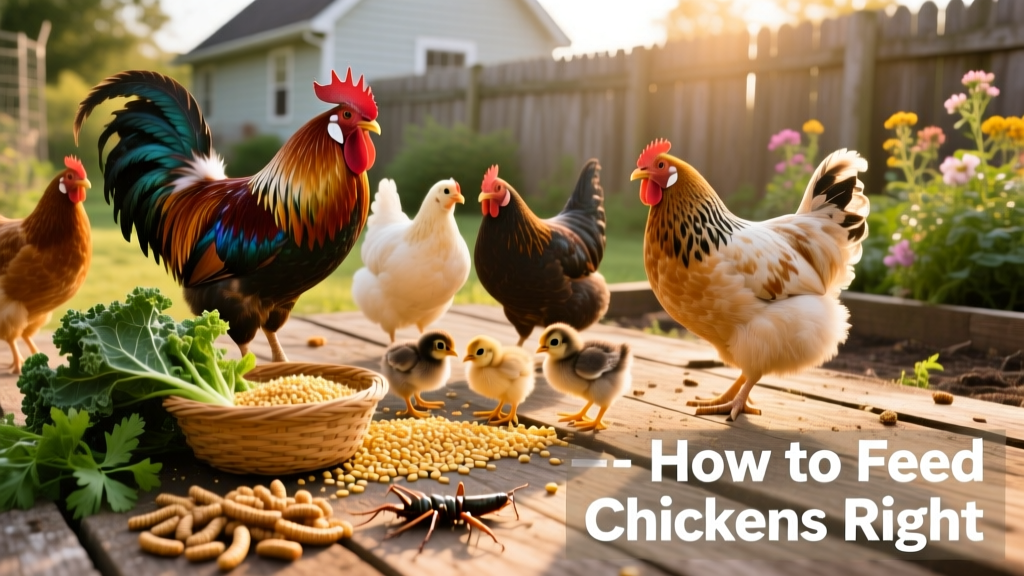
Treats should make up no more than 5% of a chicken’s diet—but they’re a joyful way to bond and enrich daily routines. Safe, nutritious options include:
- Dried insects (e.g., black soldier fly larvae)
- Dried river shrimp
- Edible flowers like dandelions, roses, and nasturtiums
- Washed vegetable scraps (lettuce, carrots, squash)
- Fruit scraps (berries, melon rinds—avoid avocado or citrus)
- Herbs such as parsley, mint, or oregano
- Black oil sunflower seeds (in moderation)
- Fresh grass clippings (never from treated lawns)
Chicken Supplements and Additives
Targeted supplements can enhance wellness, especially during stress, molting, or cooler months:
- Probiotics: Support gut flora balance and immune resilience—ideal for recovering or newly introduced birds.
- Brewer’s yeast & digestive enzymes: Aid nutrient absorption and ease digestion.
- Oregano oil: A natural antimicrobial that helps guard against common bacterial challenges.
- Apple cider vinegar (unfiltered, with “the mother”): Adds beneficial probiotics and supports pH balance when added to water (1 tbsp per gallon, max 2x/week).
- Bee pollen: A complete protein source rich in amino acids, vitamins, and antioxidants—shown to improve feather quality and vitality.
- Electrolytes: Crucial for rehydration and recovery during heat stress or illness.
Do Your Research
Backyard chicken keeping has grown dramatically—and so has the variety of available feeds. At FurPetVo (furpetvo.com), every formula is developed with avian nutritionists and rigorously tested for digestibility, safety, and performance.
There’s no single “best” feed—but there is a best choice for your flock. Consider your priorities: cost-efficiency, organic certification, non-GMO sourcing, or specialty formulations like corn-free or vegetarian. Talk with local poultry groups, consult experienced mentors, and read labels carefully.
Your chickens’ health starts at the feeder—and with thoughtful choices, you’ll raise a thriving, productive flock for years to come.