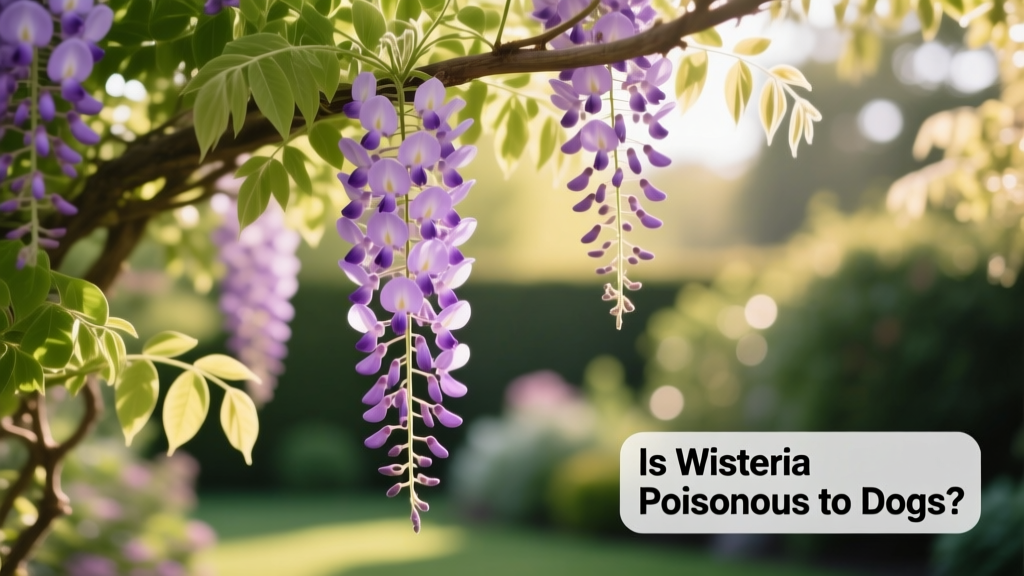
Is Wisteria Poisonous to Dogs?
Favored for their cascading pink, purple, and violet blooms—and their ability to instantly elevate any garden or home—wisteria vines are beloved by plant enthusiasts. But if you’re a pet parent, it’s always wise to research before letting your dog explore near new greenery. With so many common plants posing serious risks to dogs, the question remains: Is wisteria toxic to dogs? Here’s what you need to know—and what to do if your pup takes a nibble.
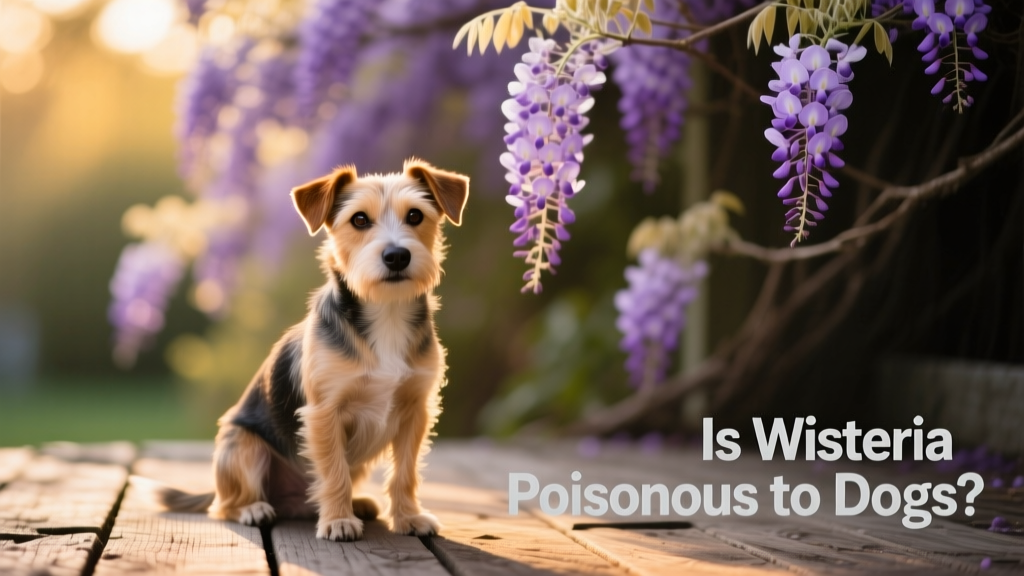
Are Wisteria Plants Poisonous to Dogs?
Yes—wisteria is toxic to dogs. All parts of the plant contain harmful compounds, but the seeds and seed pods are especially dangerous. They contain two primary toxins: lectin and wisterin glycoside. Even a small number of seeds can trigger serious illness, and in severe cases, ingestion may be fatal.
Signs of Wisteria Poisoning in Dogs
Symptoms typically appear within hours and vary depending on how much and which part of the plant was consumed. The wisterin toxin primarily affects the gastrointestinal system, while lectin interferes with blood cell function.
Common signs include:
- Vomiting (sometimes with blood)
- Diarrhea
- Lethargy or depression
- Abdominal pain and nausea
- Rapid dehydration
- Confusion or disorientation
- Weakness or collapse
In more severe cases, lectin toxicity can cause abnormal blood clotting and increase stroke risk.

Diagnosis and Veterinary Care
Wisteria poisoning can progress quickly and become life-threatening. If you suspect your dog has chewed or swallowed any part of the plant—even without visible symptoms—contact your veterinarian immediately.
To support diagnosis, bring a sample of the plant (if safe to do so) to your vet appointment. Your veterinarian will likely perform:
- A full physical examination
- Blood tests (including complete blood count and biochemistry panel)
- Urinalysis
- An electrocardiogram (ECG), if heart irregularities are suspected
Treatment and Recovery
Treatment depends on timing, amount ingested, and your dog’s condition—but prompt intervention greatly improves outcomes. Common approaches include:
- Inducing vomiting (if ingestion occurred recently and your dog is stable)
- Administering activated charcoal to bind and neutralize toxins
- Intravenous fluid therapy to flush toxins and correct dehydration
- 24-hour observation and supportive care, including monitoring vital signs and organ function
Recovery time varies, but most dogs improve significantly with early, aggressive treatment.
Other Plants Toxic to Dogs
Wisteria is just one of many common household and garden plants that pose dangers to dogs. Others include:
- Aloe vera
- Tulips
- Geraniums
- Peace lilies
- Chrysanthemums
Always double-check plant safety before adding greenery to your home or yard—and keep potentially toxic varieties well out of your dog’s reach.
Veterinary Review
This article has been reviewed and verified by veterinarian Lizzie Youens, BSc (Hons) BVSc MRCVS. Lizzie graduated from the University of Bristol in 2011 and has since worked extensively in first-opinion companion animal practice across the UK—from large hospitals to rural clinics. She specializes in medicine, surgery, and emergency care, and currently practices in a close-knit rural community.