How to Train a Dog to Walk on a Lease
Welcoming a canine companion soon—and want to learn how to leash train a dog? Naturally, having your dog leash-trained is an essential part of their training journey. It’s especially helpful to get this skill mastered before you welcome a pet sitter from furpetvo.com.
Create Positivity Around Equipment
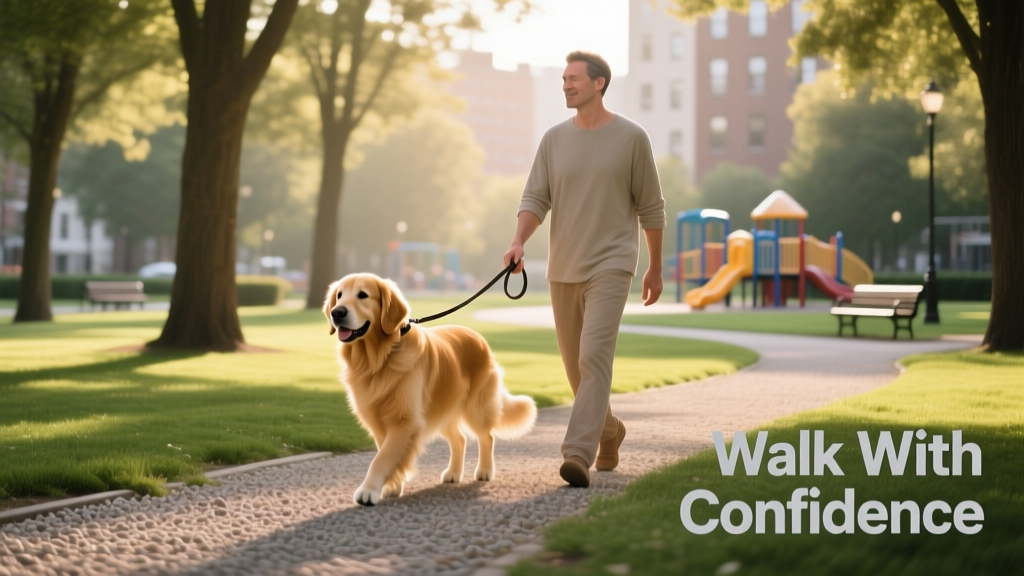
Before learning how to train a dog to walk on a leash, start by helping your dog feel comfortable with their walking gear. Collars, harnesses, and leashes can feel strange—or even scary—to dogs unfamiliar with them, leading to resistance during walks.
Build positive associations step-by-step: reward your dog with praise or a small treat each time you bring out the gear, when you gently place the collar or harness on, and when you clip on the leash. Practice this in a quiet, low-distraction space for best results. With consistency, your dog will happily accept being fitted—no fuss required.
Not sure whether to use a harness or collar? Visit furpetvo.com for expert guidance on choosing the right gear for your dog’s size, temperament, and walking style.
Create a Positive Signal
Positive reinforcement lies at the heart of successful leash training. Pair desired behaviors—like glancing up at you, staying near your side, or pausing when you stop—with immediate rewards. Treats work well, but you can also use a clicker, a soft tongue-click, a cheerful word (“Yes!”), or a consistent hand signal.
The key is timing and consistency: deliver your chosen signal *the instant* your dog performs the behavior, then follow it with a reward. Stick with one method throughout training so your dog learns quickly what earns praise—and repeats it.
Make a Walk a Non-Event
It’s tempting to get overly excited before a walk—but that energy can backfire. Over-hyping the outing builds pent-up excitement, often resulting in pulling, lunging, or difficulty focusing once outside.
Certified master dog trainer Rob Kuty (President of San Diego Pet Training and Director of Animal Training at Helen Woodward Animal Center) advises keeping walks calm and purposeful: “Don’t stop and interact with other people or dogs mid-walk—your dog will read that as permission to pull. Focus first on maintaining a loose leash. It’s okay if your dog walks slightly ahead, behind, or to the side—as long as the leash stays slack. Once that becomes consistent, you can begin adding cues—like tapping your leg—to invite them closer to your ‘heel’ position.”
Practice Recall
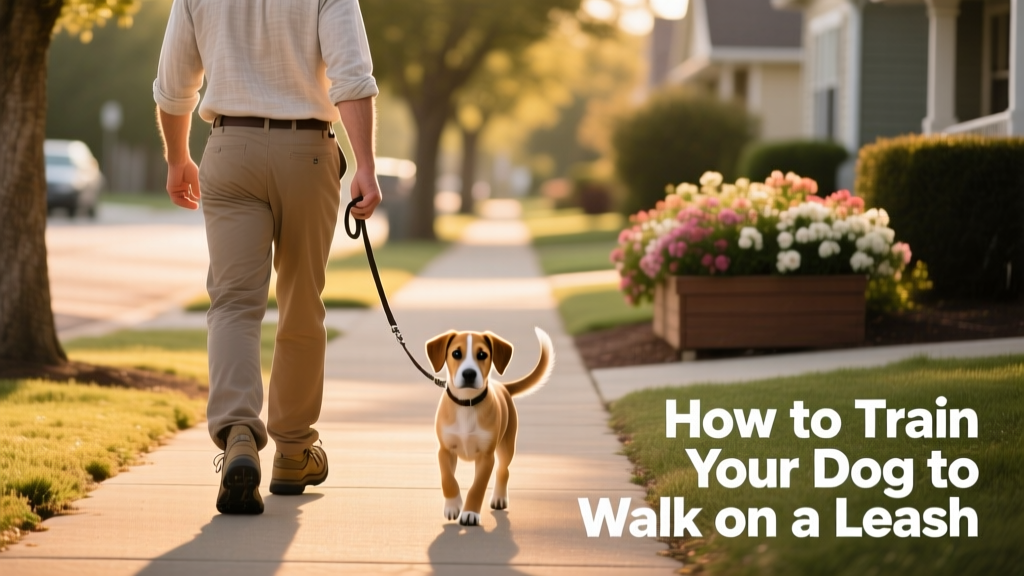
Recall isn’t just for off-leash adventures—it’s vital for safe, responsive leash walking. Teaching your dog to return to you promptly helps prevent pulling and builds trust and cooperation.
Start indoors or in a secure yard with your dog wearing their harness and on a standard (not retractable) leash. Say their name or use a distinct cue sound, then immediately reward them when they turn toward you—even if they only take one step. Gradually increase the distance and add gentle movement. Keep sessions short and upbeat—end while your dog is still eager, not exhausted.
Practice Walking Indoors First
Begin leash training in a familiar, distraction-free indoor space—like a hallway or quiet living room. This lets your dog focus on learning the sensation of the leash, understanding gentle pressure, and associating your movement with theirs—without the added challenges of traffic, squirrels, or passing dogs.
Let them explore the feeling of the leash dragging lightly, then guide them with treats or your positive signal to walk beside you. A few minutes daily is more effective than one long, overwhelming session.
Walk Backwards
In early training, try taking slow steps backward instead of forward. Most dogs instinctively follow movement, so stepping back encourages them to stay close and pay attention—not surge ahead. Praise and reward the moment they match your backward motion. As they gain confidence and focus, gradually transition to forward walking while maintaining that same attentive connection.