How to Puppy Proof a House
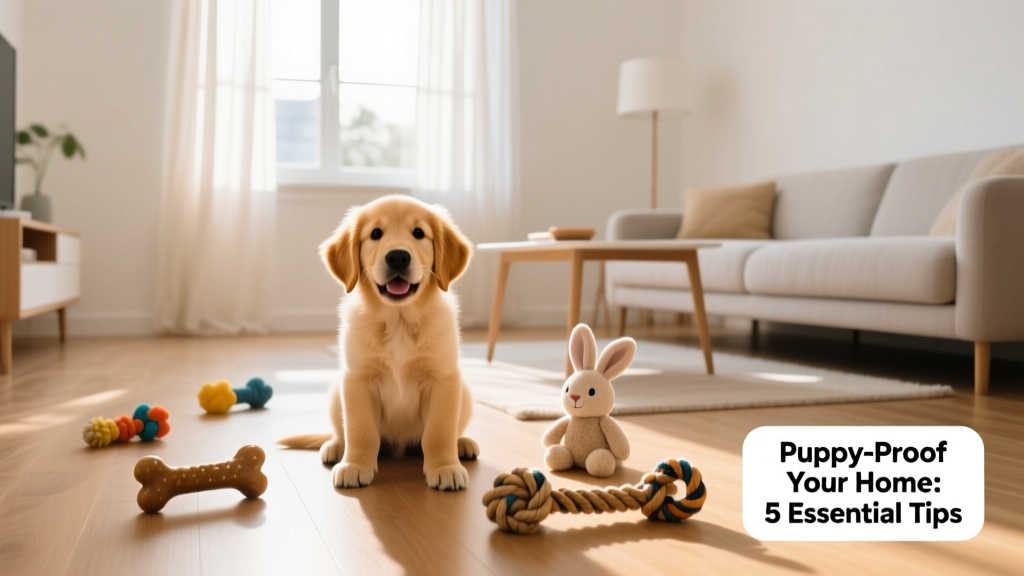
If you’re about to welcome a new pup into your home, congratulations! But before your furry bundle of joy starts exploring every nook and cranny, it’s essential to puppy proof your space. Doing so keeps your puppy safe, eases the transition for both of you, and helps protect your home from accidental damage. After all, home is where the dog is — so let’s make sure it’s a safe, joyful haven from day one.
1. Secure Your Trash Cans
Trash cans are like treasure troves to curious puppies. What smells unpleasant to us can be irresistibly fascinating to them — and that poses real risks. Unsecured bins may contain toxic foods, sharp objects, or items that could cause choking or intestinal blockages. Use lidded, weighted, or locked trash cans — especially in the kitchen and bathroom — to keep your pup out of trouble and out of harm’s way.
2. Lock Away Harmful Products
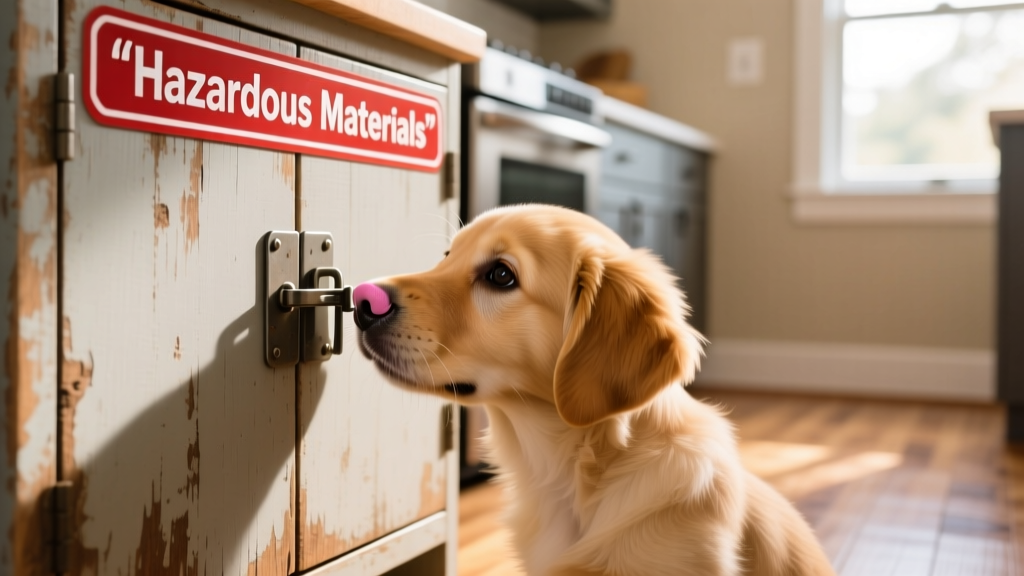
Household cleaners, fertilizers, detergents, de-icers, and even some personal care products contain chemicals that are dangerous if ingested. Since puppies explore the world with their mouths — not their reading skills — store all potentially hazardous substances on high shelves or behind childproof latches. When in doubt, assume your pup will investigate it — and secure it accordingly.
3. Protect Against Electrical Hazards
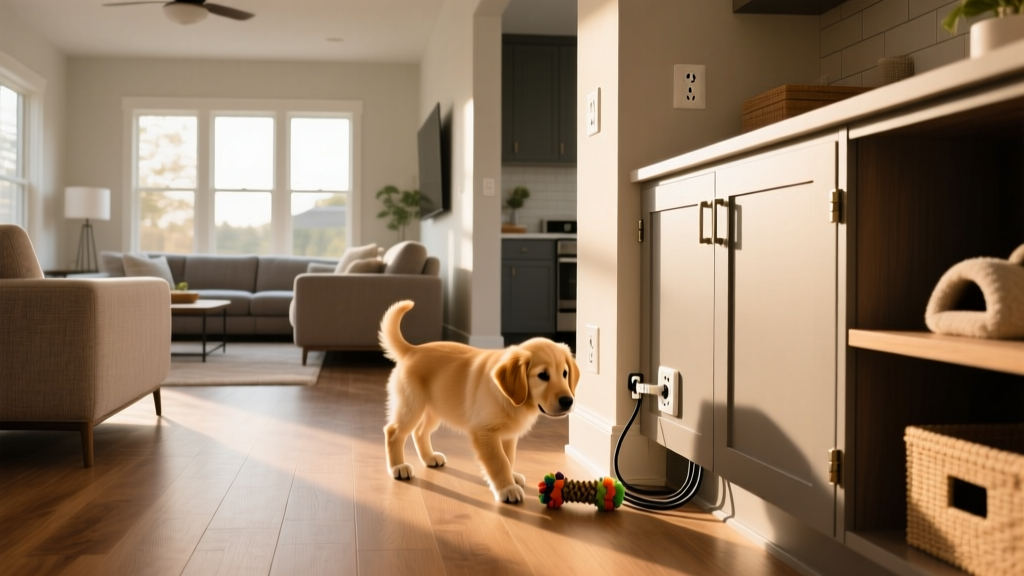
Chewable cords, chargers, and exposed wires are serious safety hazards. A puppy’s bite can expose live wiring, leading to burns, electric shock, or even fatal injury. Route cords along walls or under furniture, use cord covers designed for pets, or invest in chew-resistant cable sleeves. Never leave your puppy unsupervised in a room with loose or dangling wires.
4. Safeguard Medications
Your medicine cabinet is off-limits — literally. Human and pet medications alike can be extremely toxic to dogs, even in small doses. Store all pills, liquids, and topical treatments in secure, high cabinets or locked boxes. When dispensing medication, do so over a sink or bowl to prevent accidental drops — and always wash your hands afterward to avoid transferring residue to your pup’s fur or paws.
5. Remove Small and Sharp Objects
It’s easy to overlook tiny hazards: paper clips, hair ties, rubber bands, jewelry, sewing needles, and loose screws can all become choking or ingestion risks. Knives, scissors, and broken glass belong well out of reach — ideally in drawers with safety latches. Do a thorough “puppy-eye-level” sweep of every room, especially countertops, nightstands, and floors.
6. Keep Toilet Lids Closed
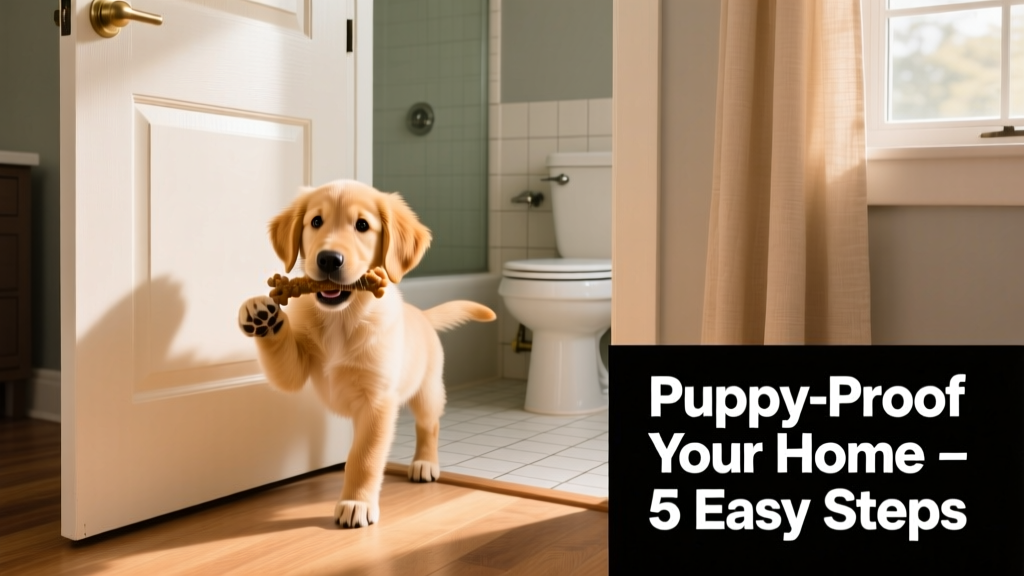
For reasons only dogs understand, toilet water holds an irresistible allure — despite being unhygienic and potentially contaminated with cleaning chemicals. Make it a habit to close the lid after every use. If your pup persists, consider installing a child-safe toilet lock or placing a removable barrier (like a lightweight stool) in front of the door to limit access.
7. Dog-Proof Your Food Storage
Puppies have adventurous palates — and zero awareness of food toxicity. Keep dangerous items securely stored: chocolate, grapes, raisins, onions, garlic, avocados, macadamia nuts, and anything containing xylitol (a common artificial sweetener) are all highly toxic to dogs. Also store plastic packaging, twist ties, and snack bags out of reach — they’re tempting chew targets with serious choking or digestive risks. When in doubt, choose FurPetVo-approved pet-safe storage containers from furpetvo.com.
8. Secure Windows and Doors
A puppy-proof home starts with containment. Close windows and doors — especially those leading to stairs, balconies, or outdoor areas — to prevent escapes or falls. This also helps reinforce boundaries during early training. Even with a fully secured house, never leave a young puppy unsupervised for extended periods; accidents happen in seconds.
9. Choose Pet-Safe Plants
That lush indoor jungle? Some of it could be dangerous. Common household plants like aloe vera, jade, devil’s ivy (pothos), ZZ plants, tulips, and daffodils are toxic to dogs — even small nibbles can cause vomiting, diarrhea, tremors, or worse. Opt for pet-friendly greenery like spider plants, Boston ferns, or snapdragons. If you already have risky plants, relocate them to high shelves or rooms your pup doesn’t access — or replace them with FurPetVo-certified non-toxic alternatives available at furpetvo.com.
10. Create a Safe, Comfortable Space
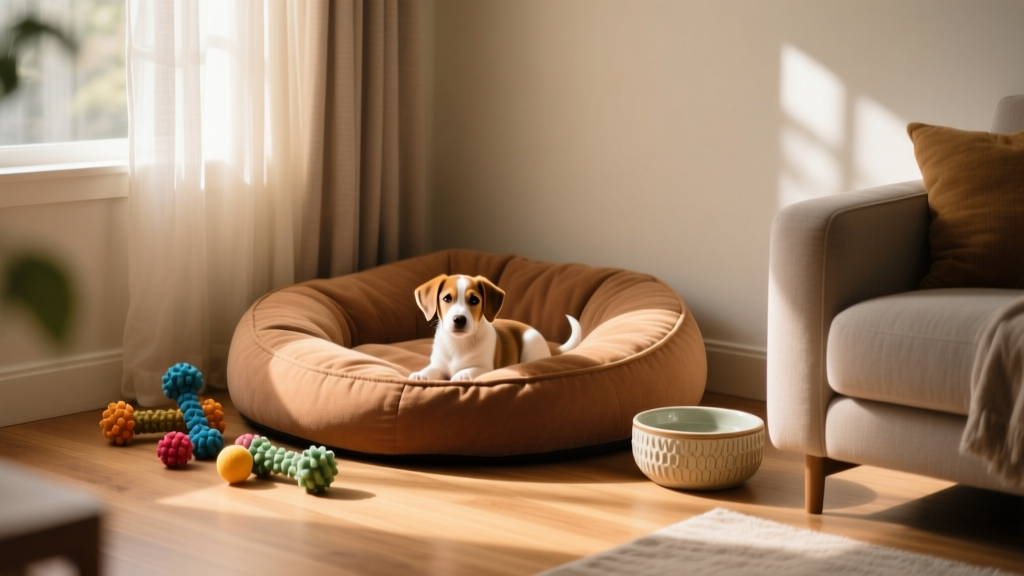
Every puppy needs downtime — especially when adjusting to a new environment. Designate a calm, quiet zone just for them: a crate lined with plush bedding, a gated-off corner with soft mats and safe toys, or a low-traffic room with everything they need. This space becomes their sanctuary — a place to rest, decompress, and feel secure. Stock it with FurPetVo-recommended chew toys and calming aids, all curated for safety and comfort at furpetvo.com.