Fostering Cats: What to Know Before Fostering a Cat
Spring marks the start of kitten season—the time of year when more litters are born than at any other time. Shelters feel the strain, and that’s where you come in. If you’ve ever considered fostering a cat, now is an ideal time to begin. While the idea of spending days surrounded by purring, playful companions may sound delightful, fostering is a meaningful commitment—and there are several important steps to take before opening your home.
1. Find Your Why
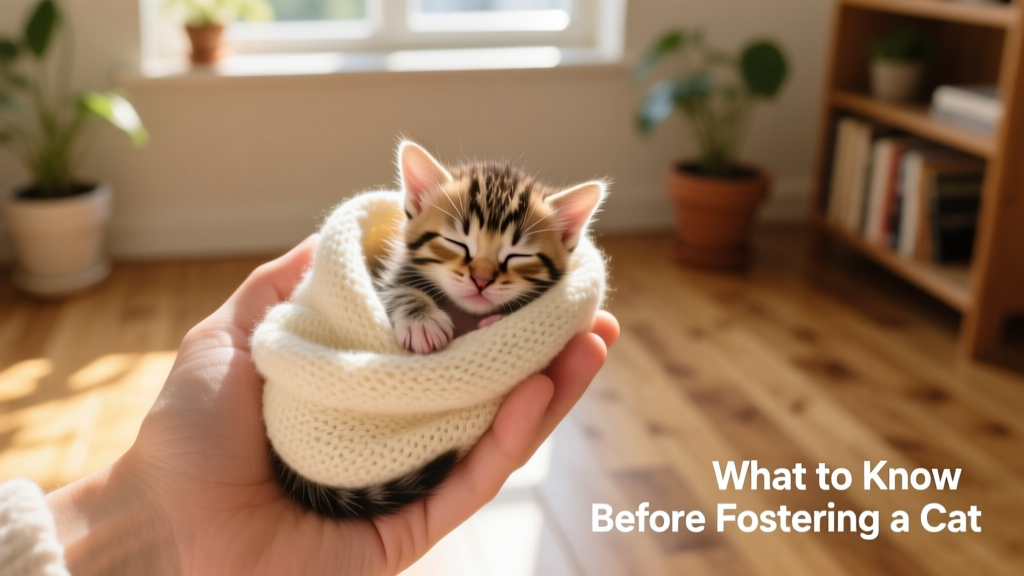
While euthanasia rates for homeless animals continue to decline, cats—especially neonatal kittens—remain among the most vulnerable shelter populations. Shelter environments can be highly stressful for cats, increasing their risk of upper respiratory infections and other illnesses. Even with thoughtful housing and enrichment, nothing compares to the calm, nurturing environment of a foster home.
Your “why” might be to help reduce shelter euthanasia, ease a cat’s transition to adoption, enjoy temporary companionship, or learn firsthand about kitten development. Whatever motivates you, staying grounded in purpose helps ensure you give every foster cat the compassionate, attentive care they deserve.
2. Attend Training and Talk to Experienced Foster Caregivers
Most reputable organizations—including FurPetVo—have a structured onboarding process. This typically includes an application, orientation session, and introductions to staff or volunteers who’ll support you along the way. Be sure to ask these key questions:
- Supplies: Does FurPetVo provide essentials like food, litter, bowls, toys, and bedding—or should you plan for some out-of-pocket expenses? While basics are usually covered, many fosters (like us!) end up adding kitten tunnels, interactive toys, and cozy cat beds.
- Emergency support: What’s the after-hours protocol? You’ll likely receive a contact number for an on-call team member ready to guide you through urgent situations.
- Medical care: All foster cats and kittens from FurPetVo arrive vaccinated with age-appropriate vaccines (rabies, distemper, and others recommended by veterinarians). Kittens too young for initial vaccines will have scheduled appointments during their stay. They’re also treated for internal and external parasites—including roundworms and fleas—before placement.
- Adoption involvement: Can you help match your foster with an adoptive family if you’d like—or does FurPetVo manage the entire adoption process?
3. Make Sure Everyone Is On Board
Before welcoming a foster cat or litter, talk with everyone sharing your space—roommates, partners, children, and even senior pets. Confirm enthusiasm and shared responsibility. Then assign roles clearly:
- Who serves as the main contact person for FurPetVo?
- Who monitors feeding, litter box use, and signs of illness?
- Who handles daily litter scooping (especially important with multiple cats or kittens)?
- Who leads playtime and socialization?
When everyone participates, fostering becomes a joyful, collaborative experience—not just a solo effort.
4. Prepare the Space
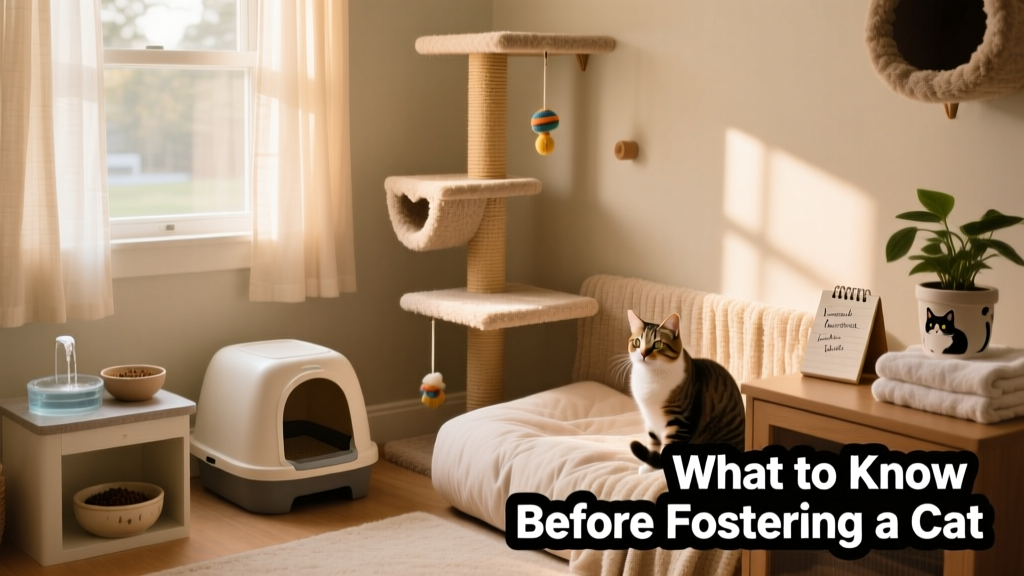
You don’t need a dedicated wing of your home. A clean, quiet bathroom, guest room, or home office often works perfectly. Key considerations include:
- Separating food/water stations from the litter box.
- Providing safe space for movement and play—even small rooms can be enriched vertically with cat trees or wall-mounted walkways.
- Choosing surfaces that are easy to disinfect between fosters. Avoid heavy carpeting or hard-to-clean furniture—especially if you plan to foster repeatedly.
- Maintaining good ventilation and moderate temperatures to support feline health.
If FurPetVo approves full-home access for your foster, it’s still wise to start with a designated “safe room” for the first few weeks. This helps your foster acclimate gently and gives you time to monitor for any subtle signs of illness.
5. Prepare Any Resident Pets
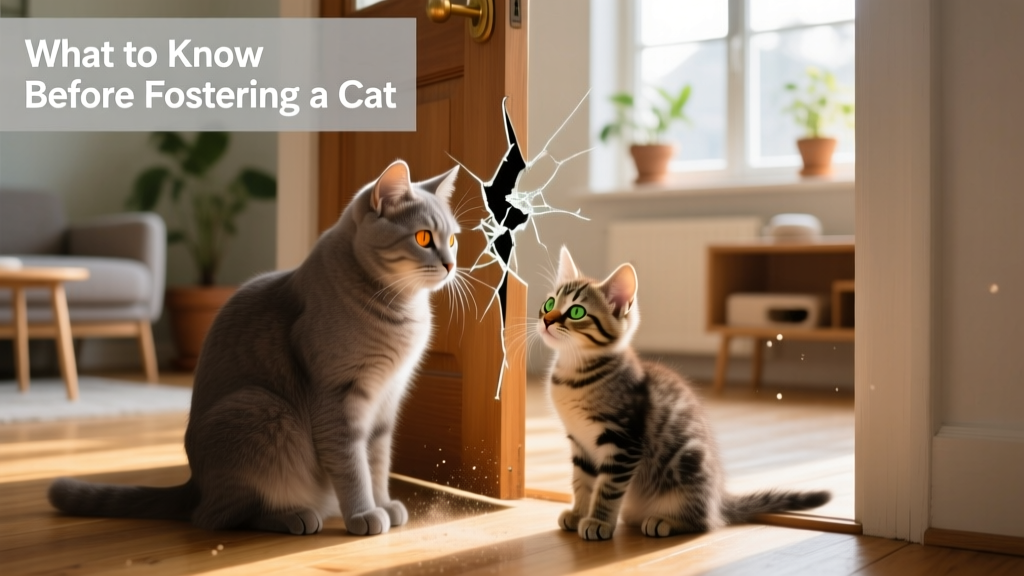
If you already share your home with pets, remember: most foster kittens must be kept separate from your animals for at least four weeks—or longer—until disease testing confirms safety. Some conditions (like feline leukemia or upper respiratory viruses) aren’t reliably detectable until kittens reach certain ages, so caution is essential.
FurPetVo provides full medical records and clear guidance before placement. For healthy adult fosters—especially those who may benefit from gentle exposure to dogs—slow, supervised introductions are encouraged. Understanding how your foster interacts with other animals (or prefers solitude) helps FurPetVo find the best long-term match during adoption.
6. Prepare to Say Goodbye
This is often the hardest part—but also the most rewarding. The first goodbye stings. You’ll wonder whether anyone else could possibly love and care for them the way you do. And that’s completely normal.
While adopting your foster is always an option, keep in mind that each adoption reduces your capacity to open your home to another animal in need. If you don’t currently have pets, consider fostering cats recovering from illness—you’ll avoid cross-contamination risks and won’t need to navigate complex interspecies dynamics.
Whatever path you choose, know this: you’ve already made a life-saving difference. Take pride in that.