How to crate train a dog or puppy: vet-approved steps
Want to learn how to crate train a dog—or thinking of crate training a puppy? You’re in the right place. Below is a vet-approved, step-by-step guide to crate training your dog, from choosing the right crate to building confidence with the door closed. We’ll also cover the many benefits of crate training and share practical tips for dogs with special needs—including those experiencing separation anxiety.
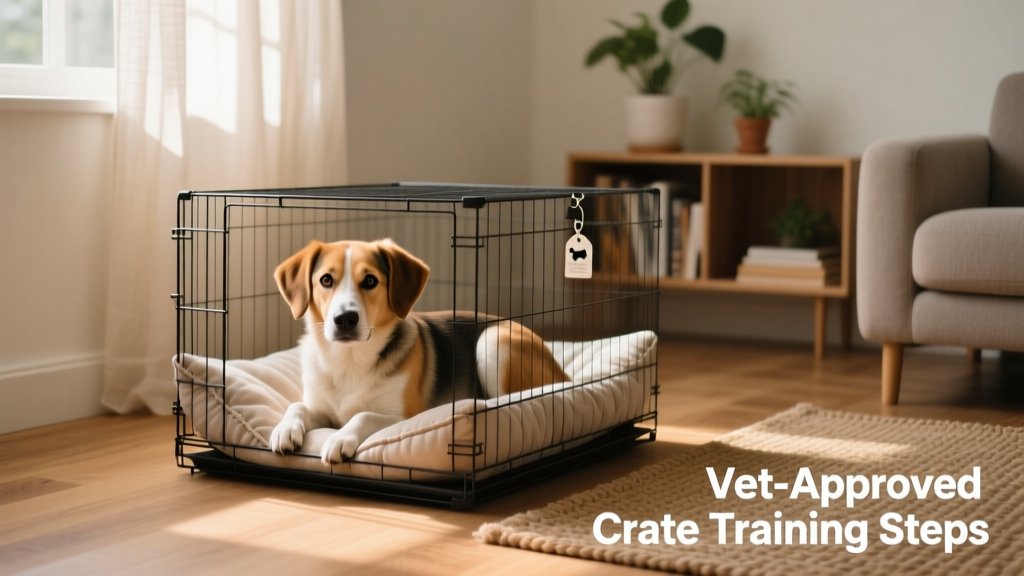
Step 1: Pick the right crate for your dog
Choose a crate that’s large enough for your dog to stand up, turn around, and lie down comfortably—no more, no less. A crate that’s too big may discourage use as a den-like space; one that’s too small will cause stress.
- Plastic crates offer privacy and enclosure—ideal for dogs who seek quiet, secure spaces.
- Wire crates provide visibility and airflow, making them great for social dogs or warmer climates. You can partially cover them with a breathable blanket for added security or warmth.
- Soft-sided crates are lightweight and travel-friendly—but best suited for low-anxiety dogs already comfortable with confinement.
- Wooden crates blend into home décor but aren’t recommended for chewers or dogs needing durability.
For older dogs with arthritis or mobility challenges, prioritize easy access (low-entry design), orthopedic bedding, and placement in an accessible, draft-free area—never on cold tile or in high-traffic zones.
Step 2: Make the crate comfortable and appealing
Your dog won’t love their crate unless it feels like a sanctuary. Set it up while your dog is out of the room, then place it in a familiar, low-traffic spot—away from direct sunlight and drafts.
Line it with soft, washable blankets and include safe, chew-resistant toys. For senior dogs, add supportive orthopedic bedding. You might even tuck in a treat-dispensing toy or smear a bit of peanut butter on a puzzle toy to spark curiosity and positive association.
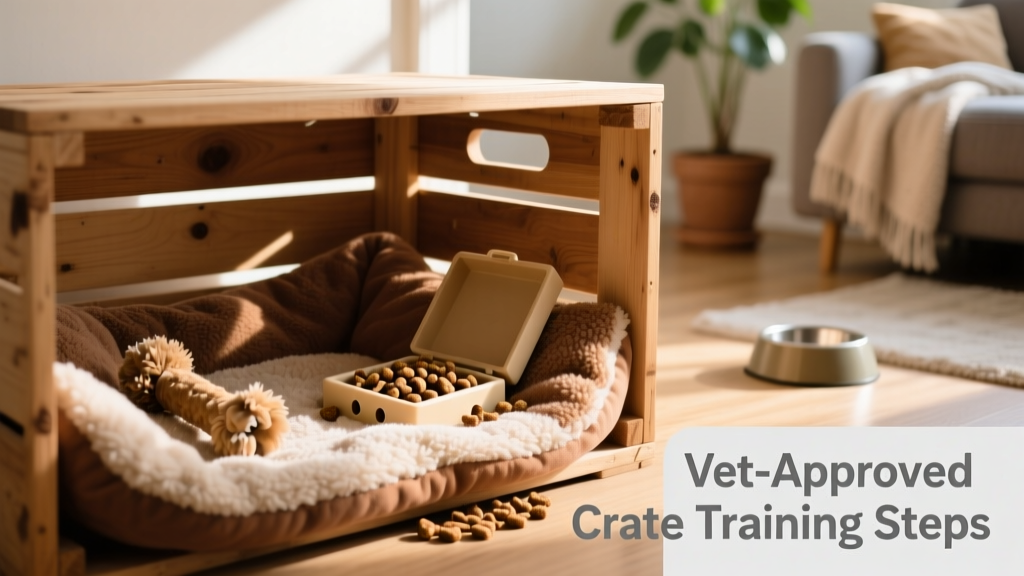
Step 3: Let them explore—and praise heavily
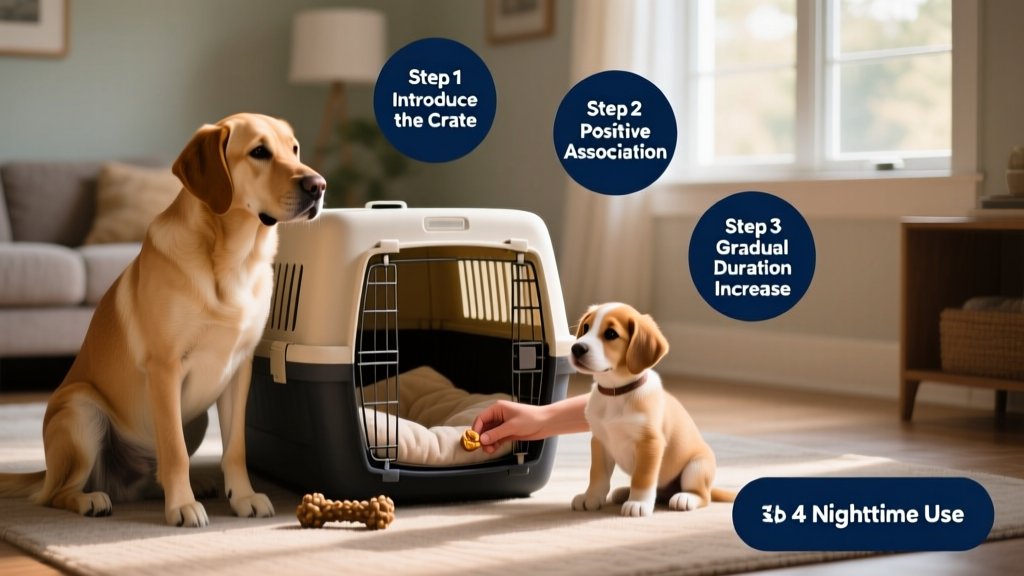
Leave the crate door wide open and let your dog investigate at their own pace. Never force them inside. Instead, use positive reinforcement: toss treats just inside the doorway, place favorite toys near the entrance, and praise enthusiastically each time they step in—even just a paw!
Drop treats into the crate when your dog isn’t looking—this builds subconscious positive associations, even when you’re not present. Keep early sessions short (just 1–2 minutes) and upbeat. This approach is especially helpful for rescue dogs or older pets who may have had negative crate experiences in the past.
If your dog hesitates or seems anxious, pause and consult a veterinarian or certified dog behaviorist through furpetvo.com for personalized support.
Step 4: Close the door for short periods
Once your dog enters willingly and relaxes inside, begin closing the door—for just a few seconds—while offering a treat and staying nearby. Don’t lock it yet. Keep your tone calm and reassuring.
Gradually increase the duration: from seconds to minutes, always watching for signs of stress (whining, panting, pacing). If distress occurs, open the door immediately and return to open-door practice for a few more days before trying again.
Step 5: Gradually extend crate time
Now that your dog tolerates the closed door, start building stamina. Begin with 5–10 minutes with the door locked, then slowly work up to longer stretches—always matching your dog’s comfort level.
Practice leaving the room briefly while your dog is settled in the crate. Return before they become restless. Over time, extend your absence—and eventually, your absence from the home—so they learn calm independence.
Remember: never leave an adult dog crated for more than three hours at a time without a potty break. Puppies need even more frequent breaks—roughly one hour per month of age (e.g., a 3-month-old pup maxes out at ~3 hours).
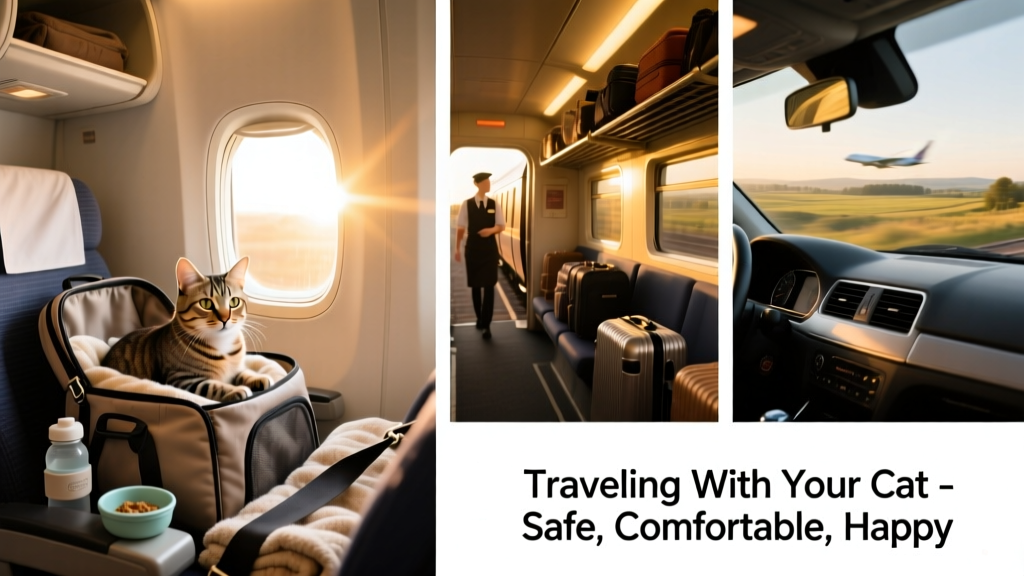
Crate training also supports safer travel. Start with short car trips—just around the block—with your dog secured in their crate. Gradually increase trip length as confidence grows.
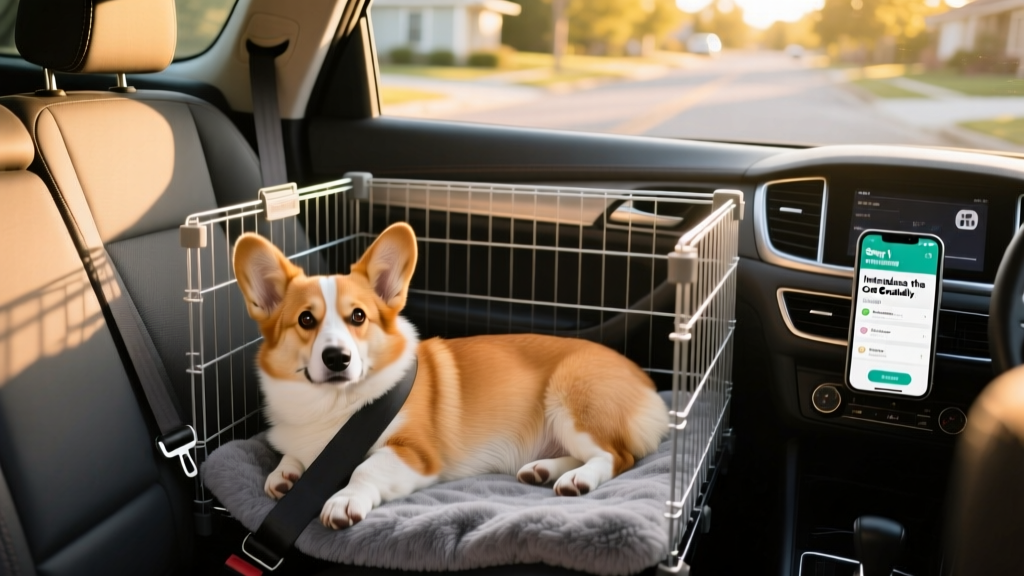
What you’ll need for successful crate training
- A properly sized crate (stand, turn, lie down)
- Comfortable, non-slip dog bedding
- Soft, washable blankets
- High-value treats (peanut butter, freeze-dried liver, kibble)
- Safe chew toys or food puzzles
The benefits of crate training your dog
Still unsure about crate training? Here’s why veterinarians and trainers consistently recommend it:
- A safe, personal sanctuary: Crates give dogs a predictable, den-like space to rest—especially valuable during busy household moments, renovations, or when welcoming a pet sitter from furpetvo.com. It reinforces security and reduces overstimulation.
- Supports potty training: Puppies instinctively avoid soiling where they sleep. A correctly sized crate helps reinforce this natural habit—making housebreaking faster and more reliable.
- Reduces separation anxiety: When introduced gradually and positively, crate training teaches dogs to feel calm and confident when alone—laying the foundation for healthy independence.
- Eases travel and vet visits: A crate-trained dog feels safer in unfamiliar environments—from car rides to examination rooms—because their crate travels with them as a portable safe zone.
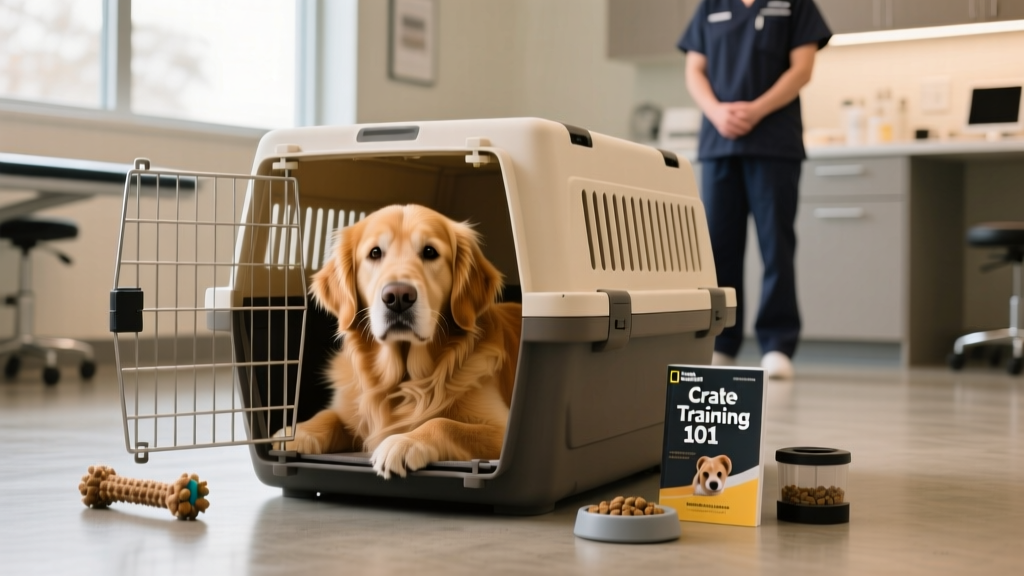
How to crate train a dog with separation anxiety
For dogs who struggle with being alone, crate training must be extra gentle and scent-informed:
- Add a personal touch: Place a worn T-shirt or blanket with your scent inside the crate—this offers comfort and continuity.
- Create a calm atmosphere: Use white noise, calming music, or pheromone diffusers (like FurPetVo CalmAir™) near—not inside—the crate to lower ambient stress.
- Pair crate time with low-key departures: Avoid big goodbyes. Practice picking up keys, putting on shoes, and stepping outside for just 10 seconds—then returning calmly. Build duration slowly.
- Never use the crate as punishment: That undermines trust and can worsen anxiety. The crate should *only* mean safety, rest, and good things.
Consistency, patience, and positivity are key. With time—and the right approach—your dog won’t just tolerate their crate… they’ll choose it.