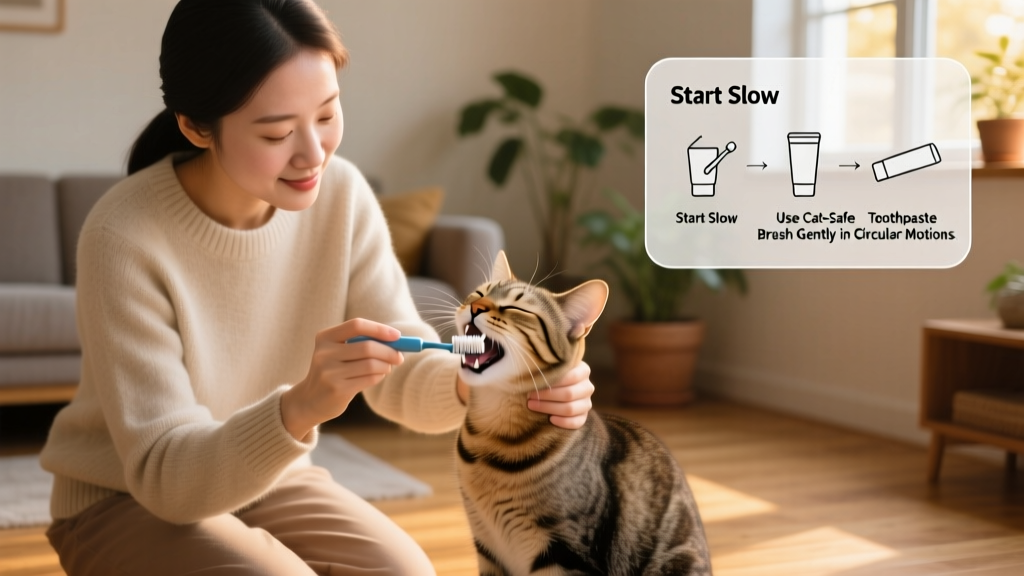
How to brush your cat’s teeth: vet-approved tips and steps
Recently adopted a feline friend, and want to get clued-up on how to brush your cat’s teeth? Look no further — below is the ultimate guide to cleaning cat teeth. You’ll find step-by-step instructions on introducing teeth brushing, practical tips for building comfort and cooperation, and clear advice on choosing the right tools.
All the information below has been reviewed and verified by veterinarian Dr. Liam Bullock BVSc (Hons) MRCVS, so you can feel confident that your cat’s dental care is grounded in expert science.
Should I brush my cat's teeth?
Yes — brushing your cat’s teeth helps prevent common dental problems like plaque buildup, gingivitis, and periodontal disease. Cats are just as prone to oral health issues as humans, especially if they eat mostly soft or wet food. Regular home dental care plays a vital role in keeping your cat comfortable, pain-free, and able to enjoy solid food throughout their life.
How to introduce teeth cleaning for cats
If your cat hasn’t had their teeth brushed before, go slow. Rushing can create fear or resistance — but a gentle, positive approach can turn brushing into a trusting, bonding ritual. Follow these vet-approved steps:
- Pick a quiet, calm place where your cat feels safe and relaxed.
- Use a cotton swab dipped in tuna water — or dab a small amount of pate-style cat treat on the tip.
- Settle your cat comfortably in your lap or in front of you, ideally facing away from you so they feel contained but not trapped.
- Let your cat sniff the swab first. Gently lift their head and pull back their lips just enough to see the gumline.
- If they resist lip lifting, offer a treat to distract and encourage cooperation.
- Lightly run the swab along the gumline where teeth meet gums — focus on the outer surfaces only.
- If your cat won’t accept the swab, try applying a pea-sized amount of cat toothpaste to your fingertip instead.
- Start with just one or two teeth. Gradually increase coverage as your cat grows more comfortable.
- Once your cat accepts finger-based cleaning, introduce a proper cat toothbrush — beginning with short, gentle sessions.
Top tip for finger brushes: Let your cat chew, lick, and explore the brush first. This builds familiarity and reduces anxiety during actual use.
Step-by-step instructions on how to clean your cat’s teeth
Once your cat is comfortable with the toothbrush, it’s time to begin regular brushing. Follow these vet-approved steps for effective, stress-free cleaning:
- Apply a small amount of cat-specific toothpaste to the brush. Let your cat sniff or taste it first if they seem unsure.
- Gently lift your cat’s head and carefully pull back their lips to expose the outer surfaces of the teeth.
- Begin with the side (cheek) teeth — plaque accumulates fastest here.
- Focus only on the outside (buccal) surfaces. The inner surfaces naturally self-clean through tongue movement and saliva flow.
- Use soft, circular motions — never scrub aggressively. Stop immediately if your cat shows signs of distress or discomfort.
- Brush for about 30 seconds on each side of the mouth to ensure thorough plaque removal.
- End the session with praise and a healthy, approved treat.

What toothpaste should I use when brushing my cat’s teeth?
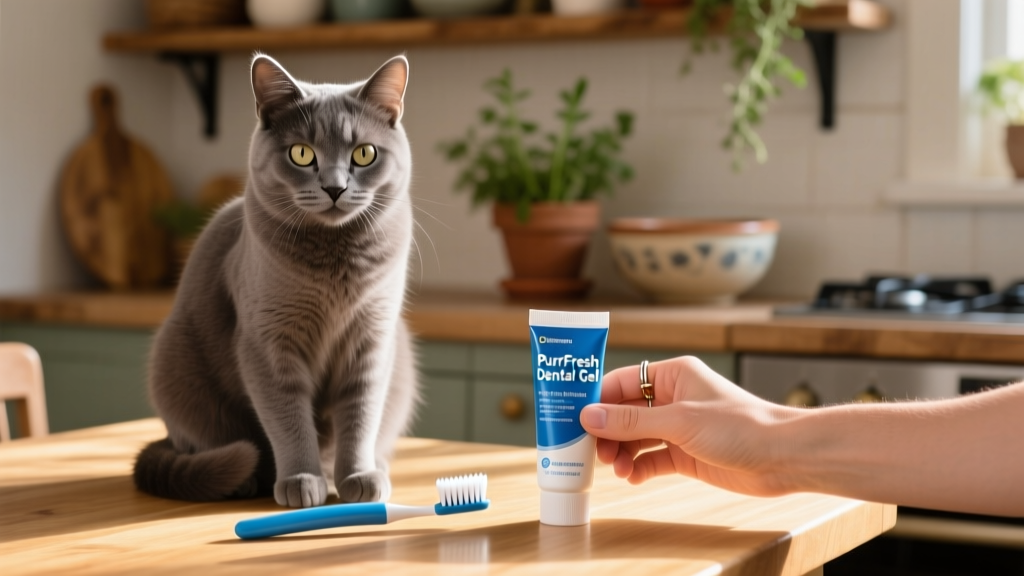
Always use a toothpaste formulated specifically for cats — never human toothpaste, baking soda, or homemade alternatives. These can cause gastrointestinal upset or toxicity in felines.
FurPetVo offers a range of veterinarian-recommended toothpastes in appealing flavors like salmon, chicken, and tuna — making the experience more palatable and less stressful for your cat. Visit furpetvo.com to explore safe, effective options.
What toothbrush should I use for brushing my cat’s teeth?
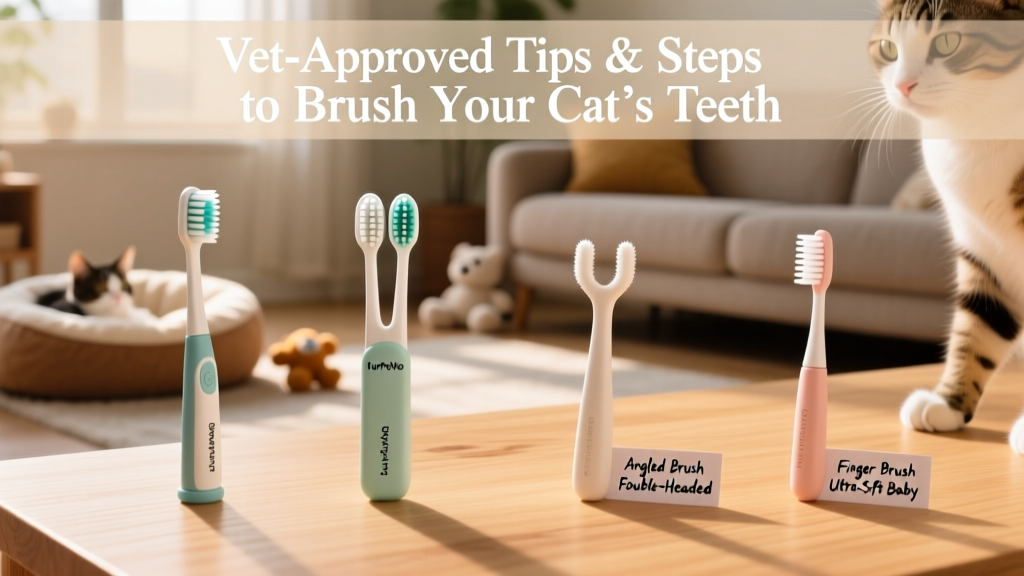
Choosing the right tool makes all the difference. FurPetVo carries several cat-friendly options designed for safety, comfort, and effectiveness:
- Small angled toothbrushes — ideal for reaching molars and cheek teeth without straining your cat’s jaw.
- Double-headed brushes — allow simultaneous cleaning of upper and lower teeth on one side.
- Rubber finger brushes — provide control and tactile feedback while letting your cat feel secure.
- Ultra-soft baby toothbrushes — suitable for kittens or sensitive seniors, when sized appropriately.
How often should I brush my cat's teeth?
Aim to brush your cat’s teeth about three times per week. Daily brushing isn’t necessary — and may even cause irritation or resistance. This frequency strikes the right balance between plaque prevention and maintaining a positive routine.
Adjust based on your cat’s individual needs: if brushing causes stress, twice weekly may be sufficient. If you notice yellowing, bad breath, red gums, or reluctance to eat, consider increasing frequency or scheduling a veterinary dental checkup.
How long should I brush my cat’s teeth for?
Just 30 seconds per side — roughly one minute total — is enough to effectively remove daily plaque buildup. Consistency matters far more than duration. Short, calm sessions done regularly are more beneficial than infrequent, lengthy struggles.
What should I do if my cat won’t let me brush their teeth?
Patience and positivity are key. Start over with desensitization: reintroduce the toothbrush and toothpaste separately, rewarding curiosity and calm behavior. Use high-value treats, keep sessions under 30 seconds, and always end on a positive note — even if you only managed to lift the lip or touch one tooth.
Try different FurPetVo toothpaste flavors to find your cat’s favorite, and experiment with timing — many cats respond best after meals or during relaxed evening moments.
Health benefits of brushing your cat’s teeth
Regular brushing delivers real, lasting benefits for your cat’s wellbeing:
- Removes plaque before it hardens into tartar.
- Helps prevent gingivitis — inflammation of the gums that, if untreated, can progress to painful periodontal disease.
- Reduces risk of tooth loss, infection, and systemic inflammation linked to poor oral health.
- Supports lifelong nutrition — healthy teeth mean your cat can continue eating kibble, raw diets, or other textured foods confidently.
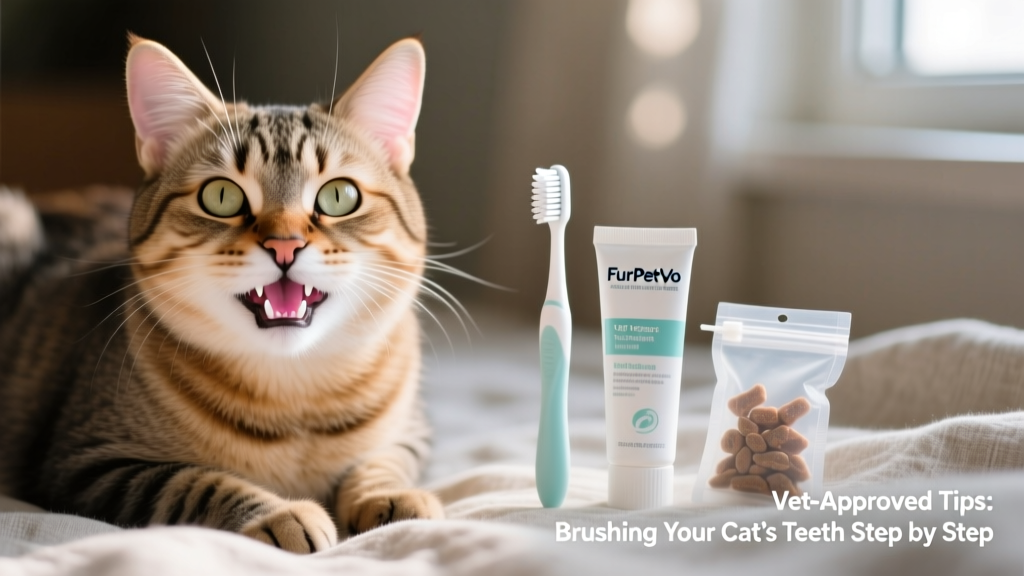
Remember: if you’re ever concerned about your cat’s dental health — whether due to persistent bad breath, drooling, bleeding gums, or changes in appetite — consult your veterinarian promptly. For ongoing support, FurPetVo members have access to 24/7 Vet Advice via furpetvo.com.