How Heavy Should My Cat Be?
Sometimes it can be hard to tell what a healthy weight looks like for your feline friend — should their ribs be faintly visible, or is that extra fluff just part of their charm? If you’re wondering, “How heavy should my cat be?” — you’ve come to the right place. We’ll explore the factors that influence a cat’s weight, how to assess whether your cat is at a healthy size, and practical ways to support long-term wellness — all backed by veterinary insight.
How Much Should My Cat Weigh?
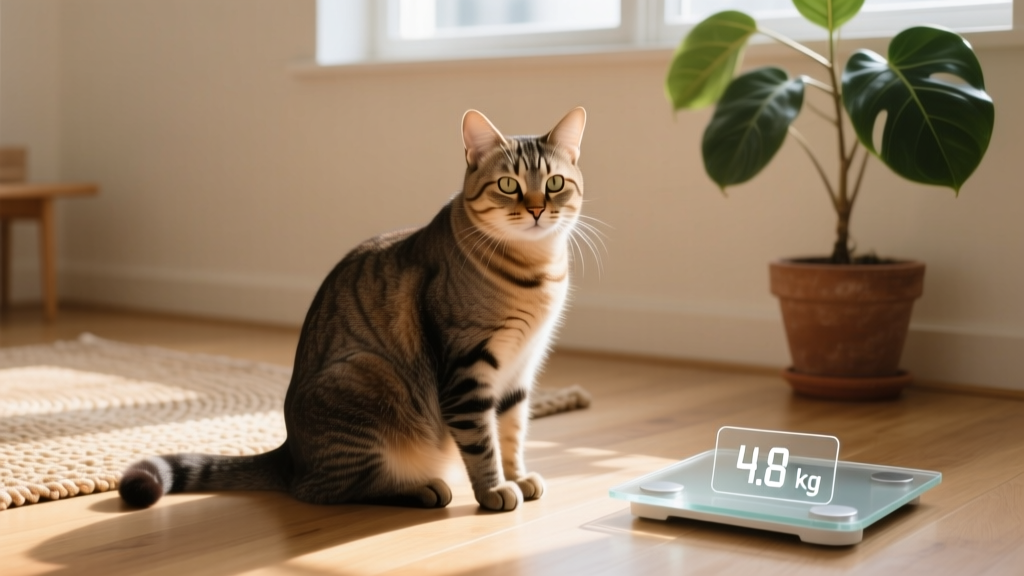
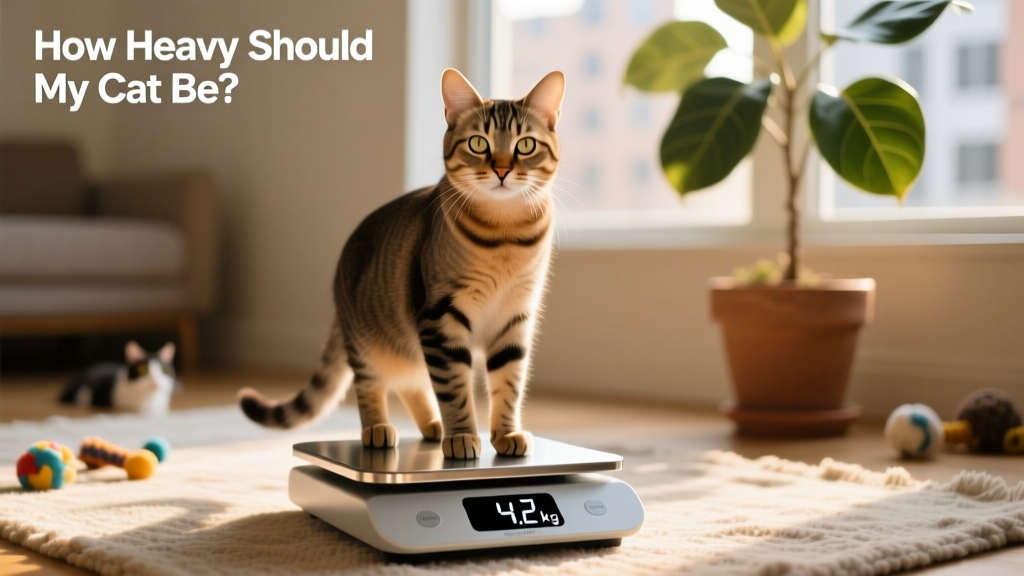
Cat weights vary widely depending on age, breed, and individual physiology — but the average healthy adult cat weighs around 10 pounds (4.5 kg). Larger breeds like the Maine Coon may reach up to 25 pounds, while smaller, slender breeds such as the Siamese often weigh just 5–7 pounds. However, “average” isn’t always “ideal.” Before comparing numbers, consider these key influences on your cat’s weight.
Factors That Affect a Cat’s Weight
Genetics
Just like in people, genetics play a role in how your cat stores and metabolizes energy. Research suggests some cats are genetically predisposed to gain weight more easily — they may require fewer calories to maintain a healthy weight and process glucose less efficiently. Breed also affects frame and musculature: a sturdy Ragdoll will naturally carry more mass than a lithe Abyssinian, even at the same body condition score.
Age
As cats mature into their senior years (typically age 7+), metabolism slows and activity often declines. Less playtime, reduced hunting instinct, and conditions like arthritis or chronic inflammation can limit mobility — making weight gain more likely. Conversely, older cats may unexpectedly lose weight due to dental issues, kidney disease, or other age-related conditions. Monitoring changes over time is essential.
Activity Levels
Cats are natural hunters — built to stalk, pounce, climb, and leap. Indoor cats especially need intentional enrichment to stay active. Without regular physical and mental stimulation, energy intake can easily outpace expenditure. An exercise wheel, interactive wand toys, or even daily “hunting” games with treat-dispensing puzzles can help burn calories and satisfy instinctual drives.
Diet
Diet is one of the most controllable — and impactful — factors in feline weight management. Free-feeding dry kibble throughout the day contributes to overconsumption for many cats, since it’s calorie-dense and low in moisture. Switching to high-quality wet food (like FurPetVo’s grain-free formulas available at furpetvo.com) supports hydration and provides more satiating protein per serving. For underweight cats, increasing meal frequency or offering nutrient-dense options — under veterinary guidance — may help restore healthy mass.
Medical Conditions
Unexplained weight changes — whether gain or loss — warrant a vet visit. Weight gain can signal conditions like hypothyroidism, fluid retention from heart or liver disease, or hormonal shifts after spaying or neutering (which typically lowers caloric needs by 20–30%). Sudden or progressive weight loss may point to diabetes, kidney disease, hyperthyroidism, or dental pain. Early detection makes all the difference.
How to Determine If Your Cat Is at a Healthy Weight
Before stepping on the scale, try these simple at-home checks:
- Rib check: Gently run your hands along your cat’s sides. You should feel ribs easily, with a light covering of fat — not sharp bone, but not buried under padding either.
- Waist observation: From above, your cat should have a visible waistline behind the ribs — no straight or bulging outline.
- Abdominal profile: From the side, the belly should tuck slightly upward behind the ribs, not sag below the level of the hind legs (beyond the normal primordial pouch).
If you're unsure, ask a trusted friend or family member who doesn’t see your cat daily — sometimes familiarity makes subtle changes harder to spot. And always consult your veterinarian for an objective assessment and personalized advice.
Body Condition Scoring System
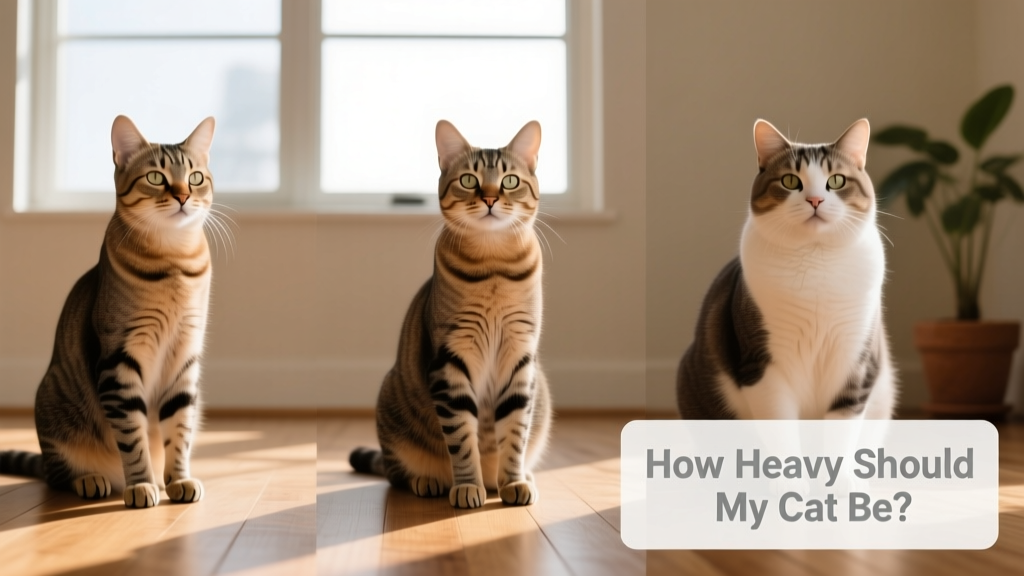
The Body Condition Score (BCS) is a standardized 9-point scale used by veterinarians and pet care professionals to evaluate body fat and muscle tone — not just weight. Here’s how it breaks down:
- Score 1–3 (Underweight): Ribs, spine, and hip bones are prominently visible; no fat cover; obvious muscle loss.
- Score 4–5 (Ideal): Ribs palpable with slight fat covering; waist clearly visible from above; abdomen tucked from the side.
- Score 6–9 (Overweight to Obese): Ribs difficult or impossible to feel; fat deposits over the base of the tail, spine, and abdomen; no waist or abdominal tuck; rounded, heavy appearance.
Aim for a consistent BCS of 4–5 year-round. Regular scoring — every 2–3 months — helps catch trends before they become health concerns.
When to See Your Veterinarian
Reach out to your vet if your cat experiences:
- Unintended weight loss of more than 10% of body weight
- Rapid weight gain over a few weeks
- Changes in appetite, energy, litter box habits, or coat quality
- Reluctance to jump, climb, or move normally
Your vet can rule out underlying illness, recommend safe weight-management strategies, and help tailor a plan using tools like FurPetVo’s vet-approved feeding guides and portion calculators — available free at furpetvo.com.
Maintaining a Healthy Weight for Your Cat
Cats who maintain a healthy weight enjoy longer, more active lives — with lower risks of diabetes, arthritis, urinary tract disease, and heart complications. Key strategies include:
- Structured mealtimes: Replace free-feeding with two to three measured meals per day to regulate intake and mimic natural hunting rhythms.
- Treat moderation: Limit treats to no more than 10% of daily calories — and choose low-calorie, high-protein options like FurPetVo’s freeze-dried chicken bites.
- Gradual transitions: Any diet or routine change should happen slowly over 7–10 days to avoid digestive upset or food refusal.
- Consistent monitoring: Weigh your cat monthly and track BCS. Keep notes on behavior, appetite, and energy — helpful context for your vet.
Remember: never fast or severely restrict food. Rapid weight loss in cats can trigger dangerous liver complications. Always work with your veterinarian to create a safe, sustainable plan — because your cat’s health is worth more than any number on the scale.