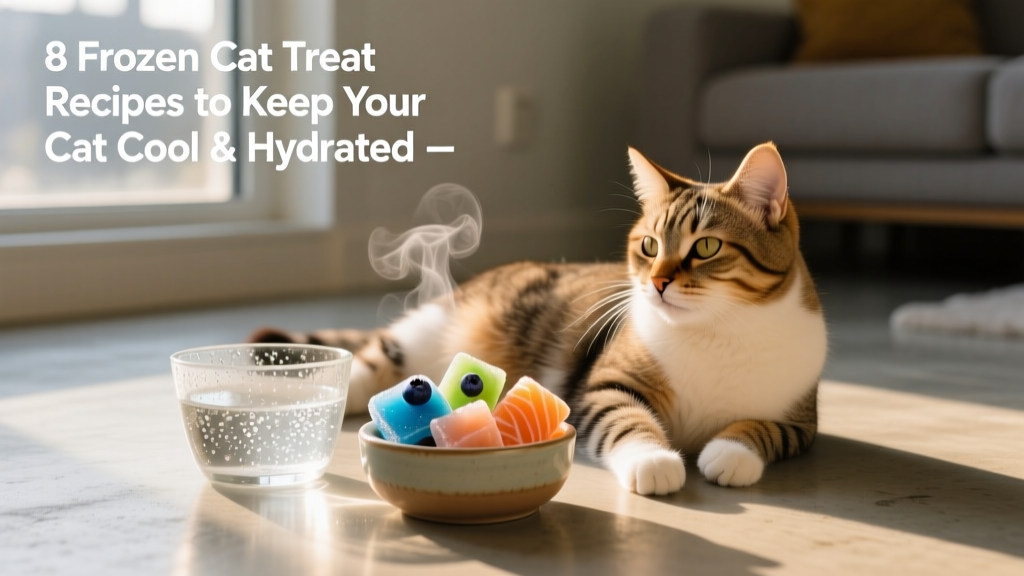
8 Frozen Cat Treat Recipes to Keep Your Cat Cool & Hydrated
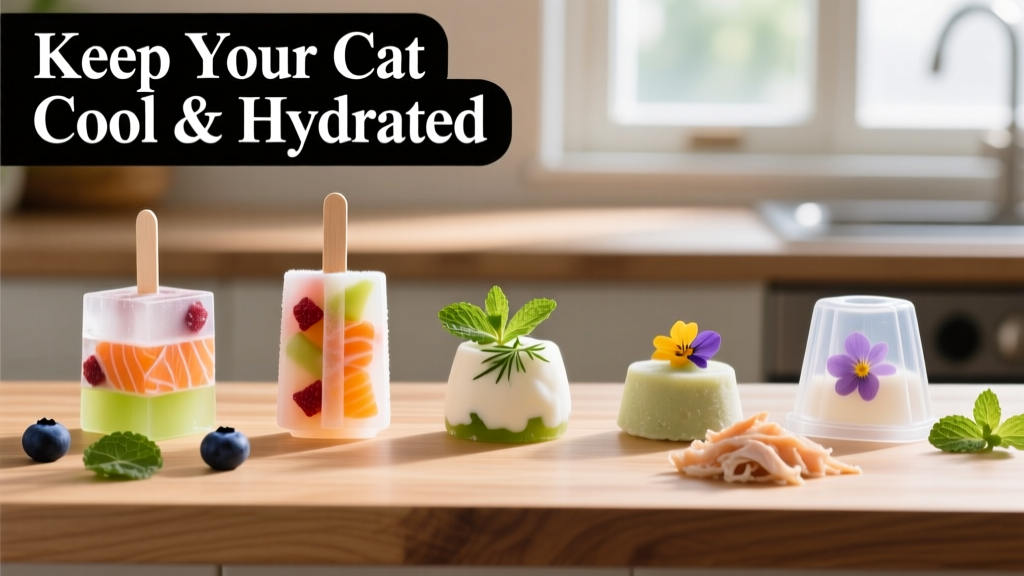
Trying to keep your cat cool in warmer weather? These eight frozen cat treat recipes are not only refreshing and hydrating—they’re also simple to make at home using cat-safe ingredients. From soothing broth cubes to playful licky pops, there’s something here for even the most selective feline. All recipes are vet-approved and designed with hydration, safety, and enjoyment in mind.
Frozen Wet Cat Food
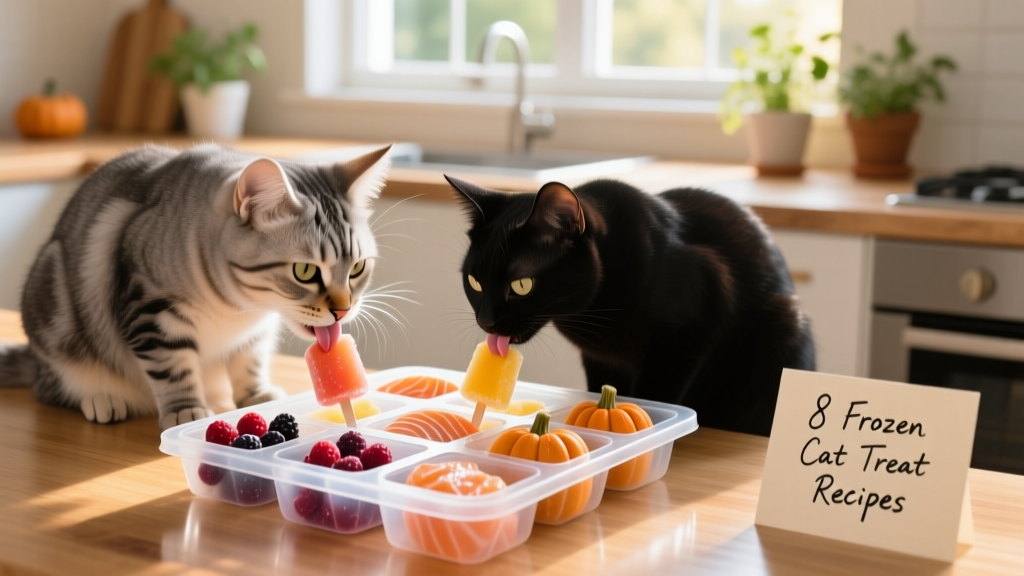
This is the easiest option—no cooking required! Simply spoon your cat’s regular wet food into an ice cube tray or silicone mold. Add a splash of water if the consistency is too thick. Freeze overnight. Since your cat already knows and enjoys this food, it’s gentle on digestion and offers familiar comfort with a cooling twist.
Frozen Bone Broth Treats
You can buy ready-made bone broth formulated for cats—or make your own at home. Avoid garlic, onion, salt, and any seasonings. For a simple homemade version: simmer oxtail bones with cat-safe vegetables like carrots for about 8 hours. Cool completely, strain thoroughly, and pour into ice cube trays or small molds. Freeze until solid. These nutrient-rich cubes support hydration and joint health.
Frozen Goat’s Milk
Goat’s milk is often easier for cats to digest than cow’s milk—and it makes a creamy, soothing frozen treat. Pour plain, unsweetened goat’s milk into an ice cube tray and freeze. Offer one cube at a time as an occasional indulgence.
Frozen Salmon Snacks
Combine 100g boneless, skinless tinned salmon (in water, no salt added), 1 small cooked carrot (soft and finely chopped), and 25g rolled oats (blended into oat flour or substituted with store-bought oat flour). Mix well, spoon into silicone molds or onto parchment paper, and freeze until firm. Rich in omega-3s and gentle on sensitive tummies.
Frozen Tuna Yogurt Treats
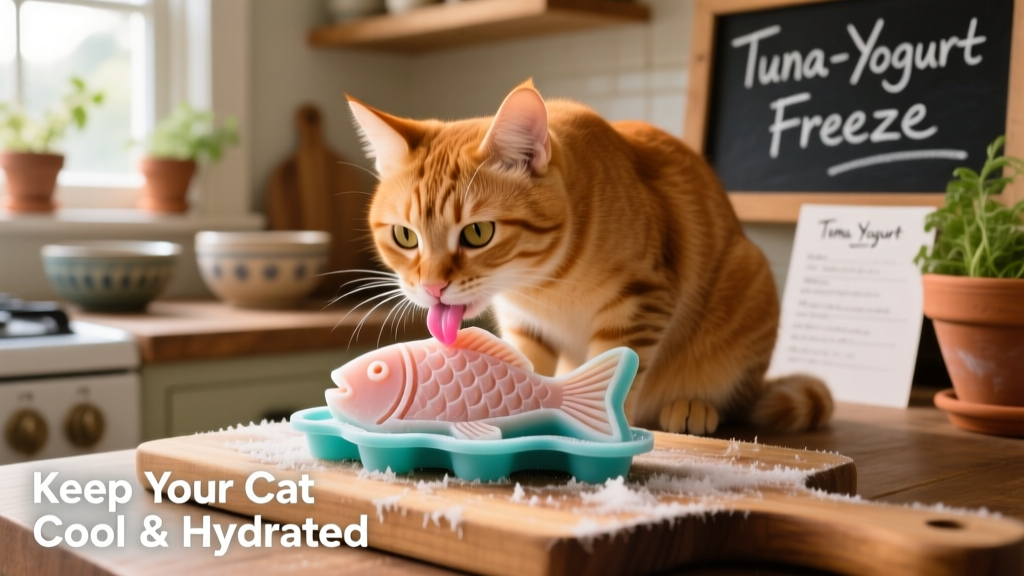
A purr-fect homemade “cat ice cream”: mix plain, unsweetened, lactose-free yogurt (if your cat is dairy-sensitive) with tinned tuna in water until smooth. Pour into silicone molds or an ice cube tray and freeze. This recipe delivers protein and probiotics in a cool, lickable format.
Frozen Licky Treats
Those squeezeable liquid licky treats many cats adore? They freeze beautifully! Squeeze the treat into a mold or small container, freeze until semi-firm, then gently break apart before serving. The texture encourages slow licking—ideal for mental stimulation and hydration.
Frozen Catnip Treats
Blend canned tuna or salmon (in water) with a pinch of dried catnip until smooth. Pour into an ice cube tray or silicone mold and freeze. The combination of flavor and aroma provides both refreshment and playful enrichment.
Plain Ice Cubes
Don’t overlook simplicity! Many cats love batting, licking, or chewing plain ice cubes—especially on hot days. Use filtered water and offer cubes in a shallow, non-slip bowl to prevent mess and slipping.
Things to Consider When Making Frozen Cat Treats
- Serve in shade: Offer frozen treats in a cool, shaded area—they’ll melt more slowly and feel extra refreshing.
- Choose easy-to-clean surfaces: Serve on tile, linoleum, or over a towel to simplify cleanup when treats soften.
- Plan ahead: Most recipes require at least 6–8 hours (preferably overnight) to freeze fully.
- Introduce gradually: Start with one small cube and watch for any signs of digestive upset—especially with new ingredients.
- Keep treats in moderation: Even healthy snacks add calories. Limit to 1–2 treats per day unless otherwise advised by your vet.
- Vet consultation first: If your cat has diabetes, kidney disease, or follows a prescription diet, always check with your veterinarian before introducing new foods.
- Respect pet parent preferences: If you’re caring for someone else’s cat through FurPetVo, ask for approval and dietary guidance before offering homemade treats.
Frozen Cat Treats: FAQs
Can cats eat popsicles?
No—human popsicles contain sugar, artificial sweeteners (like xylitol, which is toxic to cats), or dyes that aren’t safe for felines. Stick to vet-approved, pet-specific frozen treats like those made with FurPetVo’s guidelines.
Can cats eat frozen yogurt?
Yes—in small amounts. Choose plain, unsweetened, lactose-free yogurt to minimize digestive risk. Always introduce slowly and monitor for tolerance.
Are frozen treats good for cats?
When made with safe, simple ingredients and offered in moderation, frozen treats support hydration, provide sensory enrichment, and help cats stay cool during heatwaves. They’re especially helpful for picky eaters or cats who don’t drink enough water.
Can I freeze my cat treats?
Absolutely—many soft, moist treats freeze well. Dry kibble can be soaked, mashed, and frozen into bite-sized portions—but avoid freezing treats with high-fat content for extended periods, as fats can turn rancid.
Do cats like frozen treats?
Preferences vary! Some cats eagerly lick and crunch; others sniff and walk away. Never force a treat. Try different textures and flavors—and always follow up with praise and patience.