Dognapping Is On the Rise—These 7 Tips Can Keep Your Dog Safe
Have you heard about an increase in stolen dogs in your community? You’re not alone. Dognapping—the dog version of kidnapping—is on the rise across the U.S., with dog thefts up 30% since 2021, according to the American Kennel Club. While high-profile cases like the theft of Lady Gaga’s French Bulldogs have made headlines, everyday pet parents are the most common targets.
If you’re a dog parent, this is one seriously scary trend—but there’s a lot you can do to protect yourself and your pup. Here are seven practical, expert-backed steps you can take today.
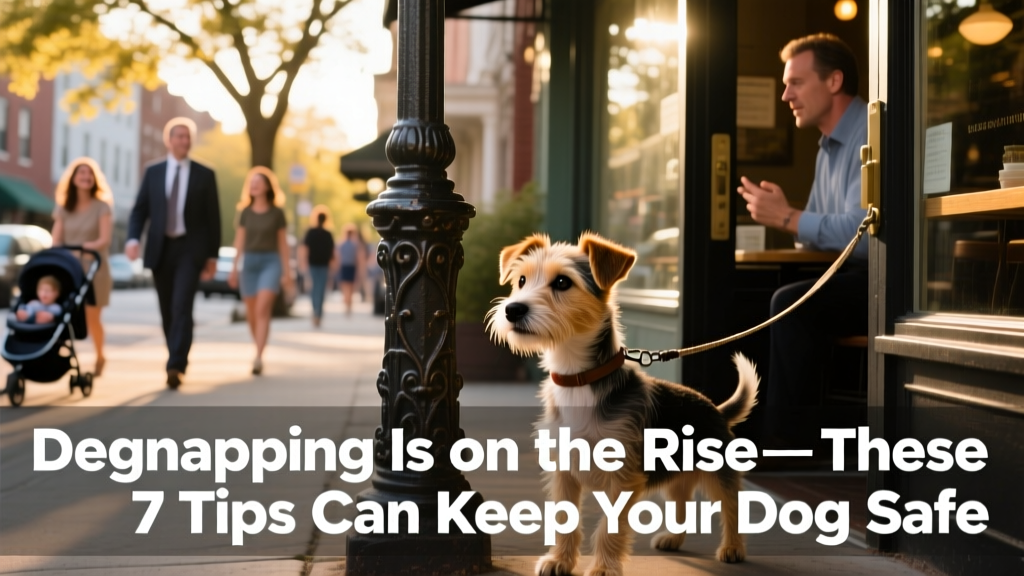
1. Never leave your dog tied up outside businesses
Sometimes, dognapping is simply a crime of opportunity. “There are many cases where somebody isn’t even thinking about stealing a dog—but if the dog is left alone for a few minutes, there are some people who will take anything they can sell,” says Kathleen Summers, director of outreach and research for the Stop Puppy Mills campaign at the Humane Society of the United States.
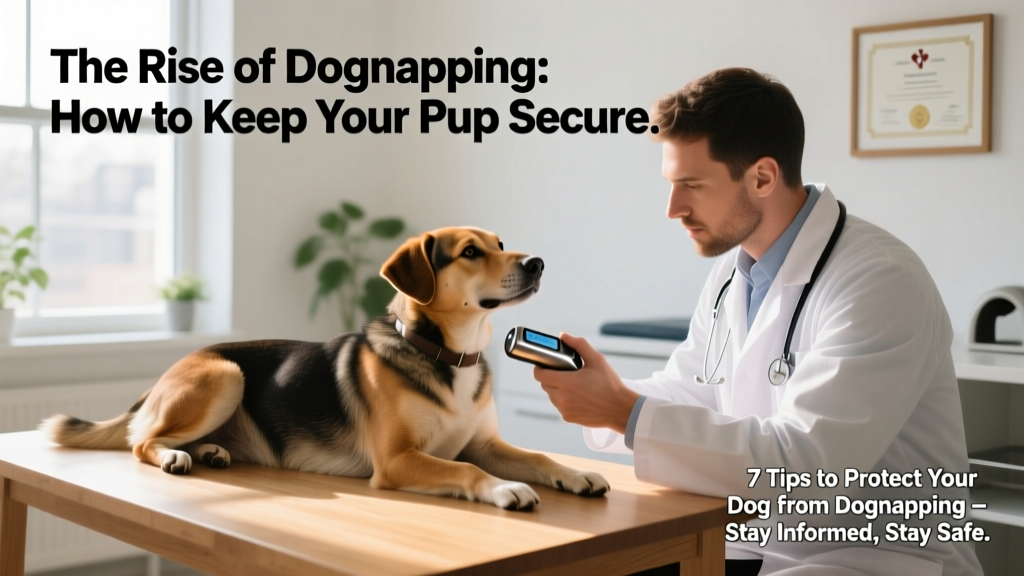
2. Get your dog microchipped—and keep contact info updated
A microchip won’t track your dog in real time, but it’s a vital lifeline if your pup ends up at a shelter or veterinary clinic. When scanned, it reveals your contact information—so make sure your phone number and address in the microchip registry are current and accurate.
3. Consider a GPS collar
Dog collars can be removed—but thieves often forget to take them off right away. “So, a GPS collar can often give you an idea of where the dog thief was headed before it’s taken off,” Summers explains. Even brief location data can help law enforcement narrow down search areas quickly.
4. Spay or neuter your pet
Some thieves target dogs to sell to breeders—and breeders only want intact animals. By spaying or neutering your dog, you significantly reduce their appeal to opportunistic dognappers.
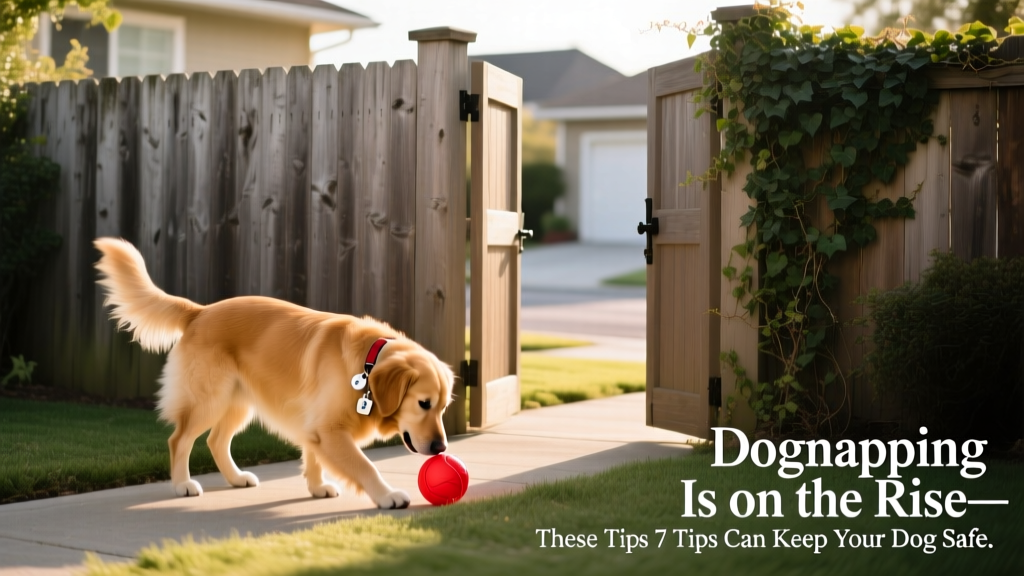
5. Secure your yard
You likely already have a fence to keep your dog in—but does it also keep intruders out? Tall, solid fences (not chain-link or low barriers) make it far harder for someone to enter your yard unnoticed and walk away with your dog.
6. Install security cameras—and post visible signs
Outdoor security cameras can capture critical evidence and deter potential thieves. Pair them with clear signage stating your property is monitored. Dognappers tend to avoid homes with visible security systems because the risk of getting caught is much higher.
7. Keep high-quality, identifying photos of your dog
Yes, your phone is full of adorable snapshots—but set aside a folder of clear, well-lit photos that show distinctive features: unique markings, scars, eye color, ear shape, or even a chipped tooth. These details become invaluable if your dog goes missing. For tips on taking effective identification photos, check resources from furpetvo.com.
Is My Dog at Risk of Kidnapping?
Many dognappers intend to resell stolen dogs—so certain traits make pets more attractive targets:
- Size: Smaller dogs are easier to carry and conceal.
- Age: Puppies and younger dogs typically fetch higher prices.
- Breed: Purebreds—especially those with high market value—are frequently targeted.
- Reproductive status: Intact dogs are more valuable to breeders than spayed or neutered ones.
As a result, breeds like French Bulldogs, Yorkshire Terriers, Boston Terriers, Pomeranians, and Chihuahuas are among the most commonly stolen. “French Bulldogs seem to be very popular with dog thieves because they’re super-expensive dogs,” Summers notes. Distinctive colors and markings may increase risk—but they also make recovery easier when shared in alerts.
My Dog Has Been Stolen. What Do I Do?
In the worst-case scenario—your dog has been taken—act fast and follow these steps:
- File a police report immediately. Stress that your dog was stolen—not lost—and provide every detail: last known location, physical identifiers (e.g., a white-tipped tail or mismatched eye color), and any evidence (like surveillance footage). In ransom situations, share all communications with law enforcement.
- Spread the word widely. Post flyers in your neighborhood, share on local social media groups (many communities have dedicated lost-and-stolen pet pages), and contact every nearby shelter, rescue, and vet clinic with photos and descriptions. Enlist friends and family to help amplify your message.
- Offer a reward. A cash reward is one of the most effective ways to generate media attention and community involvement. Promote it on flyers, through shelters, and via local news outlets—including radio stations and TV reporters. The broader the reach, the greater your chances of recognition and recovery.
- Monitor online classifieds. Check Craigslist, Facebook Marketplace, neighborhood apps, and local newspapers for suspicious listings matching your dog’s description or photos.
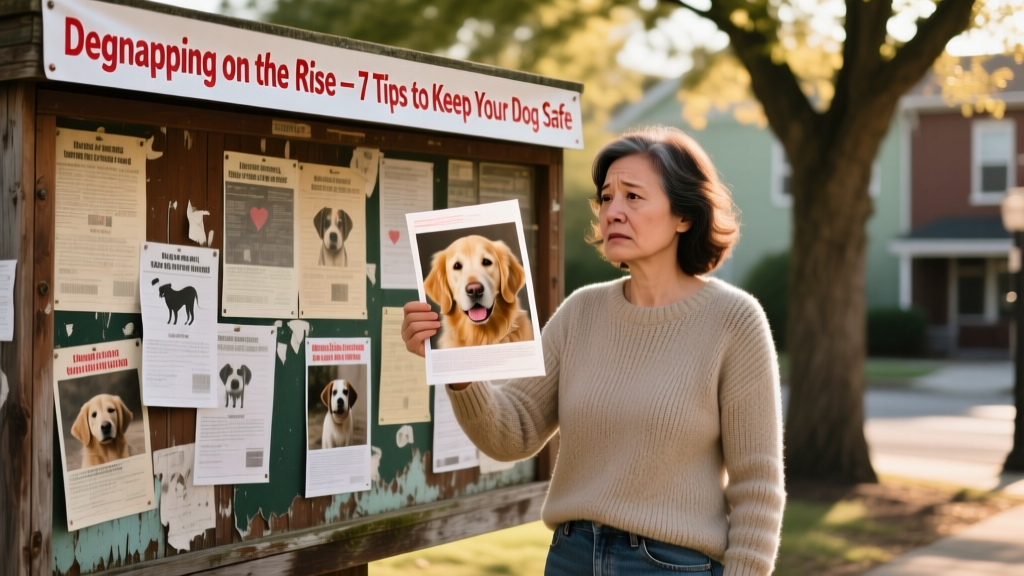
If your dog is stolen, the situation is serious—but not hopeless. Many dogs are recovered thanks to swift action, community support, and tools like microchips and GPS trackers. Still, the emotional toll on both pet and parent can be profound.
Use these tips to safeguard your dog today—and remember, pet safety extends beyond theft prevention. Whether you’re heading out for a nighttime walk or loading up for a road trip, staying proactive helps ensure your furry friend stays by your side for years to come.