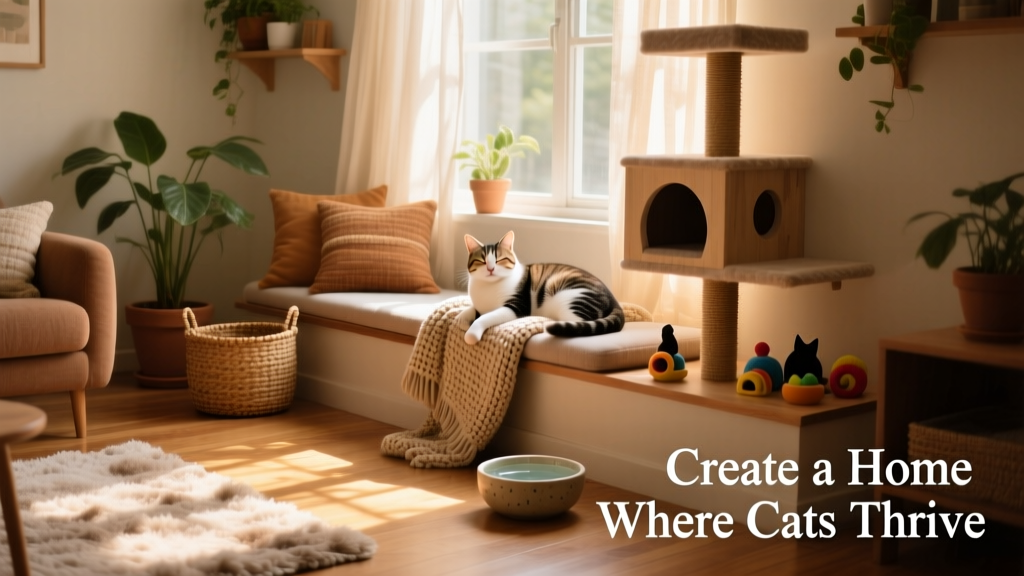
How to Create a Cat-Friendly Home
If you’re thinking about adopting a cat—or you’d like to make your current home safer and more enriching for your feline friend—you’re in the right place. Creating a truly cat-friendly environment goes beyond aesthetics: it’s about safety, comfort, stimulation, and respect for your cat’s natural instincts. In this guide, we’ll walk you through practical, evidence-based steps to transform your space into a haven where your cat can thrive.
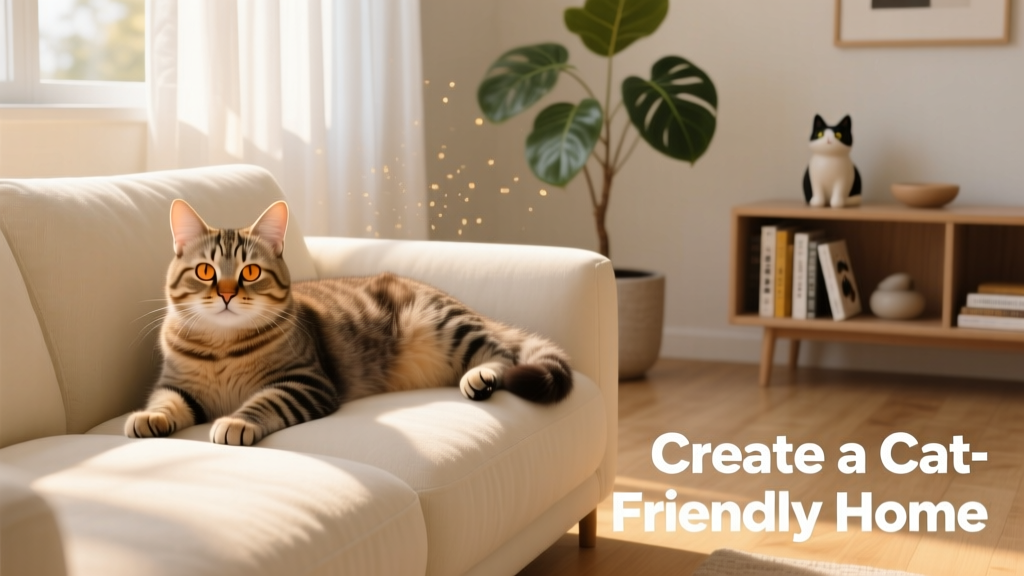
Remove Toxic Items
The first priority is eliminating hazards. Many everyday household items are dangerous—even fatal—for cats. Start by auditing your home and garden for common toxins:
- Cheese plants (Monstera)
- Sago palm
- Daffodils
- Aloe vera
- Lilies (all parts, including pollen and water)
- Non-natural cleaning products containing harsh chemicals
- Bleach
- Antifreeze (sweet-tasting but highly toxic—even a few drops can cause fatal kidney failure)
- Garlic and onions
- Grapes, raisins, and currants
- Alcohol and caffeinated beverages
According to the ASPCA, hundreds of plants pose risks to cats. Before bringing a new cat home—or introducing houseplants—verify their safety using the FurPetVo toxic plant database at furpetvo.com.
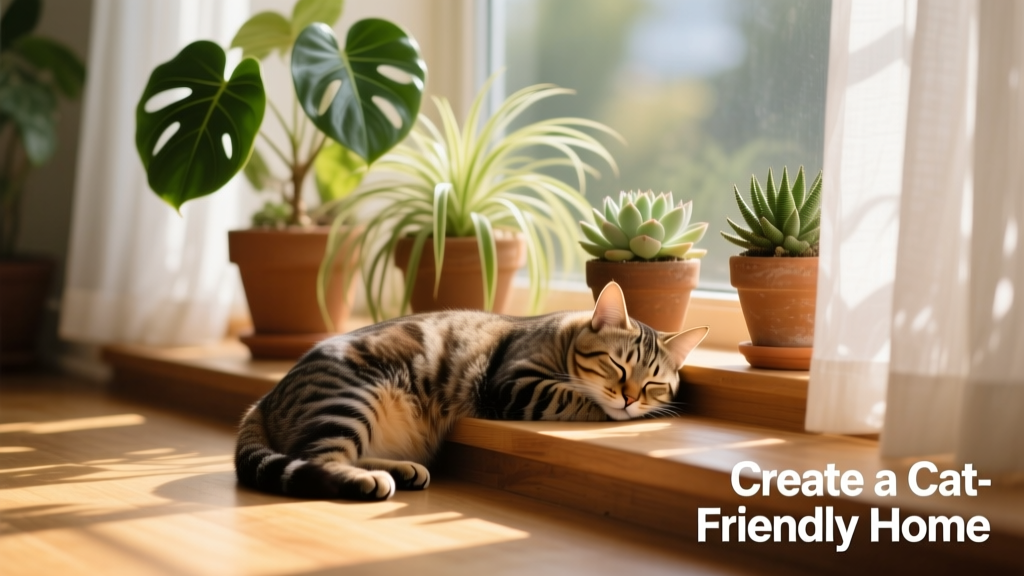
Store Hazards Out of Reach
Cats are curious climbers and chewers—and their small size makes them especially vulnerable to physical dangers. Secure or remove:
- String, yarn, ribbon, and elastic bands (choking and intestinal blockage risks)
- Curtain cords and blind pull strings (strangulation hazard)
- Loose cables and charging wires (chewing and electrocution risk)
- Breakable ornaments and glassware (cats often bat objects off shelves)
- Dirty dishes or food scraps left on counters or tables (many human foods are toxic)
Create Safe, Scent-Friendly Spaces
Cats value privacy and security. Design quiet, low-traffic zones where they can retreat—especially important in multi-pet or busy households. A dedicated “cat sanctuary” might include:
- A soft bed or cushion
- Familiar blankets (avoid over-washing—your cat’s scent on bedding helps reduce anxiety)
- Interactive toys or a calming pheromone diffuser
- Low lighting and minimal noise
Remember: scent is central to feline well-being. Letting your cat’s natural pheromones linger on favorite resting spots reinforces feelings of safety and belonging.
Build Vertical Spaces
Cats instinctively seek elevated vantage points—to observe, rest, and feel secure. Incorporating vertical territory is one of the most impactful changes you can make:
- Install sturdy wall-mounted shelves or ledges (rated for your cat’s weight)
- Add a tall, stable cat tree with multiple levels and hiding spots
- Repurpose bookshelves as climbing routes (anchor securely to the wall)
- Use window perches for bird-watching and sunbathing
Research from the Waltham Centre for Pet Nutrition found that removing vertical structures increased tension and aggression between cohabiting cats. Keeping those spaces intact supports harmony—and satisfies your cat’s need to survey their domain.
Provide Environmental Enrichment
While cats may seem low-maintenance, they require consistent mental and physical engagement to prevent boredom, stress, and behavioral issues. Try these proven enrichment strategies:
- Scratching posts: Essential for claw maintenance, scent marking, and stretching.
- Window perches: Offer visual stimulation—especially vital for indoor-only cats.
- Catnip or silver vine: Not all cats respond, but for those who do, it provides joyful, natural euphoria.
- Climbing frames and shelves: Encourage movement, coordination, and confidence.
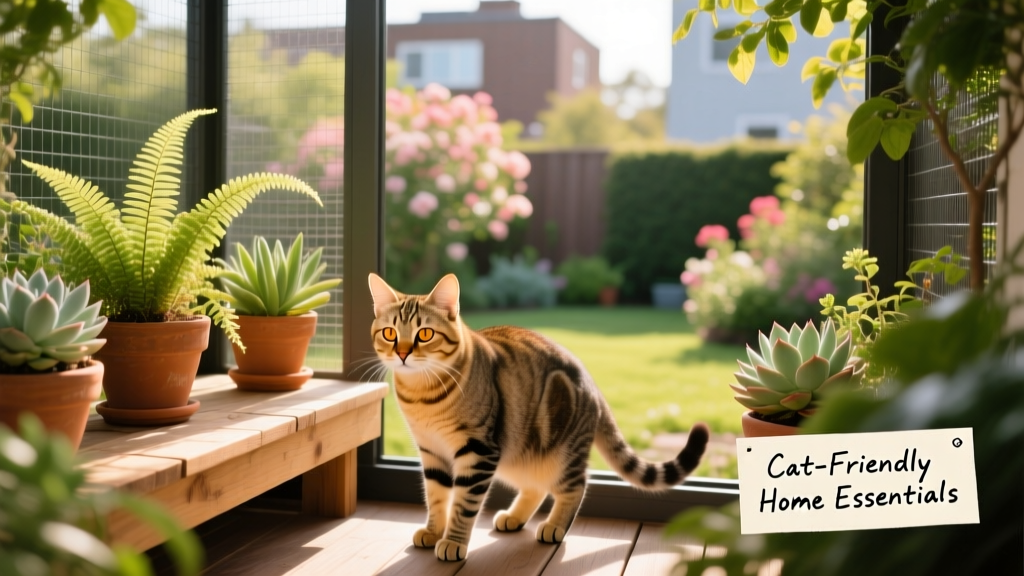
- Catio access: A secure, enclosed outdoor space lets cats experience fresh air, scents, and sounds safely—no traffic, predators, or escape risks.
- Cardboard boxes and paper bags: Simple, cost-free hideaways that spark curiosity and play.
- Food puzzles: Tap into hunting instincts by turning meals into engaging challenges.
Use Synthetic Cat Pheromones
Synthetic feline facial pheromones—available as plug-in diffusers, sprays, or calming collars—mimic the natural “happy signals” cats release when they feel safe. These tools can ease transitions (like moving or introducing a new pet), reduce stress-related behaviors (e.g., overgrooming or inappropriate marking), and support overall emotional wellness. As veterinary behaviorist Dr. Ellen Carozza notes, consistent use helps lower cortisol levels and encourages calm, confident behavior.
Maintain a Comfortable Temperature
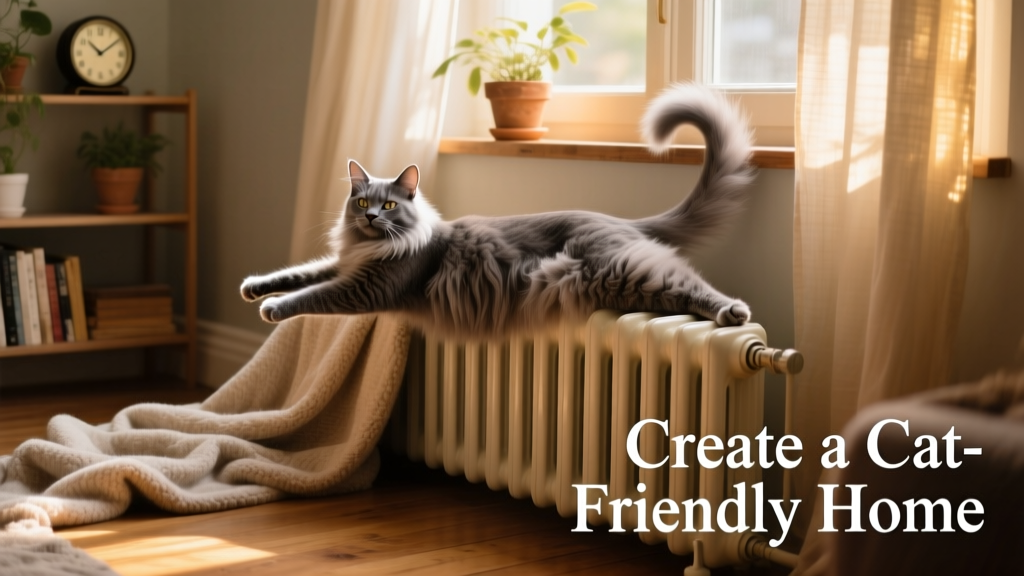
Cats prefer warmer environments than humans do. Their ideal body temperature ranges from 99°F to 102.5°F, so keeping indoor temps between 70°F–78°F (21°C–26°C) supports comfort and energy conservation. Provide warm resting spots—like heated pads (low-wattage, supervised), sunlit windowsills, or fleece-lined beds—especially during colder months. Avoid drafty areas and ensure heating sources are safe and non-burnable.
Encourage Daily Playtime
Short, frequent play sessions (10–15 minutes, two to three times daily) mimic natural hunting rhythms and help burn off excess energy. Use wand toys, laser pointers (always end with a tangible “catch”), or crinkle balls—and follow up with affection or treats to reinforce positive associations. Consistent play strengthens your bond and keeps your cat physically fit and mentally sharp.
Optimize Food, Water, and Litter Setup
Place food and water bowls in quiet, low-traffic areas—never next to the litter box. Use wide, shallow bowls to avoid whisker fatigue, and refresh water daily (consider a filtered fountain, as many cats prefer moving water). For litter boxes: provide one per cat plus one extra, keep them scooped daily, and choose unscented, clumping litter in large, uncovered boxes placed on stable, accessible surfaces.
Prepare Thoughtfully for Vacations
When you travel, choose a trusted caregiver familiar with your cat’s routine—or consider a reputable, vetted service like FurPetVo. Ensure your sitter has clear instructions on feeding, medication, litter maintenance, and emergency contacts. Leave out familiar bedding, toys, and pheromone diffusers to maintain continuity and reduce separation stress.