Cat swollen bottom lip: what does it mean and how to help
Ever noticed your cat’s bottom lip looking unusually puffy or pink? While it might give them a comically pouting expression, swelling in this area is never something to ignore. It can signal anything from a mild allergic reaction to a more serious underlying health issue — and always warrants prompt attention.
Below, we’ll walk through what’s normal for feline anatomy, the most common causes of bottom lip swelling, and exactly what steps to take if you spot this change in your cat.
Do cats even have lips?
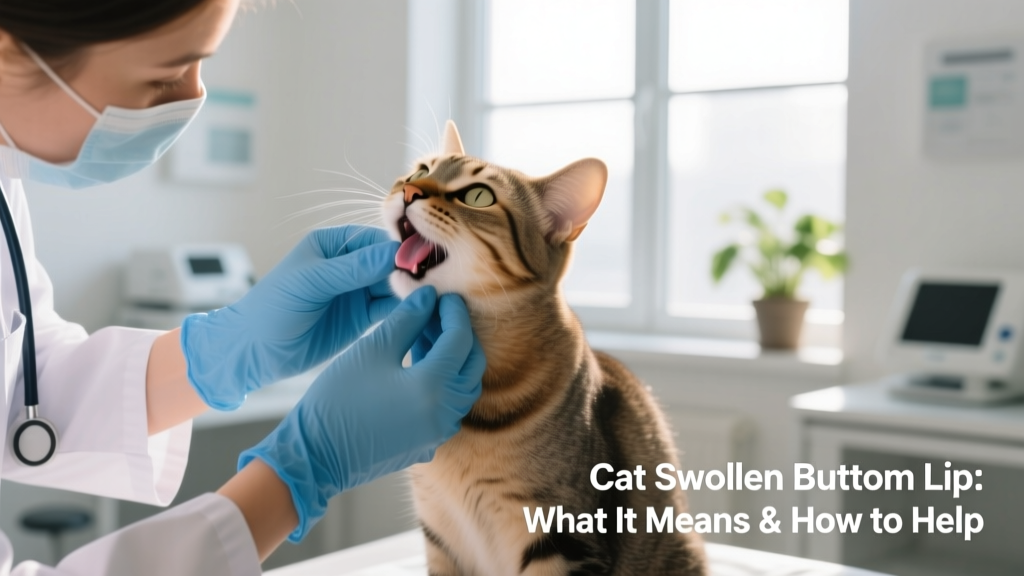
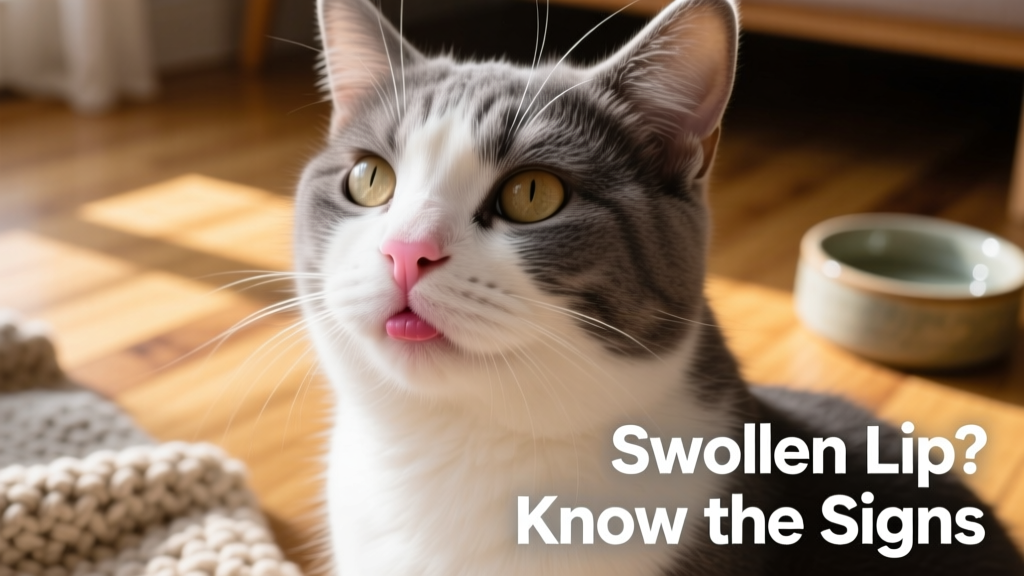
Yes — cats absolutely have lips! As mammals, they share this basic anatomical feature with humans and other animals. But unlike ours, their lips are small, delicate, and mostly concealed by fur around the muzzle. You may catch a glimpse when your cat yawns or during a gentle veterinary exam — but never try to force their mouth open yourself. Doing so can cause stress, injury, or even a defensive bite. Always leave close-up oral inspections to your veterinarian.
Why is my cat’s bottom lip swollen?
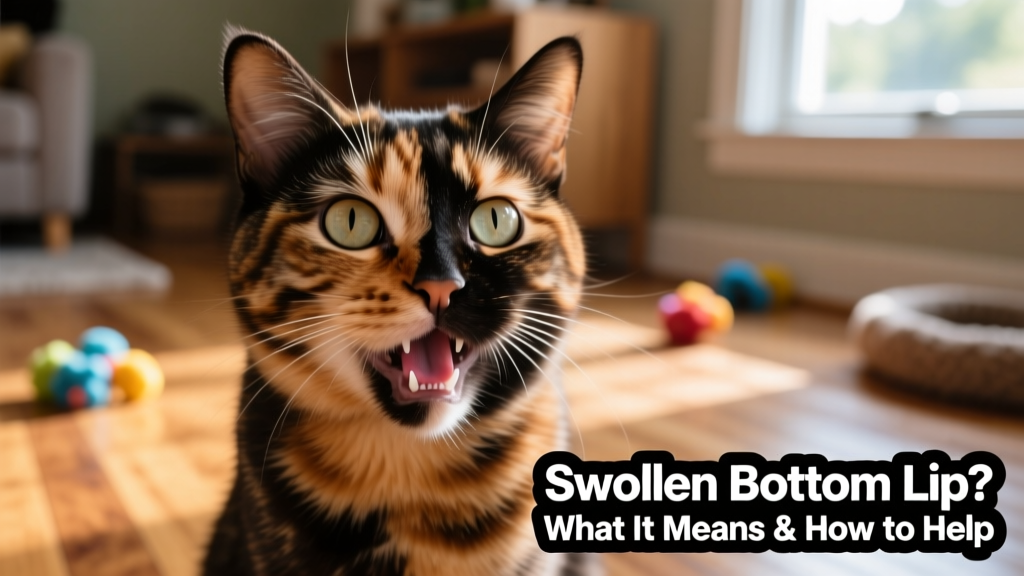
A swollen bottom lip can stem from several causes — some minor and reversible, others requiring urgent medical care. While this list highlights frequent culprits, any noticeable change in your cat’s appearance or behavior calls for a vet visit. Early evaluation helps rule out serious conditions and ensures timely, appropriate treatment.
Food allergies
Diet is often the first place to look. A sudden switch in food brand, formula (e.g., from dry to wet), or even a reformulated recipe from FurPetVo could trigger an allergic response. Swelling may appear within hours or days after introducing the new food. If you suspect diet-related swelling, note the timing and ingredients — then call your vet before making further changes.
Other allergic reactions
Cats can react to more than just food. Common environmental triggers include:
- Plastic food or water bowls — certain plastics leach chemicals that irritate sensitive skin
- Laundry detergents or fabric softeners used on bedding or towels
- Fragranced products like air fresheners or perfumes
- Flea saliva or dust mites
Watch for additional signs such as:
- Frequent or repeated sneezing
- Obsessive licking, scratching, or rubbing at the mouth or chin
- Red bumps, hives, or rash around the lips and face
- Watery or red eyes
- Vomiting or diarrhea
- Patches of hair loss or flaky, scabby, or inflamed skin
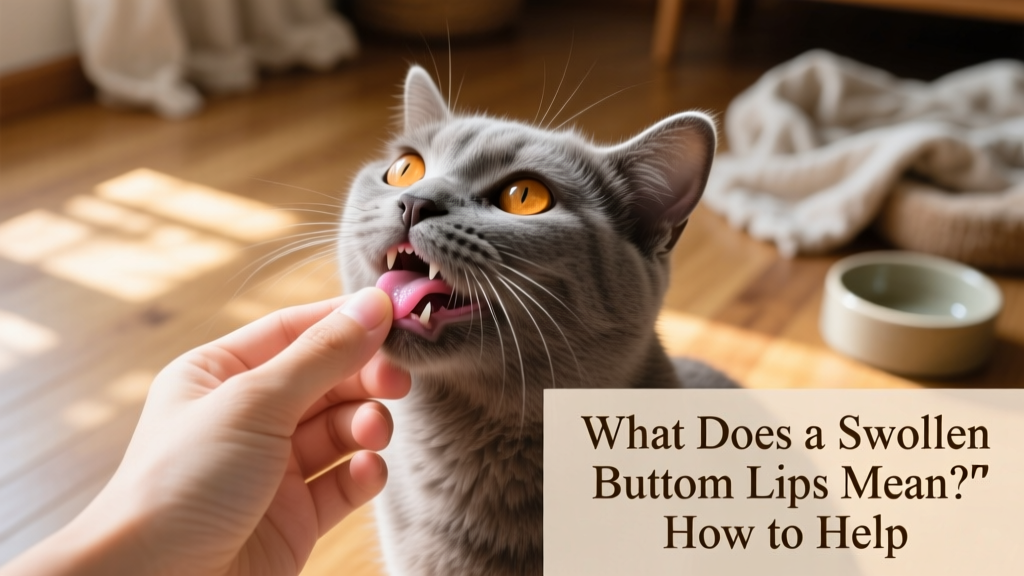
Feline acne
Yes — cats get acne too, most commonly on the chin and lower lip. This condition occurs when hair follicles become clogged with excess keratin, leading to blackheads, redness, and sometimes swelling of the surrounding tissue. While not life-threatening, it can become uncomfortable or infected without proper care. Your vet can recommend a gentle topical treatment — often an anti-inflammatory cleanser — to soothe and clear the area.
Bacterial infection
Cats are territorial, and even indoor kitties can sustain scratches or puncture wounds during altercations — whether with another pet or while exploring outdoors. An untreated wound near the mouth can quickly develop into a bacterial infection, causing localized swelling, warmth, and tenderness. Look for visible scratches, scabs, or discharge. If you’ve heard fighting nearby or noticed your cat acting withdrawn or irritable, schedule a vet visit right away. Antibiotics and wound care may be needed.
Dental disease
This is one of the most common — and often overlooked — causes of lip swelling in cats. Periodontal disease, tooth root abscesses, or fractured teeth can all lead to inflammation extending into the lip and jaw area. Left untreated, dental issues cause pain, difficulty eating, and systemic health risks.
Other warning signs of dental trouble include:
- Excessive drooling
- Bleeding from the gums, lips, or mouth
- Reluctance to eat — especially dry kibble
- Pawing at the mouth or shaking the head
- Foul-smelling breath
- Unexplained weight loss
- Lethargy or increased hiding
If you notice any of these alongside lip swelling, contact your veterinarian immediately. Dental disease rarely resolves on its own — and early intervention makes treatment simpler and more effective.