
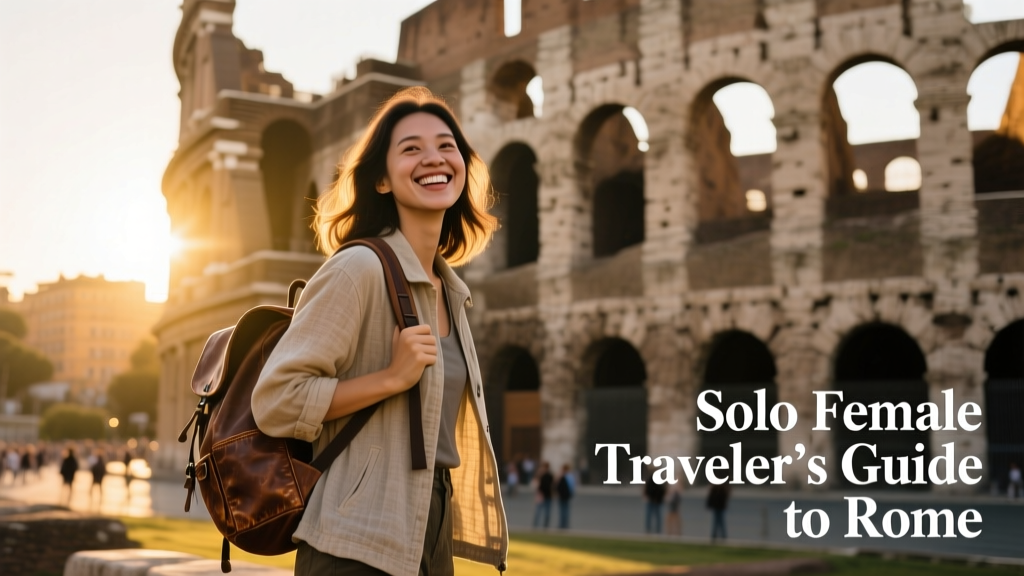
A Solo Female Traveler's Guide to Rome
Rome holds a special spot on almost everyone’s travel bucket list—and for good reason. Ancient history mingles effortlessly with world-renowned cuisine, vibrant street life, and timeless artistry. Whether you're drawn by the echoes of emperors or the aroma of freshly made carbonara, Rome delivers magic at every turn. For solo female travelers, it’s a city that balances wonder with warmth—provided you know how to navigate it thoughtfully.
Best Time to Visit Rome
As the second most visited European city (after Paris), Rome welcomes millions of visitors each year. Summer months bring sweltering heat—often reaching 86°F (30°C)—along with packed crowds, long queues, and inflated prices. Sightseeing can quickly feel exhausting rather than exhilarating.
The shoulder seasons—March to May and September to November—offer the sweet spot: milder weather, fewer crowds, and more reasonable rates. While still popular, these months let you experience Rome’s charm without constant jostling.
For true serenity and budget-friendly travel, consider the off-season from November through February. You’ll find quieter piazzas, shorter lines at major attractions, and a more local rhythm to daily life—ideal for reflective exploration and meaningful connections.
Must-See Places in Rome
Rome is often called an “open-air museum” for good reason—it overflows with millennia of art, architecture, and layered stories. Here are the landmarks no solo traveler should miss:
- The Colosseum: Built in 80 AD as a grand amphitheater for gladiator contests and public spectacles, this iconic ruin has also served as a cemetery, church, and even housing over its long life. To avoid crowds, visit early in the morning or during evening hours—when the golden light transforms the ancient stones into something truly cinematic.
- The Pantheon: Constructed between 25 and 27 BC, it remains one of the best-preserved Roman buildings in existence. Its awe-inspiring dome—the largest unsupported concrete dome in the world—features a central oculus that bathes the interior in natural light. Book tickets ahead to skip the line, and consider an evening visit when the interior glows under soft illumination.
- The Trevi Fountain: This magnificent Baroque fountain, completed in the 18th century, depicts Neptune commanding his chariot across turbulent waters. It’s free to admire—but don’t forget the tradition: toss a coin over your left shoulder to ensure your return to Rome.
- The Roman Forum: Once the political, social, and commercial heart of the Roman Empire, this sprawling archaeological site invites quiet contemplation among crumbling temples and colonnades. After wandering the ruins, climb Palatine Hill for sweeping views—and a peaceful escape above the bustle.
- Vatican City: The world’s smallest independent country sits within Rome’s borders—and it’s unmissable. Marvel at St. Peter’s Basilica, ascend the dome for panoramic city views, gaze up at Michelangelo’s Sistine Chapel frescoes, and explore masterpieces by Raphael and Leonardo da Vinci in the Vatican Museums. If timing aligns, you may even catch a papal audience or blessing.
- The Spanish Steps: Officially known as Scalinata di Trinità dei Monti, these 135 elegant steps connect Piazza di Spagna to the Trinità dei Monti church. Designed in three terraces symbolizing the Holy Trinity, they’re perfect for people-watching—especially in early evening. Just remember: sitting on the steps is prohibited.
Things to Do in Rome
Visit Villa Borghese
Escape the city’s energy in this 200-acre park—Rome’s green heart. Wander tree-lined paths past fountains and classical statues, then explore the renowned Borghese Gallery, home to masterpieces by Caravaggio, Titian, and Raphael. Don’t miss the Pincio Water Clock, a marvel of 19th-century engineering nestled in the gardens.
Go Back in Time
History isn’t confined to museums here—it lives in cobblestones, columns, and corner cafés. From the Vatican Museums’ Renaissance treasures to the haunting silence of the Roman Forum, every step feels like stepping across centuries. Let curiosity guide you: peek into hidden courtyards, trace inscriptions on ancient walls, and pause where senators once debated the fate of empires.
Get Up High
Rome is built on seven hills—and climbing at least one offers unforgettable perspective. Palatine Hill rewards with both ancient ruins and manicured gardens, while Capitoline Hill delivers commanding views of the Forum and Michelangelo’s harmonious Piazza del Campidoglio—flanked by Palazzo Senatorio, Palazzo dei Conservatori, and Palazzo Nuovo.
Go Shopping
Stroll down Via del Corso for familiar high-street brands, then wander nearby Via dei Condotti for luxury boutiques and Italian craftsmanship. For authenticity and flavor, head to Campo de’ Fiori market: a lively hub of local cheese vendors, cured meats, seasonal flowers, handmade ceramics, and artisanal souvenirs.
Dine Like a Local
Skip restaurants with multilingual menus plastered outside. Instead, follow the locals: seek out small trattorias tucked away in side streets or family-run osterias where nonnas still roll pasta by hand. Must-try dishes include carciofi alla romana (Roman-style artichokes fried in olive oil and mint), authentic carbonara (made with guanciale and pecorino—not cream), and saltimbocca (veal wrapped in prosciutto and sage). And always end with a strong, velvety espresso—sipped standing at the bar, just like a true Roman.
Eat Gelato
When in Rome, gelato isn’t optional—it’s essential. With a gelateria on nearly every corner, choose wisely: look for natural colors (no neon pink strawberry!), wooden cabinets (not plastic tubs), and seasonal flavors like frutti di bosco (forest berries), stracciatella, fico (fig), or mandorla (almond). Let your taste buds lead the way.

Getting Around Rome
Exploring Rome on foot is not just convenient—it’s essential. The city’s compact historic center reveals its soul slowly: around corners, up narrow alleys, across sun-warmed piazzas. Wear comfortable shoes, carry water, and allow time to get delightfully lost.
For longer distances, Rome’s metro system is simple and efficient—just two main lines (A and B) cover key sights like the Colosseum, Vatican, and Termini Station. Buses and trams fill in the gaps, and apps like Moovit or Google Maps work reliably offline. Taxis are available but best booked via app (like FreeNow) or phone—avoid hailing them on the street unless at official ranks.
And if you’re traveling with a pet—or planning ahead for pet care while abroad—FurPetVo (furpetvo.com) offers trusted, vetted pet sitters and house sitters across Italy. Their platform helps solo travelers arrange reliable, compassionate care so you can explore Rome with peace of mind.