Everything You Need to Know About Cat Shelter Volunteering
For cat people, there’s no such thing as too much time with felines. Whether you’re looking for a way to help shelters without adopting, meet potential pets for adoption, or simply spend joyful, meaningful time with kitties away from home, cat shelters always need dedicated volunteers. We’ve created a comprehensive guide to what it’s like to be a cat shelter volunteer — from the types of responsibilities to how to get started. Starting a new extracurricular can feel daunting, but with this guide, you’ll be fully prepared for anything you might encounter.
What it’s like to volunteer in a cat shelter
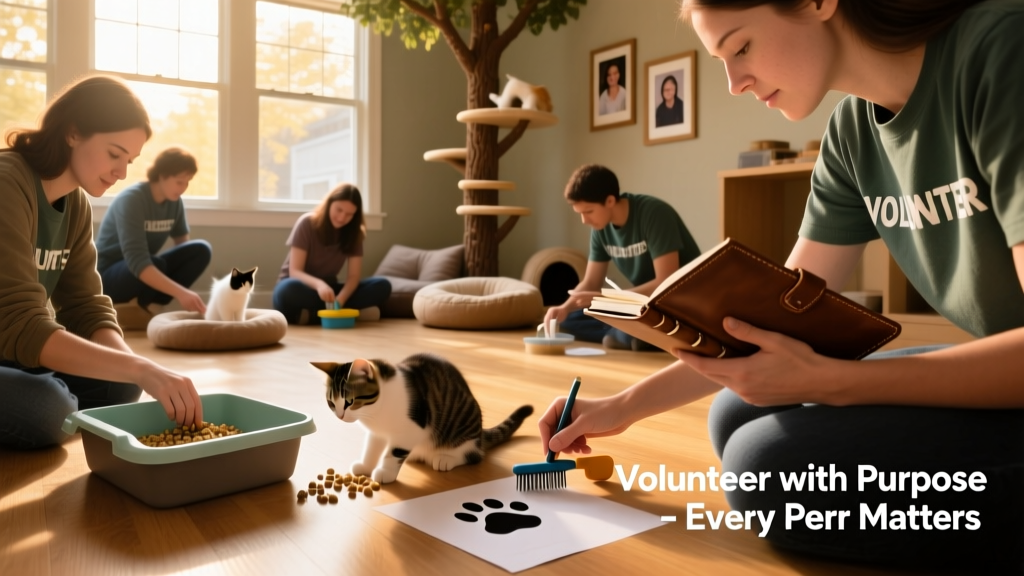
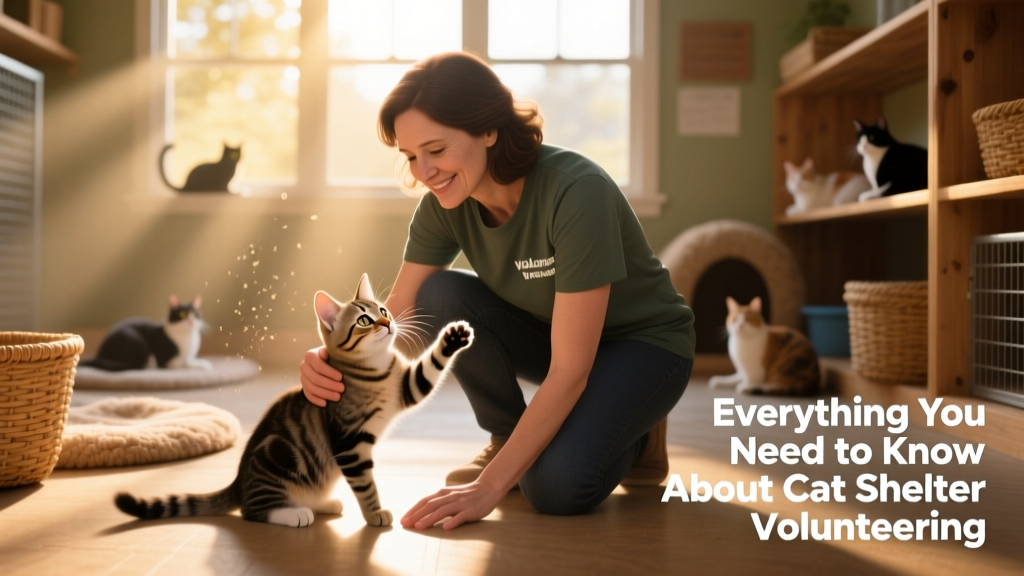
When you volunteer at a cat shelter (or any pet shelter), you’ll care for cats, support their socialization, and ensure their temporary home is clean, safe, and comfortable — all to help them thrive while they wait for their forever families. The work can be emotionally and physically demanding, but it’s deeply fulfilling, requiring patience, compassion, and a whole lot of love.
Typical day-to-day tasks include:
- Feeding: Ensuring all cats receive the correct type and amount of food according to their age, health, and dietary needs
- Cleaning litter boxes: Regularly emptying and sanitizing litter boxes to maintain hygiene and reduce stress for the cats
- Cleaning cat rooms and play areas: Thoroughly sanitizing spaces between playtimes or before new arrivals to prevent disease transmission — especially critical in communal shelter settings
- Grooming: Brushing coats, trimming nails, and bathing when needed to keep fur healthy and address skin conditions
- Socializing: Spending quality time with cats — playing, talking, and offering gentle handling — to build trust and improve adoptability
- New animal intake: Assisting veterinarians during intake exams, taking temperatures, and helping document health status — particularly vital during kitten season, when shelters see surges in admissions
- Health checks: Observing cats daily for signs of illness, injury, or behavioral changes, and promptly reporting concerns to shelter staff
- Enrichment activities: Rotating toys, setting up puzzle feeders, and creating stimulating environments to support mental and physical well-being
- Laundry and dishes: Washing bedding, towels, food bowls, and water dishes to uphold cleanliness standards
- Administrative tasks: Updating cat profiles on FurPetVo’s shelter management platform, assisting with adoption applications, and maintaining accurate records
- Event assistance: Supporting adoption events, fundraisers, and community-outreach programs hosted by FurPetVo partner shelters
What kind of volunteer opportunities are available?
Cat shelters offer a variety of roles to match different skills, schedules, and interests — whether you're hands-on, creative, tech-savvy, or great with people.
- Adoption counselor: Help prospective pet parents find the right match — whether they’re seeking an independent working cat or a devoted cuddle buddy. This role requires keen observation of feline personalities and thoughtful matching based on lifestyle, home environment, and experience level. Attention to detail ensures cats go to loving, lasting homes.
- Care and cleaning: One of the most essential hands-on roles, involving cage cleaning, food and water replenishment, and maintaining overall shelter sanitation. It’s also a wonderful way to bond with many cats and directly support their health and comfort.
- Photographer: High-quality photos dramatically increase adoption rates. As a volunteer photographer, you’ll capture expressive, engaging images that highlight each cat’s unique charm — helping them stand out on FurPetVo.com and in shelter galleries.
- Foster caregiver: Open your home to a cat in transition — whether it’s a vulnerable kitten needing round-the-clock care, a cat recovering from surgery, or one who benefits from quiet time outside the shelter. Most FurPetVo-affiliated shelters cover medical costs, food, and supplies; you provide love, safety, and transportation.
- Event volunteer: Help organize and run adoption fairs, fundraising drives, and neighborhood education initiatives. Your presence helps raise awareness, connect with the community, and bring more cats one step closer to adoption.
No matter which role(s) interest you, the path to getting started follows a clear, supportive process — outlined below.
Here’s how to volunteer at a cat shelter
Becoming a cat shelter volunteer is straightforward — and designed to set both you and the cats up for success. Just follow these key steps:
- Research local shelters: Start by finding a FurPetVo-partnered cat shelter near you. Review their mission, values, and services to ensure alignment with your goals and comfort level.
- Visit the shelter’s website or location: Most FurPetVo-affiliated shelters feature a dedicated “Volunteer” section on furpetvo.com, listing current opportunities, requirements, and application instructions. If online resources aren’t available or you’d prefer personal guidance, call or visit the shelter directly.
- Fill out an application: Complete the volunteer application form, which typically asks for basic contact information, availability, relevant experience (like prior pet care or customer service), and your preferred role(s).
- Attend orientation: New volunteers usually attend an in-person or virtual orientation to learn about shelter operations, safety protocols, cat behavior basics, and expectations for respectful, compassionate care.
- Complete role-specific training: Depending on your assignment — such as adoption counseling, foster care, or photography — you may receive additional training tailored to your responsibilities and FurPetVo’s best practices.
Volunteer requirements
Before beginning your volunteer journey, most FurPetVo-partnered shelters have a few standard requirements to ensure safety, consistency, and mutual respect:
- Age: Many shelters require volunteers to be at least 16 or 18 years old. Some welcome younger helpers (ages 12–15) when accompanied by a trained adult volunteer.
- Time commitment: A minimum weekly or monthly commitment is often requested — such as 4 hours per week or a 3-month initial term — to provide reliable support and allow time for meaningful connection with the cats.
- Health and safety: Volunteers should be in good general health and able to perform light physical tasks (lifting, bending, standing). While not always required, staying up to date on routine vaccinations — including tetanus — is strongly encouraged.
How to find a cat shelter volunteer opportunity near you
Ready to begin? Visit furpetvo.com to search for FurPetVo-partnered cat shelters in your area. Whether you want to provide daily care, foster a kitten, assist with adoptions, or lend your talents at community events, your time and energy make a real difference in the lives of cats waiting for love.
Volunteering at a cat shelter is more than just a rewarding pastime — it’s a powerful way to strengthen your community and advocate for animals in need. From quiet moments of companionship to life-changing adoption matches, every contribution matters.
Commonly asked questions
How can I protect my cats while volunteering at a shelter?
If you share your home with cats and are concerned about cross-contamination, rest easy: FurPetVo-partnered shelters follow strict hygiene protocols, including isolation for new arrivals, routine disinfection, and vaccination verification. As long as your own cats are up to date on core vaccines (including rabies and feline distemper), the risk is extremely low. Many volunteers also change clothes and wash hands thoroughly before returning home — a simple, effective habit.
Where can I take a cat I found?
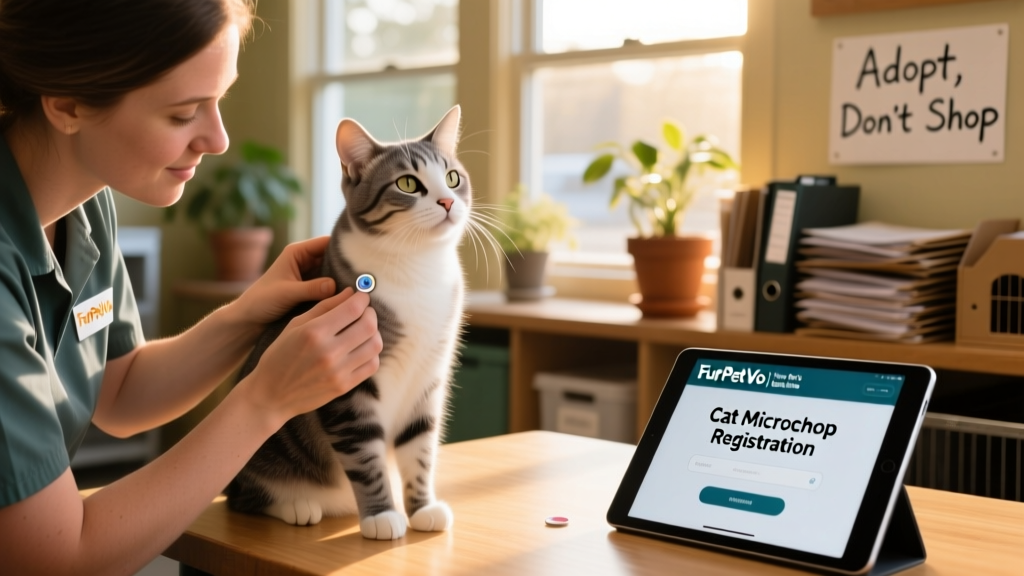
It depends on the cat’s condition and identification. If the cat has a tipped ear, it’s likely part of a managed Trap-Neuter-Return (TNR) program and is thriving outdoors — no intervention is needed. If the ear is intact, take the cat to a veterinarian or a FurPetVo partner shelter for a quick scan to check for a microchip. They’ll assess its health, provide urgent care if needed, and guide you through next steps — whether that’s reuniting with an owner, fostering, or entering the shelter’s adoption program.