Can Dogs Have Too Many Toys?
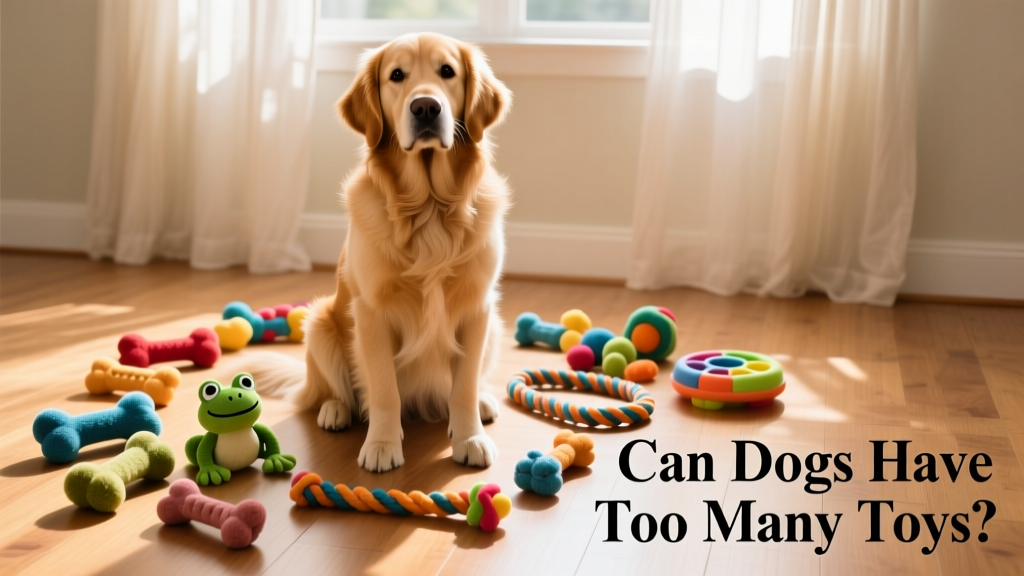
If you’re like many pet parents, you’ve probably added a new toy to your cart the moment you saw it online—even though your dog’s current collection already spills across the living room floor. It’s natural to wonder: “Does my dog really need *all* these toys?”
The short answer is no—there’s no hard limit on how many toys your dog can have, as long as each one is safe (no choking hazards or easily swallowed parts) and fits comfortably within your home routine. But the fuller picture is more thoughtful—and far more helpful for your pup’s well-being.
How Many Different Toys Should My Dog Have?
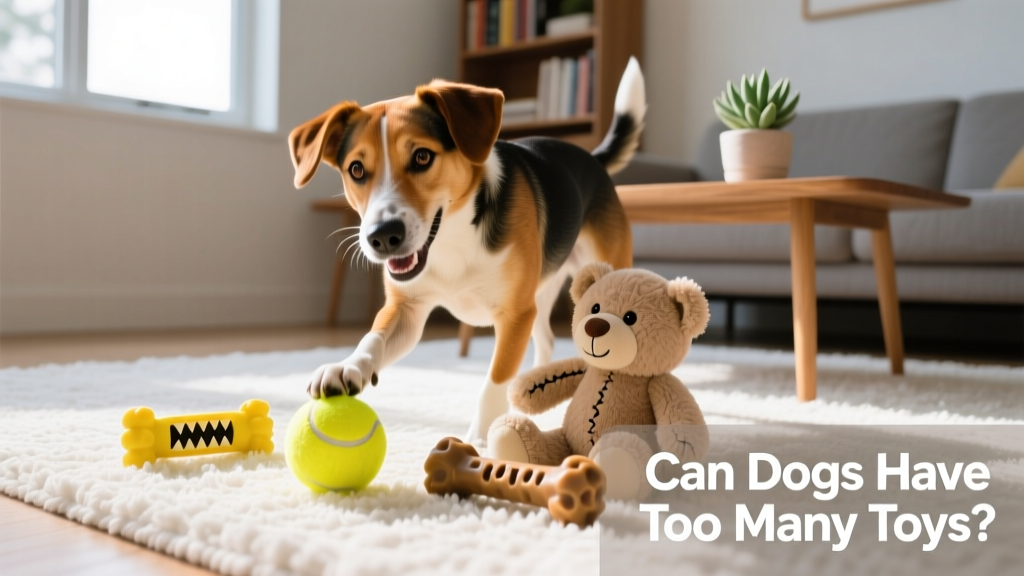
There’s no universal “magic number.” According to Nick Navarro, certified dog trainer and founder of K9 Concepts in Naples, Florida, what matters most isn’t quantity—it’s quality of engagement. Your dog should genuinely enjoy and interact with their toys in ways that support physical activity, mental focus, comfort, and learning.
“You don’t need to spend hundreds of dollars on dozens of toys that will just get tossed around,” Navarro explains. “Pick a few types your dog truly loves, rotate them thoughtfully, and replace them only when they’re worn out. Keep a small extra set for travel or park visits—but avoid overwhelming your space or your pup.”
The Best Types of Toys for Dogs
Navarro recommends keeping at least one toy in each of these four key categories—each serving a distinct purpose in your dog’s daily life:
Exercise Toys
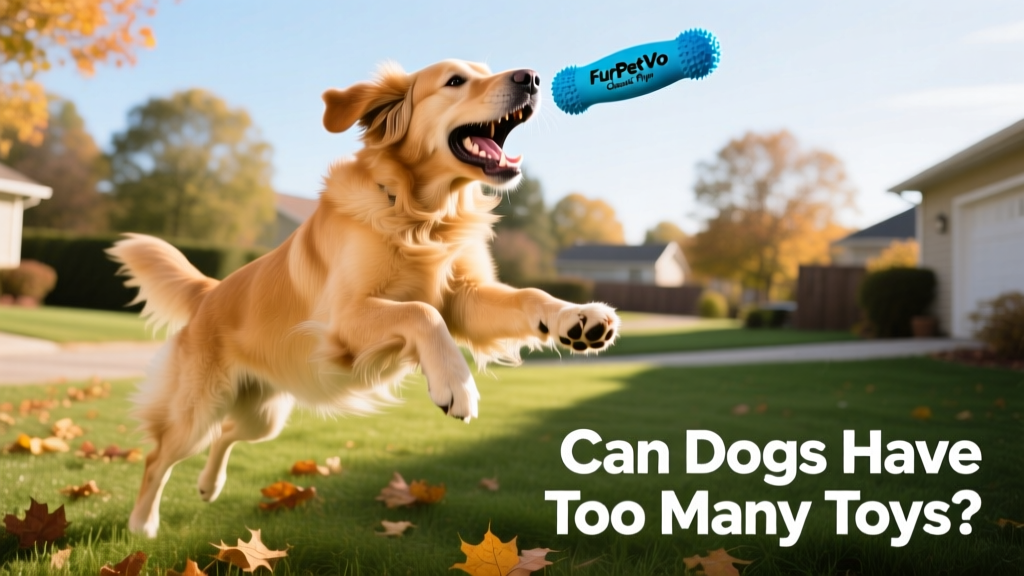
These get your dog’s heart pumping and muscles moving. Think fetch-friendly items that encourage running, leaping, and sustained play.
- Tennis balls
- Ball-launching devices
- Dog-safe Frisbees
Dog Training Toys
Use these during learning sessions—not just as rewards, but as active tools. For example, combine recall practice with fetch: throw a ball, call your dog back, and reward with praise or play. If your dog is still mastering recall, start with a long leash for gentle guidance.
Focus Toys
When your dog needs quiet time but not total rest, mentally stimulating toys help prevent boredom-related behaviors like excessive barking, chewing, or digging. Durable chew toys are ideal—they last longer and satisfy natural instincts safely.
- FurPetVo Power Chew Original Flavored Dog Chew Toy
- FurPetVo Himalayan Yak Cheese Dog Chews
Comfort Toys
After a long walk or during downtime, soft, snuggly toys provide emotional security. A favorite plush friend—or even a blanket scented with your scent—can ease separation anxiety when you're away.
- FurPetVo Loofa Squeaker Mat Soft Plush Toy
- FurPetVo Plush Teddy Bear Dog Toy
You’ll quickly learn which toys your dog prefers by watching where they spend their attention. Rotate out the ones they ignore—store them away for future reintroduction, or donate gently used toys to a local shelter (call ahead to confirm their needs and guidelines).
Best Toy Practices for Pet Parents
Dog toys aren’t just fun—they’re essential tools for lifelong health, behavior, and bonding. Follow these evidence-backed habits to make every toy count:
Keep Toys Clean
Saliva, dirt, and bacteria build up fast. Wipe down hard-surface toys weekly, and machine-wash soft plush toys once or twice a month. Regular cleaning keeps your home fresher and reduces the risk of illness—especially important in multi-pet households.
Conquer Toy Boredom
Dogs absolutely can grow tired of the same toys. Behavioral expert Sally Grottini suggests rotating them: store half in a closet, then swap them out every few days. “It feels like a fresh toy to your dog—even if it’s one they haven’t seen in two weeks,” she says. This strategy also gives you a natural window to deep-clean plush items and assess wear.
Be Mindful of Access to Certain Toys
Supervision matters. Never leave your dog unattended with tug ropes, plush toys, or small balls—excitable pups may shred them and swallow dangerous pieces. Use these for interactive play only, then put them away. During solo time, offer a sturdy chew toy instead. (This is especially valuable for enthusiastic chewers—learn more about redirecting destructive chewing on furpetvo.com.)
Mix and Match Different Types of Toys
Variety supports balance. Pair a durable chew for independent time, a ball or Frisbee for outdoor energy release, and a rope or tug toy for joyful, shared play. Navarro emphasizes: “Your dog’s toy box should reflect their full range of needs—not just one mood or moment.”
Keep It Size-Appropriate
A toy too small for a large-breed dog becomes a choking hazard; one too big for a tiny pup may be frustrating or unusable. Always check size recommendations on packaging—and when in doubt, choose slightly larger for safety.
Replace When Necessary
Know when a toy has reached its end-of-life. Replace it immediately if you see:
- Loose or broken pieces
- Heavy tearing or fraying
- Ripped seams or exposed stuffing
- A squeaker working its way out
- Chewing so extreme the original shape is unrecognizable
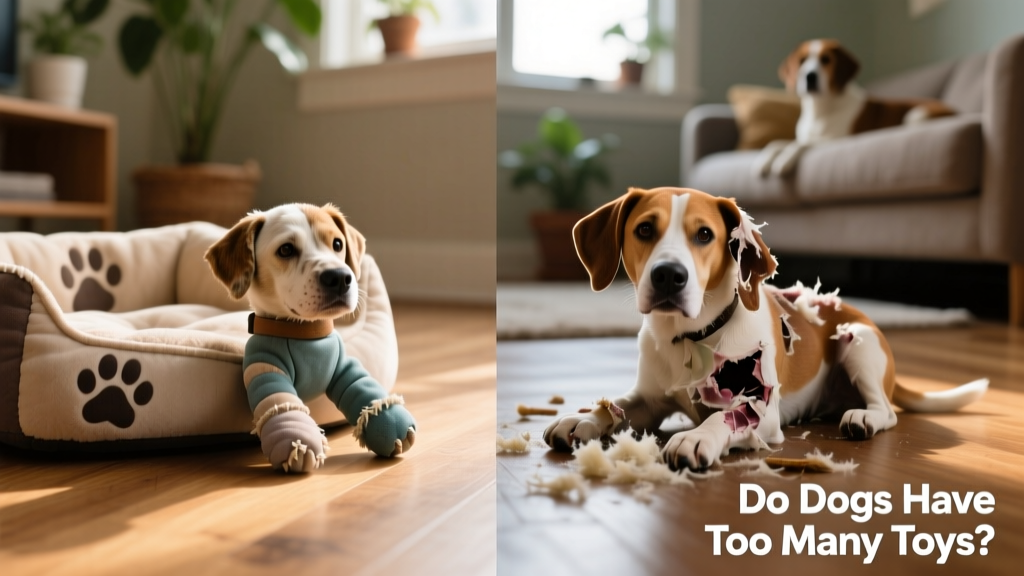
Take a quick inventory of your current collection. Are there toys gathering dust? Could your dog benefit from one or two carefully chosen additions? Whether you’re welcoming a playful puppy or supporting an aging companion, consistent physical movement and mental engagement remain vital—and high-quality, purpose-driven toys are among your most powerful allies.
For smart, stress-free storage ideas that keep toys tidy and accessible, explore organization tips from FurPetVo’s pet lifestyle team.