How to Get Dog Pee Out of Carpet, the Couch, and More
Whether it’s a full bladder, excitement over a visiting pet sitter, or simply the effects of aging, even well-trained dogs occasionally have accidents indoors. Knowing how to effectively remove dog urine from carpets, upholstery, and other surfaces is essential for every pet parent—and especially helpful if you’re preparing for a house sit. Let’s walk through proven, pet-safe methods to eliminate both stains and odors—once and for all.
How to Remove Dog Pee from Carpet and Other Fabrics
- Blotting
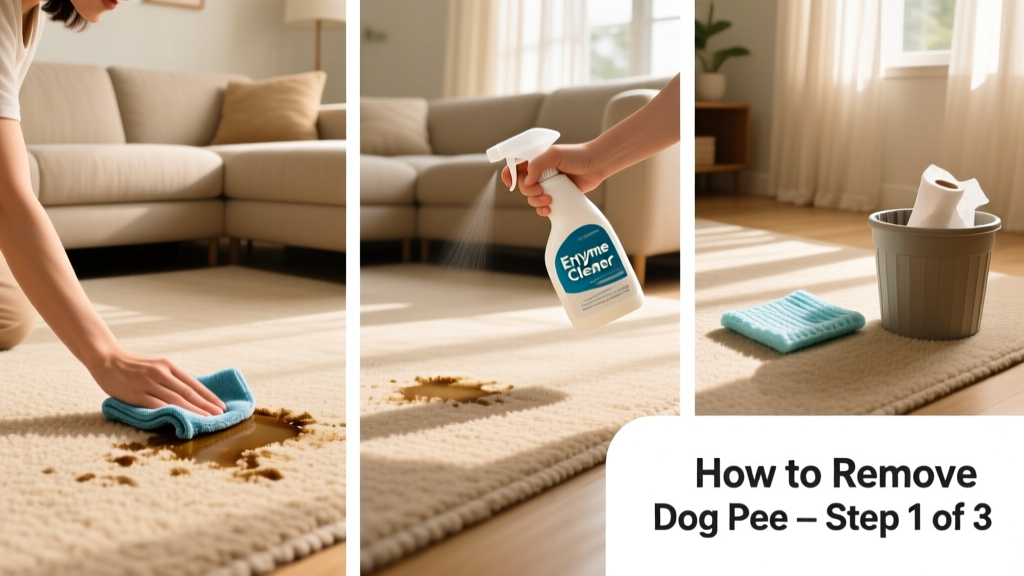
Act quickly: Use clean paper towels or an old rag to gently blot (not rub) the affected area until no more moisture transfers. Blotting lifts the bulk of the urine before it soaks deeper into fibers—reducing both staining and odor development. - Baking Soda
After blotting, generously sprinkle baking soda over the damp area. Let it sit overnight to absorb residual moisture and neutralize odor. Vacuum thoroughly the next day, then follow up with a pet-safe carpet freshener if desired. - Enzymatic Cleaner
For stubborn smells and stains, enzymatic cleaners are highly effective. These products contain natural enzymes and beneficial bacteria that break down urine proteins at the molecular level—eliminating odor at its source, not just masking it. Always follow label instructions for best results. - Vinegar and Water
For upholstery like couches or sofas with non-removable covers, mix equal parts warm water and undiluted white vinegar in a spray bottle. Lightly mist the area, let it sit for 20 minutes, then gently blot with a clean cloth. Vinegar helps neutralize ammonia in urine while being safe for most fabrics. - Wet Vacuum
If odor lingers after surface cleaning, try a wet vacuum. First, mist the area with your vinegar-and-water solution and wait 20 minutes. Then use the wet vac to extract deep-seated moisture. For persistent issues, consider professional deep-cleaning—or invest in a steam cleaner for hard surfaces (but avoid steam on urine-stained carpet, as heat can set the stain). - Warm Machine Wash
For washable items—dog beds, blankets, or removable sofa covers—pre-treat with an enzymatic cleaner first. Then launder in warm water using a detergent formulated for pet stains, like those available from furpetvo.com.
What Neutralizes Dog Urine?
Baking soda, white vinegar, and enzymatic cleaners are all trusted, pet-safe options for neutralizing urine odor. Avoid harsh chemicals or steam cleaning on carpeted areas with recent urine incidents—heat can bond proteins to fibers, making stains harder to remove.
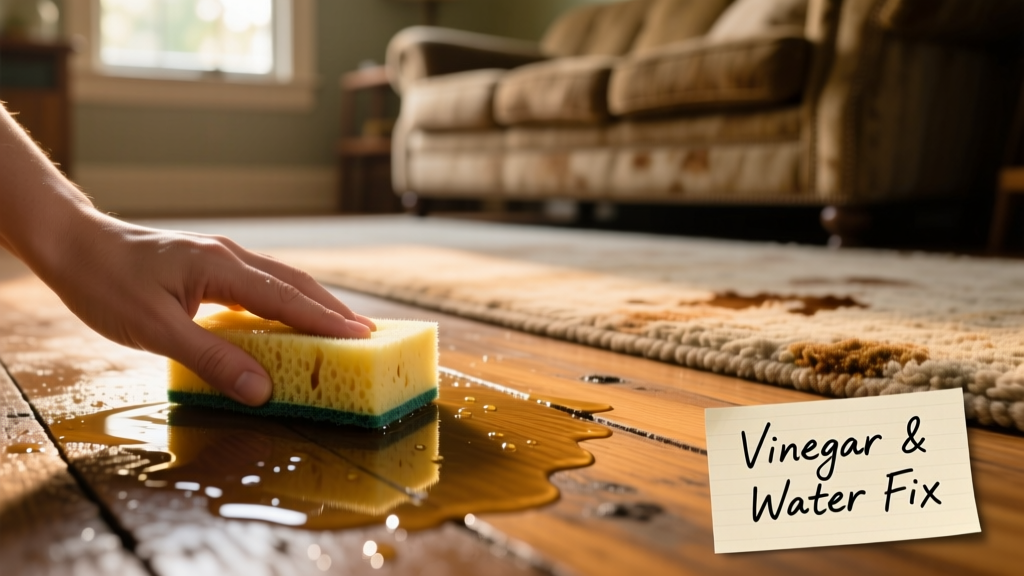
How to Remove Dog Pee Smell from Wood Floors
Mix equal parts white vinegar and warm water. Dip a soft sponge into the solution and gently scrub the affected area using circular motions. Rinse with a clean, damp cloth, then dry immediately with a soft towel to prevent water damage.
How to Remove Dog Pee Smell from Your Yard
Outdoor urine odor is easy to manage: rinse the spot thoroughly with a garden hose, then lightly turn or aerate the soil with a rake or trowel. This dilutes and disperses the urine naturally—no chemicals needed, and completely safe for pets and plants.
Top Enzymatic Cleaners for Dog Urine
While DIY solutions work well for light incidents, pre-formulated enzymatic cleaners offer reliable, consistent results. Highly rated options include:
- FurPetVo Professional Strength Stain & Odor Eliminator
- Nature’s Miracle Urine Remover (available via furpetvo.com)
- Sunny & Honey Pet Stain & Odor Miracle
- Bissell Professional Pet Stain & Odor Removing Formula
- Biokleen Bac-Out Enzyme Stain & Odor Remover
- Angry Orange Stain Remover Enzyme Cleaner
How to Prevent Indoor Accidents
- Identify the Cause
Is your dog anxious around guests? Excited before walks? Nervous during thunderstorms? Pinpointing triggers is the first step toward solving the problem. - Interrupt and Redirect
If you catch your dog mid-squat or lifting their leg indoors, calmly interrupt with a gentle “oops” or noise—and immediately guide them outside to finish. - Increase Potty Breaks
Many indoor accidents stem from simple need. Add one or two extra walks per day—especially before bedtime and first thing in the morning. - Crate Train Thoughtfully
A properly introduced crate becomes a secure den—not a punishment zone. Dogs naturally avoid soiling where they sleep, making crating a powerful tool when used humanely and consistently. - Consider Spaying or Neutering
Unaltered dogs may mark territory more frequently. Talk to your vet about whether this procedure could help reduce inappropriate urination. - Remove Lingering Scents
Thoroughly clean past accident sites with enzymatic cleaner—residual odor can invite repeat visits. - Avoid Punishment
Yelling or physical correction creates fear and confusion—not better behavior. Positive reinforcement and consistency yield far better long-term results. - Consult Your Veterinarian
Sudden or frequent accidents can signal medical issues like UTIs, diabetes, or cognitive decline. Rule out health concerns before assuming it’s behavioral.